
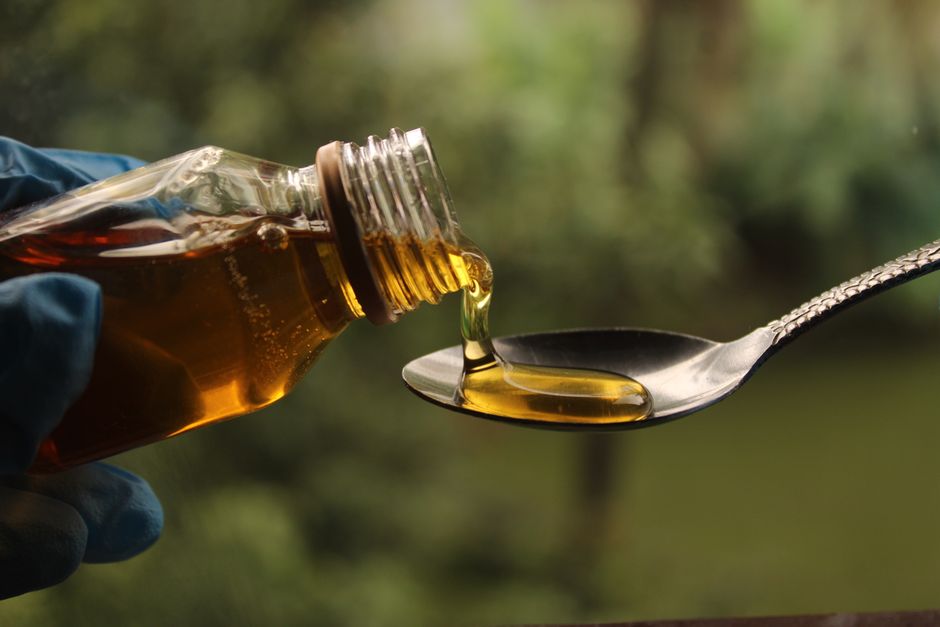
The “golden honey hack for neuropathy” is a social media trend claiming that honey — often mixed with cinnamon, turmeric, or warm water — can relieve nerve pain or even repair nerve damage. There is no clinical evidence that honey treats neuropathy. Honey is a real food with some genuine properties, but nerve pain from diabetes, chemotherapy, or other causes does not respond to it. What follows explains where the claim comes from, what honey actually does in the body, and what treatments have real evidence behind them.
If you found this trend and felt a flicker of hope, that reaction makes sense. Neuropathy is hard to live with, and standard treatments often fall short. But hope built on a false claim can cost you time and money, and in the case of diabetes, it can cost you nerve function. Here is the honest picture.
What Is the Golden Honey Hack for Neuropathy?
The hack is a set of viral recipes and videos suggesting that a spoonful of honey, usually with cinnamon or turmeric, can ease tingling, burning, or numbness in the feet and hands. Versions of it appear on TikTok, YouTube, and wellness blogs. None of these sources cite human trials. There are none to cite.
The claim rests on two ideas. First, that honey and cinnamon have anti-inflammatory properties. Second, that reducing inflammation will relieve nerve pain. The first idea has some support in laboratory and small studies. The second is where the logic breaks down.
Most common neuropathy — especially diabetic peripheral neuropathy — is not primarily an inflammatory disease. It is a structural and metabolic problem. High blood sugar over years damages small blood vessels that feed nerves, and it injures the nerves themselves through several pathways. Honey does not address any of those pathways. In fact, honey is mostly sugar, which matters a great deal for the largest group of people with neuropathy.
Does Honey Actually Help Nerve Pain?
No study has shown that eating honey reduces neuropathic pain in humans. That is the plain answer. Searches of the published medical literature turn up no clinical trials of honey for peripheral neuropathy.
What does exist is research on honey’s antimicrobial and wound-healing properties. Medical-grade honey dressings are used in wound care, and that use has real evidence behind it. This is a different application entirely. A honey dressing on a wound is not the same as eating honey to repair a nerve.
There is also laboratory research on honey’s antioxidant content. Honey contains polyphenols, and test-tube studies show antioxidant activity. Whether that translates into any meaningful effect on human nerve tissue at the amounts people eat has never been demonstrated. Biological plausibility is not the same as proven benefit.
The key distinction: a food having antioxidant compounds does not mean eating it treats a specific disease. Many plant foods contain antioxidants. None of them have been shown to reverse neuropathy.
Why the Honey Hack Is Risky for People With Diabetes
Diabetes is the leading cause of peripheral neuropathy in the United States, accounting for roughly half of all cases. This is where the honey trend becomes more than just ineffective.
Honey is about 80% sugar by weight, a mix of fructose and glucose. Gram for gram, it raises blood sugar about as much as table sugar, sometimes slightly less depending on the type. For someone managing diabetes, adding regular spoonfuls of honey works against the single most important thing they can do to protect their nerves: keeping blood sugar in range.
Blood sugar control is not a minor factor in neuropathy. It is the factor with the strongest evidence. Studies have consistently found that tighter glucose control slows the progression of diabetic neuropathy and reduces the risk of it developing. Adding a sugar source to the diet runs directly against that.
There is a second risk. People with neuropathy often have reduced sensation in their feet. If someone with numbness tries a home remedy involving hot water and honey, they may not feel water that is too hot and can burn themselves without noticing. Foot injuries in people with neuropathy deserve real caution.





What Actually Has Evidence for Neuropathy?
The treatments with the best evidence for painful diabetic neuropathy are prescription medications. This is not a satisfying answer for someone hoping for a kitchen remedy, but it is the accurate one.
Several drug classes have been studied in randomized controlled trials and shown to reduce neuropathic pain. These include certain antidepressants (such as duloxetine and amitriptyline), certain anti-seizure medications (such as gabapentin and pregabalin), and topical treatments like capsaicin cream or lidocaine patches. Each has benefits and side effects. Which one fits depends on your health, other medications, and the type of pain. A clinician should guide that choice.
Beyond medication, a few things have solid support:
- Blood sugar control for diabetic neuropathy, which is the foundation of nerve protection.
- Regular physical activity, which some studies suggest can reduce neuropathic pain and improve function, though the evidence is moderate rather than definitive.
- Foot care, including daily checks and well-fitting shoes, to prevent injuries that people with numbness may not feel.
- Addressing other causes where they exist, such as vitamin B12 deficiency, thyroid disease, or alcohol use, which a clinician can evaluate.
Some clinicians recommend alpha-lipoic acid or B-vitamin supplements, particularly in certain populations. The evidence for these is mixed. Alpha-lipoic acid has shown some benefit in European trials for diabetic neuropathy, but results have not been consistent, and it is not established as a standard treatment in US practice. If you are considering a supplement, discuss it with your clinician, especially if you take other medications.
Can Any Food or Natural Remedy Repair Nerves?
No food or supplement has been shown to repair damaged nerves in humans. This is important to state clearly, because the internet is full of claims otherwise.
Nerves can regenerate in some situations. Small nerve fibers have a limited capacity to recover, particularly if the underlying cause is corrected early. For example, if neuropathy is caused by vitamin B12 deficiency or an underactive thyroid, treating that cause can allow improvement. If it is caused by years of high blood sugar, the damage is often permanent, and the goal becomes slowing progression and managing pain.
The claim that a food “repairs” nerves oversimplifies a complex biology. It also sets people up for disappointment. What is realistic is this: some causes of neuropathy can be treated, some pain can be reduced with medication, and progression can sometimes be slowed. Reversal is not something any food can promise.
Where Did the Honey Hack Come From?
Wellness trends often borrow from real science and stretch it. Honey and cinnamon have been studied for their effects on markers like blood sugar and inflammation, mostly in small or laboratory studies. Those findings get repeated, simplified, and attached to conditions they were never tested on.
The “golden” label likely comes from honey’s color and the appealing idea of a natural, golden remedy. There is no special “golden honey” with unique nerve-healing properties. Manuka honey has more research behind it than most honeys, but that research is about wound dressings and bacteria, not neuropathy.
When a remedy is framed as a “hack,” treat that as a signal. Real treatments for serious conditions are rarely hacks. They are studied, dosed, and monitored.
What Should You Do If You Have Neuropathy Symptoms?
See a clinician. Neuropathy has many causes, and identifying yours matters. Diabetes, vitamin deficiencies, thyroid disease, kidney disease, alcohol use, certain medications, and inherited conditions can all produce nerve symptoms. Some are treatable. Finding the cause early gives you the best chance of slowing or, in some cases, improving the problem.
Describe your symptoms specifically: where they are, whether they are on both sides, what makes them better or worse, and when they started. This helps your clinician narrow the possibilities.
You can also ask about non-drug approaches for pain, including physical therapy, cognitive behavioral therapy for chronic pain, and careful foot care. These are not cures, but they have evidence for improving quality of life.
And you can skip the honey. It will not hurt most people in small amounts, but it will not help your nerves, and for people with diabetes it can work against the one strategy with the strongest evidence. That is the honest bottom line.
Frequently Asked Questions
Does honey cure neuropathy?
No. No clinical evidence shows that honey cures or treats neuropathy, and no food has been shown to repair damaged nerves in humans.
Is the golden honey hack safe for diabetics?
It can work against blood sugar control, since honey is mostly sugar and raises blood sugar similarly to table sugar. For people with diabetes, that runs counter to the strategy with the strongest evidence for protecting nerves.
What is the best natural remedy for nerve pain?
There is no natural remedy proven to relieve neuropathic pain. The treatments with the strongest evidence are prescription medications, along with blood sugar control for diabetic neuropathy and good foot care.
Can damaged nerves grow back?
Sometimes, if the underlying cause is corrected early, such as a vitamin deficiency or thyroid problem. When neuropathy comes from years of high blood sugar, the damage is often permanent, and the focus shifts to slowing progression and managing pain.
