
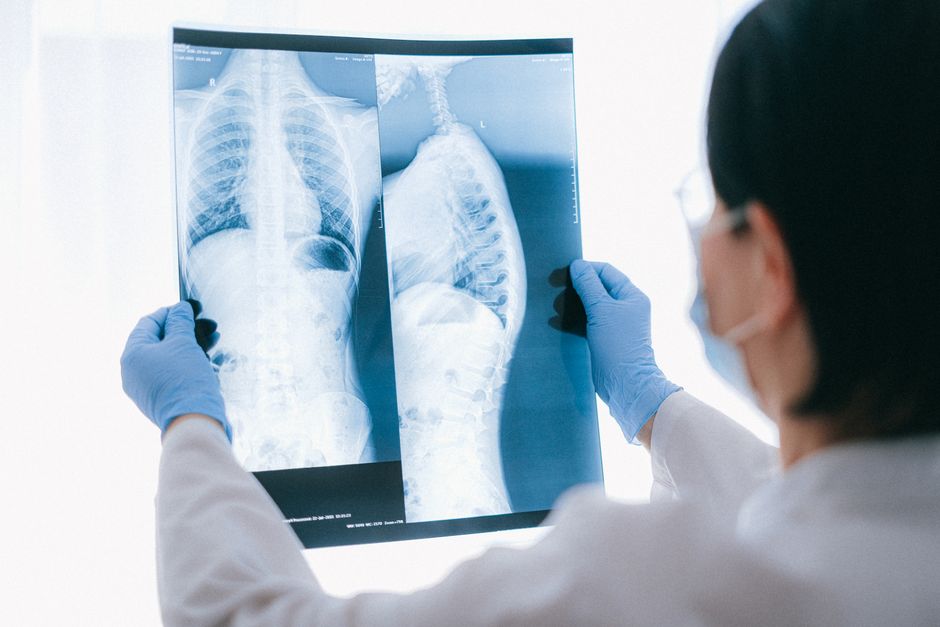
Your lungs work every second of every day, whether you notice them or not. They bring oxygen into your body and remove carbon dioxide, a waste product your cells produce. That exchange of gases is the core function of the lungs, and without it, no other organ in your body can survive for more than a few minutes.
What Is The Function Of The Lungs?
The lungs are the central organs of your respiratory system. Their main job is gas exchange: pulling oxygen from the air you breathe into your bloodstream, and pushing carbon dioxide out of your blood so you can exhale it.
Every cell in your body needs oxygen to produce energy. When cells use that energy, they create carbon dioxide as waste. If carbon dioxide builds up, your blood becomes too acidic, which damages tissues and organs. The lungs prevent that by constantly refreshing the air in contact with your blood.
Your lungs also filter small blood clots, help regulate blood pH, and act as a physical barrier against dust, germs, and pollutants you inhale. But gas exchange is their primary purpose, and every other function supports that mission.
How Do the Lungs Actually Work?
Breathing starts with your diaphragm, a dome-shaped muscle below your lungs. When you inhale, the diaphragm contracts and moves downward. That expands your chest cavity, creating negative pressure that pulls air through your nose or mouth, down your windpipe, and into your lungs.
Air travels through a branching network of tubes called bronchi, which divide into smaller and smaller passages. At the very ends of these passages are tiny balloon-like sacs called alveoli. An adult has roughly 300 to 500 million alveoli, and their combined surface area is about the size of a tennis court.
This enormous surface area is where the real work happens. Each alveolus is wrapped in a dense network of microscopic blood vessels called capillaries. The wall between the air inside an alveolus and the blood inside a capillary is extremely thin — about one cell thick in places.
Oxygen moves across that thin barrier into the blood, where it binds to hemoglobin in red blood cells. At the same time, carbon dioxide moves out of the blood and into the alveolus, ready to be exhaled. This process is called diffusion, and it happens passively — your body does not actively pump these gases across the membrane.
The entire cycle is driven by pressure differences. Oxygen is more concentrated in the air you inhale than in your blood, so it moves toward the blood. Carbon dioxide is more concentrated in the blood returning from your tissues, so it moves toward the air you are about to exhale.
What Happens When You Inhale and Exhale?
A normal resting adult breathes about 12 to 20 times per minute. Each breath moves roughly 500 milliliters of air, which is about one pint. That adds up to roughly 11,000 liters of air per day, though the exact number varies with body size and activity level.
Inhaled air is about 21 percent oxygen and 0.04 percent carbon dioxide. Exhaled air contains about 16 percent oxygen and 4 to 5 percent carbon dioxide. That difference represents the oxygen your body extracted and the carbon dioxide it eliminated.
But not every liter of air you inhale reaches the alveoli. The first portion fills your nose, throat, windpipe, and airways — a space called anatomical dead space. Only the air that reaches the alveoli actually participates in gas exchange. This is why taking slow, deep breaths is more efficient than rapid, shallow ones.
Your brain controls breathing automatically through a center in the brainstem. It monitors carbon dioxide levels in your blood more than oxygen levels. When carbon dioxide rises, your breathing rate increases to blow it off. This is why holding your breath eventually becomes uncomfortable — not because you are running out of oxygen, but because carbon dioxide is building up.





What Are the Other Jobs of the Lungs?
Gas exchange gets all the attention, but the lungs do more than move oxygen and carbon dioxide.
They filter the blood. The lungs receive all the blood that returns to the heart from the body. Small blood clots, cellular debris, and other particles can get trapped in the lung’s capillary network before they reach the brain or other vital organs. This filtering function protects the systemic circulation.
They help regulate blood pH. Carbon dioxide dissolves in blood to form carbonic acid. By controlling how much carbon dioxide you exhale, your lungs directly influence the acidity of your blood. The kidneys handle long-term pH regulation, but the lungs respond within minutes to rapid changes.
They defend against infection. Your airways are lined with mucus-producing cells and tiny hair-like structures called cilia. Mucus traps dust, bacteria, viruses, and pollutants. Cilia beat in coordinated waves, sweeping that mucus upward toward your throat, where you swallow it or cough it out. This is called the mucociliary escalator, and it is your first line of defense against inhaled pathogens.
They also produce and process important substances. Lung cells produce surfactant, a soap-like substance that keeps alveoli from collapsing. The lungs also activate certain hormones and inactivate others, including some that regulate blood pressure.
What Are the Most Common Conditions That Affect Lung Function?
Several conditions can interfere with the lungs’ ability to exchange gas. Understanding them helps clarify how fragile this system can be.
Asthma is a condition where the airways become inflamed and narrow in response to triggers like allergens, cold air, or exercise. The airway muscles spasm, mucus production increases, and breathing becomes difficult. Between attacks, lung function may be completely normal.
Chronic obstructive pulmonary disease (COPD) is an umbrella term for progressive lung diseases, most commonly emphysema and chronic bronchitis. In emphysema, the walls between alveoli are destroyed, reducing surface area for gas exchange. In chronic bronchitis, the airways are persistently inflamed and produce excess mucus. Smoking causes the vast majority of COPD cases.
Pneumonia is an infection that causes the alveoli to fill with fluid or pus. Gas exchange drops sharply because oxygen has to cross fluid before reaching the blood. Pneumonia can be caused by bacteria, viruses, or fungi, and it can range from mild to life-threatening.
Pulmonary embolism occurs when a blood clot travels to the lungs and blocks a pulmonary artery. This cuts off blood flow to part of the lung tissue, preventing gas exchange in that region. It is a medical emergency.
Pulmonary fibrosis involves scarring of lung tissue. The walls between alveoli thicken and stiffen, making it harder for oxygen to cross into the blood. The cause is often unknown, though some cases are linked to environmental exposures or autoimmune conditions.
Lung cancer begins when cells in the lungs grow uncontrollably. It can block airways, cause bleeding, and spread to other organs. Smoking is the leading risk factor, but nonsmokers can develop lung cancer too.
How Can You Protect Your Lungs?
Lung health depends heavily on what you expose your lungs to over time. The most important step is avoiding tobacco smoke. Smoking damages cilia, destroys alveolar walls, and introduces thousands of chemicals directly into lung tissue. No other single action protects your lungs more than not smoking.
Avoiding secondhand smoke matters too. The smoke exhaled by a smoker and the smoke rising from a burning cigarette contain many of the same harmful chemicals.
Indoor air quality deserves attention. Radon, a naturally occurring radioactive gas, is the second leading cause of lung cancer after smoking. Testing your home for radon is inexpensive and can detect a problem you cannot see or smell. Mold, dust, and volatile organic compounds from household products can also irritate airways over time.
Outdoor air pollution affects lung health as well. On days when air quality is poor, limiting strenuous outdoor activity can reduce how much pollution you inhale. This advice matters most for people with existing lung conditions, older adults, and children.
Exercise strengthens your lungs. Regular aerobic activity makes your respiratory muscles more efficient and improves how well your body uses oxygen. It does not increase your total lung capacity, but it improves ventilation and circulation.
Vaccinations protect against respiratory infections. Influenza and pneumonia vaccines do not prevent all cases, but they reduce the risk of severe illness and complications. Staying current on recommended vaccines is a practical step, particularly for older adults and people with chronic conditions.
Deep breathing exercises do not increase lung capacity in healthy people, despite what some marketing claims suggest. Your lungs already have far more capacity than you use at rest. What breathing exercises can do is strengthen the diaphragm and help people with conditions like COPD manage breathlessness more effectively.
When Should You See a Doctor About Your Lungs?
Some breathing changes deserve medical attention. A cough that lasts more than three weeks, coughing up blood, unexplained shortness of breath, or chest pain with breathing are all reasons to see a healthcare provider. Wheezing, frequent respiratory infections, or a persistent feeling that you cannot take a full breath also warrant evaluation.
Shortness of breath is not a normal part of aging. If walking up a flight of stairs leaves you gasping when it did not before, that change matters. Lung function does decline gradually with age, but sudden or progressive changes should be investigated.
Doctors assess lung health through a test called spirometry, which measures how much air you can exhale and how fast. This test can detect obstructive and restrictive lung patterns before symptoms become severe. If you have a history of smoking or exposure to lung irritants, discussing lung function testing with your doctor is reasonable even without symptoms.
Frequently Asked Questions
Can your lungs repair themselves after damage?
Your lungs have some ability to repair minor damage, particularly if the irritant is removed, but significant damage like that from smoking or fibrosis is often permanent. The body can regenerate some cells and clear mucus, but destroyed alveolar walls do not grow back.
Does holding your breath damage your lungs?
Holding your breath to the point of discomfort is not harmful for healthy people because your brain forces you to breathe before oxygen levels become dangerous. Breath-holding underwater or in other unsafe situations is dangerous for different reasons, including drowning or passing out.
What is a normal oxygen saturation level?
A normal oxygen saturation reading for most healthy adults is 95 to 100 percent when measured with a pulse oximeter. Readings below 90 percent are considered low and require medical evaluation.
Do lung exercises increase lung capacity?
No exercise increases the maximum capacity of healthy lungs because that capacity is largely determined by your body size and chest structure. Breathing exercises can improve diaphragm strength and breathing efficiency, which helps people with lung disease manage symptoms, but they do not expand healthy lungs.
