
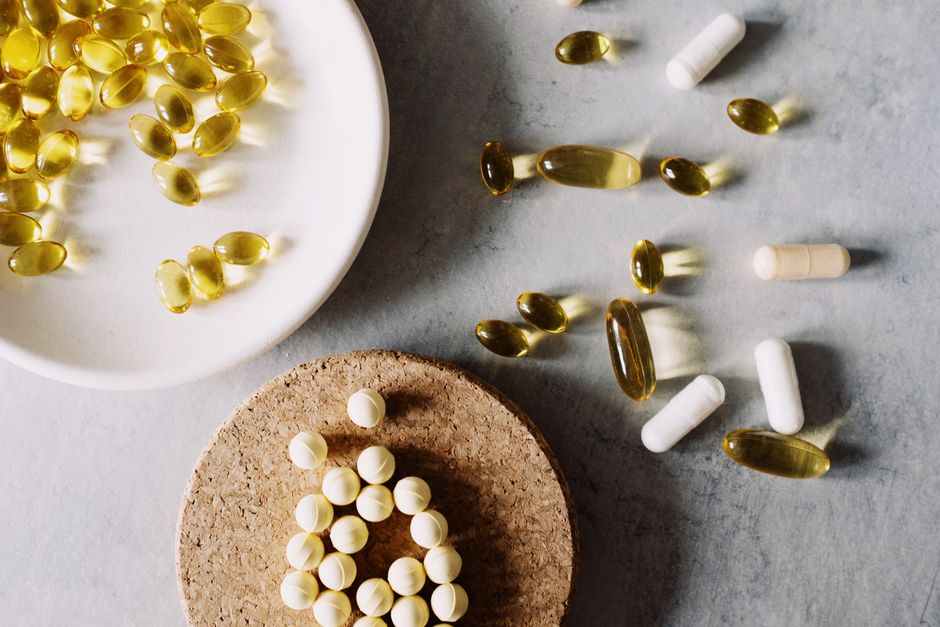
Cellulase is an enzyme that breaks down cellulose, the main structural fiber in plant cell walls. It works by cutting the long chains of cellulose into smaller sugar molecules. Humans do not produce cellulase naturally, which is why we cannot digest grass, wood, or raw plant fiber for energy. The enzyme is produced by bacteria, fungi, and certain other organisms, and it is used commercially in food processing, textile manufacturing, and dietary supplements.
What Is The Function Of The Cellulase Enzyme?
Cellulase performs one specific job: it breaks the beta-1,4 glycosidic bonds that hold cellulose chains together. Cellulose is made of thousands of glucose units linked in a straight, rigid chain. Because of how those bonds are arranged, human digestive enzymes cannot cut them. Cellulase can.
The enzyme actually works as a group of enzymes, not a single protein. Endoglucanases cut random internal bonds in the cellulose chain. Exoglucanases clip glucose units off the ends. Beta-glucosidases convert the resulting cellobiose into individual glucose molecules. Together, these three actions fully degrade cellulose into usable sugar.
In nature, this process is essential for the carbon cycle. Fungi and bacteria use cellulase to decompose dead plants and return nutrients to the soil. Without cellulase, fallen leaves and trees would never break down.
Why Do Humans Not Produce Cellulase?
Humans lack the genes needed to code for cellulase production. This is true for all mammals, not just people. Herbivores like cows and horses do not produce cellulase either. They rely on symbiotic microbes living in their digestive tracts to break down cellulose for them.
These microbes ferment cellulose into short-chain fatty acids, which the animal then absorbs and uses for energy. Humans have some fermentative bacteria in the colon, but far less capacity than ruminants. As a result, cellulose passes through the human digestive system mostly intact. It functions as insoluble dietary fiber, adding bulk to stool and supporting regular bowel movements.
This is why eating celery stalks or wheat bran does not provide significant calories. The cellulose in those foods travels through the gut undigested. The small amount of fermentation that occurs in the colon produces gas and some fatty acids, but not meaningful energy.
How Is Cellulase Used in Food Processing?
The food industry uses cellulase for several practical purposes. In juice production, the enzyme breaks down cell walls in fruits and vegetables, releasing more liquid and increasing juice yield. It also clarifies juice by breaking down suspended fiber particles that cause cloudiness.
Baking is another major application. Cellulase weakens the structure of wheat bran and whole grains, which improves dough handling and produces softer bread with better volume. This is especially useful in whole-grain products, which can otherwise be dense and heavy.
In brewing and wine making, cellulase helps extract flavor compounds and sugars from grains and grapes. It can also reduce the viscosity of plant-based milks and improve the texture of pureed vegetable products.
None of these uses are controversial from a safety standpoint. Cellulase derived from fungi such as Trichoderma reesei and Aspergillus niger has been used in food production for decades. Regulatory agencies in the United States and Europe generally recognize these enzyme preparations as safe for their intended use.



What Do Cellulase Supplements Actually Do?
Cellulase supplements are marketed for digestion and gut health. The idea is that taking the enzyme with meals helps break down plant fiber that the body cannot digest on its own. Some products combine cellulase with other enzymes like amylase, protease, and lactase.
The evidence for benefit is limited. The stomach is highly acidic, and most enzymes are denatured by gastric acid before they reach the intestines where fiber digestion would need to occur. Some supplement manufacturers use enteric coatings or special delivery systems to protect the enzyme, but independent studies on the effectiveness of these approaches are scarce.
One area where cellulase supplements may have a legitimate role is for people who experience bloating or discomfort after eating high-fiber foods. A small number of studies suggest that supplemental enzymes can reduce gas and bloating in some individuals, but results are inconsistent. No large clinical trials have confirmed a clear benefit for the general population.
If you are considering a cellulase supplement, it is reasonable to discuss it with a doctor, especially if you have a digestive condition like irritable bowel syndrome or inflammatory bowel disease. The supplement is generally considered safe at typical doses, but it is not a treatment for any disease.
Can Cellulase Help With Weight Loss?
No clinical evidence currently confirms that cellulase supplements cause weight loss. The logic some marketers use is that breaking down fiber releases more calories from plant foods, which would actually work against weight loss. Other marketers claim the opposite — that cellulase reduces bloating and makes the stomach feel flatter.
Neither claim is supported by strong research. The amount of energy released by supplemental cellulase digestion of fiber in the gut is likely negligible. The bloating reduction effect, if it occurs at all, is temporary and not the same as fat loss.
Be cautious with any product that promises weight loss through enzyme supplementation. No study has confirmed this effect, and the marketing logic is internally inconsistent.
What Are the Industrial Applications of Cellulase?
Beyond food, cellulase has significant industrial uses. In textile manufacturing, it is used for bio-polishing cotton fabrics. The enzyme removes loose fiber ends and fuzz from the surface of the fabric, leaving it smoother and softer. It is also used to create the faded look in stone-washed denim, replacing the pumice stones that were traditionally used.
The paper and pulp industry uses cellulase to modify fiber properties and improve drainage during paper production. It can reduce the energy required for refining wood pulp and improve the quality of recycled paper.
Cellulase is also a key component in biofuel research. Cellulosic ethanol is made by breaking down agricultural waste like corn stalks and switchgrass into fermentable sugars, which are then converted to ethanol by yeast. The challenge is that cellulose is highly resistant to degradation, and current enzymatic processes are still expensive compared to starch-based ethanol production.
Research continues into more efficient cellulase enzymes that work faster and tolerate higher temperatures. The goal is to make cellulosic biofuels economically viable at industrial scale.
Are There Any Risks or Side Effects?
For most people, cellulase is well tolerated. When used in food processing, the enzyme is inactivated during cooking or processing and does not remain active in the final product. When taken as a supplement, typical doses have not been associated with serious side effects in published research.
Some people may experience mild digestive symptoms like gas, bloating, or loose stools when first starting an enzyme supplement. These symptoms usually resolve within a few days. People with fungal allergies should check the source of the enzyme, since many commercial preparations are derived from fungi.
Pregnant and breastfeeding women should not take cellulase supplements without medical guidance. No clinical guidelines currently exist for this population, and there is no reliable safety data.
If you have a medical condition or take prescription medications, talk to your healthcare provider before adding any enzyme supplement to your routine. This is especially important for people with digestive disorders, where changes in fiber fermentation could affect symptoms.
Frequently Asked Questions
Is cellulase the same as cellulose?
No. Cellulose is the plant fiber itself, while cellulase is the enzyme that breaks it down. They are completely different substances.
Can cellulase supplements help with bloating?
Some small studies suggest they may reduce gas and bloating in certain individuals, but the evidence is inconsistent. No large clinical trials have confirmed a reliable benefit.
Do humans produce cellulase naturally?
No. Humans lack the genes to produce cellulase, which is why we cannot digest cellulose for energy. It passes through the digestive tract as dietary fiber.
Is cellulase safe to take every day?
Typical supplement doses appear to be safe for most healthy adults, but long-term safety data is limited. Consult a doctor before daily use, especially if you are pregnant, breastfeeding, or have a digestive condition.
