
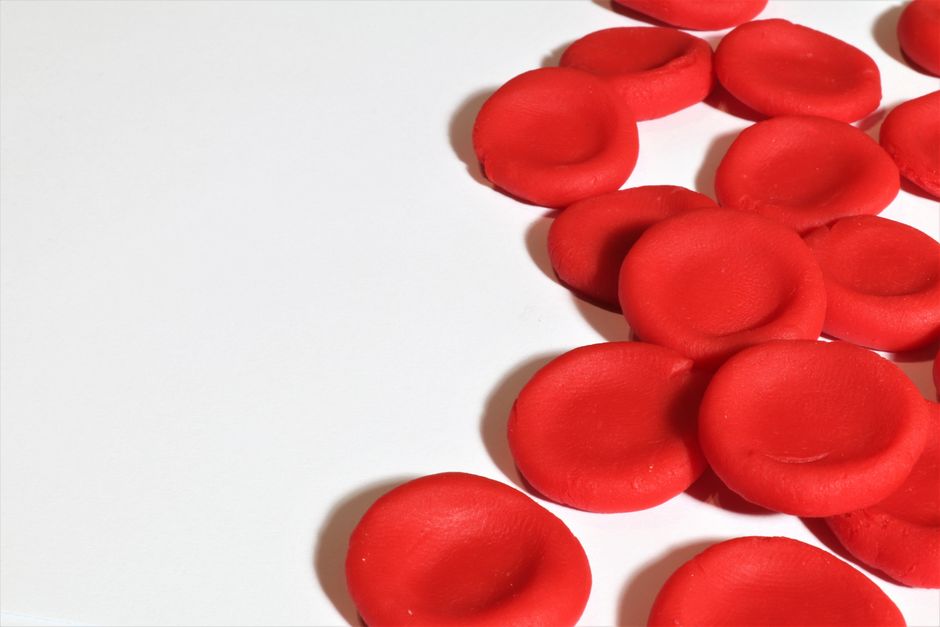
Every second, your blood is doing a job so basic you never think about it: carrying oxygen from your lungs to every cell in your body. Hemoglobin is the protein that makes this possible. It is the molecule inside red blood cells that binds oxygen in the lungs, transports it through the bloodstream, and releases it where tissues need it. Without hemoglobin, oxygen could not travel through your blood in the amounts your body requires.
Hemoglobin also carries a portion of the carbon dioxide your cells produce back to the lungs so you can exhale it. And it helps regulate the acid-base balance of your blood. These roles are less famous than oxygen transport, but they matter just as much.
What Is The Function Of Hemoglobin?
Hemoglobin’s main job is to pick up oxygen in the lungs and deliver it to tissues throughout the body. Each red blood cell contains millions of hemoglobin molecules, and each molecule can carry up to four oxygen molecules.
The protein has a distinctive structure. It is made of four folded chains, called globin chains, and each chain holds a small iron-containing compound called heme. The iron atom at the center of each heme is what actually binds oxygen. That is why iron matters so much to your health: without enough iron, your body cannot make enough functional hemoglobin.
Hemoglobin does more than ferry oxygen. It also:
- Carries a share of carbon dioxide from tissues back to the lungs
- Binds to hydrogen ions, helping keep blood pH in its narrow normal range
- Changes shape as it binds and releases oxygen, which lets it load oxygen efficiently in the lungs and unload it efficiently in active tissues
That shape change is a clever piece of biochemistry. When hemoglobin releases oxygen in a tissue, it binds more readily to carbon dioxide and hydrogen ions. This helps explain how your blood handles the waste products of metabolism while it delivers fresh oxygen.
How Does Hemoglobin Carry Oxygen Through The Body?
Oxygen transport depends on a property called oxygen affinity: how tightly hemoglobin holds onto oxygen. That affinity is not fixed. It shifts depending on where the hemoglobin is and what the surrounding tissue needs.
In the lungs, oxygen is plentiful. Hemoglobin binds oxygen readily and becomes nearly saturated. In tissues that are working hard, oxygen levels are lower, carbon dioxide is higher, and the environment is slightly more acidic. All three of these conditions reduce hemoglobin’s affinity for oxygen, so it releases its cargo where it is needed most.
This is one reason exercise increases oxygen delivery to muscles. Working muscle produces carbon dioxide and acid, and the local environment shifts in a way that makes hemoglobin let go of oxygen more easily. The system is self-adjusting.
Another factor is a molecule called 2,3-BPG, which is produced inside red blood cells. It reduces hemoglobin’s oxygen affinity. Levels of 2,3-BPG rise in response to conditions like chronic low oxygen, which can help tissues extract more oxygen from the blood that reaches them.
What Does Hemoglobin Do Besides Carry Oxygen?
Hemoglobin plays an active role in moving carbon dioxide and managing blood acidity. Most carbon dioxide travels in the blood as bicarbonate, a dissolved form, but hemoglobin carries a meaningful portion bound directly to the protein.
Hemoglobin also acts as a buffer. It binds hydrogen ions, which helps prevent blood from becoming too acidic as tissues produce acid during normal metabolism. This buffering role is part of why hemoglobin concentration matters beyond oxygen delivery alone.
There is a detail worth knowing: hemoglobin does not just carry carbon dioxide passively. It chemically binds carbon dioxide at specific sites on the protein, and this binding is influenced by whether the hemoglobin is holding oxygen. The molecule coordinates its oxygen and carbon dioxide handling rather than treating them as separate jobs.
What Is A Normal Hemoglobin Level?
Hemoglobin is measured in grams per deciliter (g/dL) of blood. Normal ranges differ by sex and are set by clinical laboratories, so exact cutoffs can vary slightly between labs.
Commonly used reference ranges are approximately 13.5 to 17.5 g/dL for adult men and 12.0 to 15.5 g/dL for adult women. These are general reference values, not universal thresholds, and a doctor interprets your result alongside your symptoms and history.
When hemoglobin falls below the reference range, the condition is called anemia. When it is above the range, it is called polycythemia. Both can have several causes, and neither is a diagnosis on its own.
What Happens When Hemoglobin Is Too Low?
Low hemoglobin means less oxygen-carrying capacity in the blood. The most common cause is iron deficiency, but anemia has many possible causes, and identifying the right one matters for treatment.
Other causes include vitamin B12 or folate deficiency, chronic kidney disease, blood loss, inherited conditions such as sickle cell disease or thalassemia, and some chronic inflammatory diseases. Each affects hemoglobin through a different mechanism, which is why a low result alone does not tell you the cause.
Symptoms of low hemoglobin can include:
- Fatigue and weakness
- Shortness of breath, especially with activity
- Pale skin
- Dizziness or lightheadedness
- Fast heartbeat
- Headache
These symptoms are not specific to anemia. Many conditions cause fatigue and breathlessness, so a blood test is what confirms low hemoglobin.
What Happens When Hemoglobin Is Too High?
High hemoglobin can develop when the body is chronically short of oxygen and compensates by making more red blood cells. This can happen with chronic lung disease, living at high altitude, or certain heart conditions. It can also result from conditions that cause the bone marrow to overproduce red blood cells, such as polycythemia vera.
Sometimes high hemoglobin reflects dehydration, which concentrates the blood without increasing the actual number of red blood cells. That distinction is why a doctor looks at the full blood count rather than a single number.
Very high hemoglobin thickens the blood and can increase the risk of clotting. This is a reason high results are taken seriously and investigated rather than ignored.
What Affects Hemoglobin Levels?
Diet, health conditions, and lifestyle all influence hemoglobin. Iron, vitamin B12, and folate are the nutrients most directly involved in red blood cell production.
Iron from animal sources is absorbed more readily than iron from plant sources, which is why dietary advice often pairs plant iron with vitamin C to improve absorption. This is well-established nutrition science, not a fringe claim.
Other factors that can affect hemoglobin include:
- Blood loss, including heavy menstrual bleeding and gastrointestinal bleeding
- Pregnancy, which increases blood volume and can lower measured hemoglobin concentration
- Chronic kidney disease, because the kidneys produce erythropoietin, a hormone that signals red blood cell production
- Smoking, which can raise hemoglobin as the body compensates for carbon monoxide exposure
- Altitude, where lower oxygen levels prompt more red blood cell production
Some of these effects are adaptive and some are signs of disease. The same high or low number can mean different things depending on context.
When Should You Get Your Hemoglobin Checked?
Hemoglobin is part of a standard complete blood count (CBC), a routine blood test. It is often checked during general physicals, before surgery, during pregnancy, and whenever someone has symptoms that could suggest anemia.
Talk to a doctor if you have persistent fatigue, unexplained shortness of breath, unusual paleness, or a fast heartbeat that does not have an obvious cause. These symptoms do not confirm anemia, but they are reasonable reasons to get checked.
If you have a known condition that affects hemoglobin, such as chronic kidney disease or an inherited blood disorder, your doctor will likely monitor it on a schedule. Follow that schedule rather than relying on how you feel, since mild anemia can cause few obvious symptoms.
How Do You Support Healthy Hemoglobin?
Eating a diet with enough iron, vitamin B12, and folate supports normal red blood cell production. Good sources of iron include lean meat, poultry, fish, beans, lentils, and fortified cereals. Vitamin B12 is found mainly in animal products and fortified foods. Folate is found in leafy greens, beans, and fortified grains.
A few practical points are well supported. Vitamin C improves absorption of plant-based iron, so pairing beans with citrus or peppers helps. Calcium and tea or coffee can reduce iron absorption when consumed with a meal, which matters most for people at risk of iron deficiency.
Iron supplements are not a general wellness product. Taking iron when you are not deficient can cause side effects and, in rare cases, harm. If you suspect low iron, get tested first and follow your doctor’s guidance on whether and how much to take. There are no universal supplement recommendations that apply to everyone.
Frequently Asked Questions
What is the main function of hemoglobin?
Hemoglobin’s main function is to carry oxygen from the lungs to tissues throughout the body. It also transports some carbon dioxide back to the lungs and helps regulate blood acidity.
What is a normal hemoglobin level?
Common reference ranges are about 13.5 to 17.5 g/dL for adult men and 12.0 to 15.5 g/dL for adult women, though labs may vary slightly. A doctor interprets your result alongside your symptoms and history.
What foods help increase hemoglobin?
Foods rich in iron, vitamin B12, and folate support red blood cell production. Examples include lean meat, beans, lentils, leafy greens, and fortified cereals, and pairing plant iron with vitamin C improves absorption.
Can low hemoglobin cause shortness of breath?
Yes, low hemoglobin reduces oxygen-carrying capacity and can cause shortness of breath, especially with activity. Shortness of breath has many other causes, so a blood test is needed to confirm anemia.
