
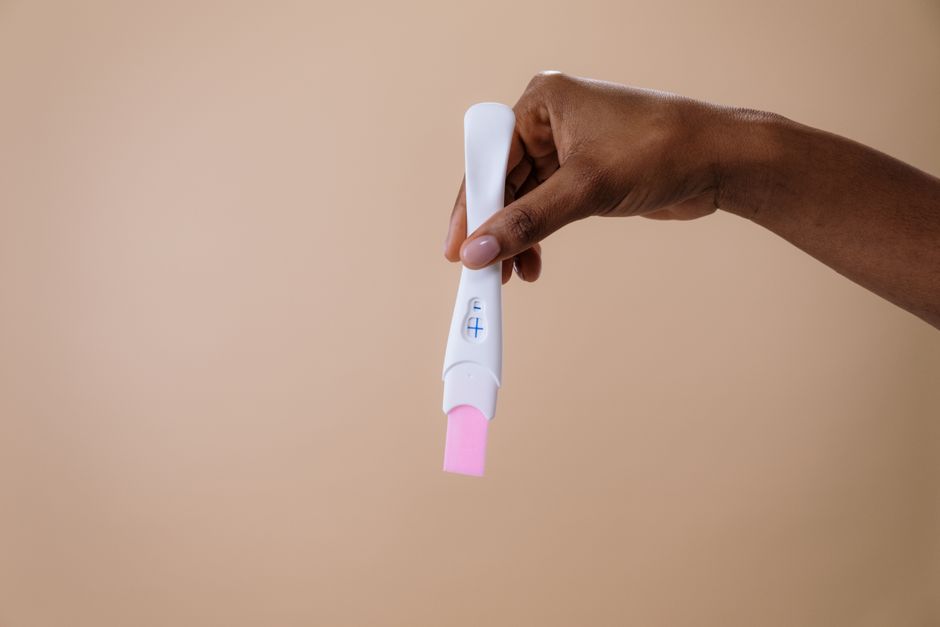
If you typed “ept test pregnancy neuro more” into a search bar, you were probably trying to make sense of a few different things at once. The “ept test” is almost certainly a misspelling of EPT, a well-known brand of home pregnancy test. “Pregnancy” and “neuro” are the two topics that people most often pair with it — either wondering whether a pregnancy test can tell them anything about their baby’s brain development, or worrying about neurological symptoms during early pregnancy. This article answers both questions honestly and separates what is established from what is not.
What Is The EPT Test?
EPT stands for Early Pregnancy Test. It is a brand of over-the-counter urine pregnancy test that has been sold in the United States for decades. It works the same way as most home pregnancy tests on the market.
Home pregnancy tests detect a hormone called human chorionic gonadotropin, or hCG. This hormone is produced by the cells that will eventually form the placenta. It shows up in urine and blood shortly after a fertilized egg implants in the uterine lining.
Implantation usually happens about six to twelve days after ovulation. hCG levels then rise quickly in early pregnancy. A home urine test is generally designed to detect hCG at a level around 20 to 25 mIU/mL, which most tests can pick up around the time of a missed period.
Testing too early is the most common reason for a false negative. If you test before implantation has happened, or before hCG has risen enough, you can get a negative result even if you are pregnant. Waiting until the first day of a missed period improves accuracy considerably.
Can A Pregnancy Test Tell You Anything About Fetal Brain Development?
No. A home pregnancy test cannot assess fetal brain development, neurological health, or anything related to the baby’s nervous system. It measures one hormone, hCG, and that is all.
This is where a lot of confusion comes from. People search “pregnancy test neuro” because they have heard that hCG or some other marker is linked to brain development, or because a test result seemed to correlate with something they read online. There is no established connection between the result of a home pregnancy test and the neurological development of a fetus.
hCG does have roles beyond simply confirming pregnancy. It supports the corpus luteum, a structure in the ovary that produces progesterone early in pregnancy until the placenta takes over. But hCG is not a marker of brain development, and no home test is designed or validated to measure anything about the fetal nervous system.
Fetal brain development is assessed through entirely different tools — ultrasound imaging, and in specific situations, more specialized testing ordered by a clinician. These are medical procedures, not something a drugstore test can do.
Is There A Blood Test For Neurological Risk In Pregnancy?
There is no routine blood test that screens for neurological risk in a fetus during pregnancy. Some screening tests exist for specific conditions, but they are not the same as a general “neuro” test, and they are ordered and interpreted by clinicians.
What does exist is prenatal screening and diagnostic testing for certain chromosomal and genetic conditions, some of which are associated with neurological differences. These include:
- Cell-free DNA screening, sometimes called NIPT, which analyzes fragments of placental DNA in the mother’s blood
- Maternal serum screening, which measures several substances in the mother’s blood
- Chorionic villus sampling and amniocentesis, which are diagnostic procedures that sample fetal tissue or fluid
These tests look for conditions like Down syndrome, trisomy 18, and neural tube defects. They are not the same as a home pregnancy test, and they are not something you can buy off a shelf. A clinician decides whether any of them are appropriate based on your history, age, and other factors.
Some people search for a “neuro test” after hearing about newer blood-based screening research. It is worth being clear: research into blood biomarkers for various conditions is active, but that is different from an established, available test you can take at home. If a product claims to assess neurological health through a simple test, that claim is not supported by clinical evidence.
Neurological Symptoms In Early Pregnancy
Many people search for “pregnancy neuro” because they are experiencing neurological symptoms and want to know if it is normal. Some symptoms are common and generally not concerning. Others need medical attention.
Common neurological symptoms in early pregnancy include:
- Fatigue and difficulty concentrating
- Headaches, which are common in early pregnancy
- Dizziness or lightheadedness
- Changes in sleep and mood
These are often related to hormonal shifts, changes in blood pressure and blood volume, and the general demands of early pregnancy. They are usually not a sign of something serious on their own.
Some symptoms are different. Seek medical care promptly if you have:
- A severe or sudden headache, especially one unlike any you have had before
- Vision changes
- Weakness, numbness, or difficulty speaking
- A seizure
These can point to conditions that need urgent evaluation. In later pregnancy, a severe headache with vision changes and swelling can be a sign of preeclampsia, which is a serious condition. This article is informational only and cannot tell you whether your specific symptoms are concerning — that requires a clinician.
Does hCG Level Predict Anything About The Baby?
hCG levels confirm pregnancy and can give some information about how a pregnancy is progressing, but they are not a predictor of a baby’s intelligence, brain function, or long-term neurological outcome.
In early pregnancy, hCG is expected to roughly double every 48 to 72 hours, though this pattern varies and slows down as pregnancy advances. Clinicians sometimes track hCG levels to help evaluate early pregnancy, but the interpretation depends on many factors, including how far along the pregnancy is.
A single hCG number tells you very little on its own. The same value can be normal at one point in pregnancy and concerning at another. This is one reason home tests are designed to give a yes-or-no result rather than a number — the number requires clinical context to mean anything.
Why Do People Search “Pregnancy Neuro More”?
The phrase likely comes from a few different sources getting mixed together. Someone may have seen a pregnancy test result, heard something about neurological development, and searched for a connection that does not exist in the way they expected.
It is also possible the search reflects a concern — a symptom, a family history, or something a clinician mentioned. Those concerns are worth taking to a healthcare provider rather than trying to resolve through a search engine.
One clarification worth making: a home pregnancy test and a neurological assessment are two completely separate things. No home test measures brain development, neurological risk, or cognitive outcomes. If you want information about your baby’s neurological development, that conversation belongs with your prenatal care provider, who can explain what testing is appropriate and what it can and cannot tell you.
Frequently Asked Questions
What does EPT stand for on a pregnancy test?
EPT stands for Early Pregnancy Test, a brand of over-the-counter urine pregnancy test. It detects the hormone hCG, which rises after a fertilized egg implants in the uterus.
Can a pregnancy test detect neurological problems in a baby?
No. A home pregnancy test only measures hCG and cannot assess fetal brain development or neurological risk. Fetal neurological assessment requires clinical imaging or specialized testing ordered by a healthcare provider.
When should I take a pregnancy test for the most accurate result?
Testing on or after the first day of a missed period gives the most reliable result for most home tests. Testing earlier can produce a false negative if hCG has not risen enough to be detected.
Are neurological symptoms normal in early pregnancy?
Some symptoms like headaches, fatigue, and dizziness are common in early pregnancy and often related to hormonal and blood flow changes. Severe or sudden headaches, vision changes, weakness, or seizures need prompt medical evaluation.
