
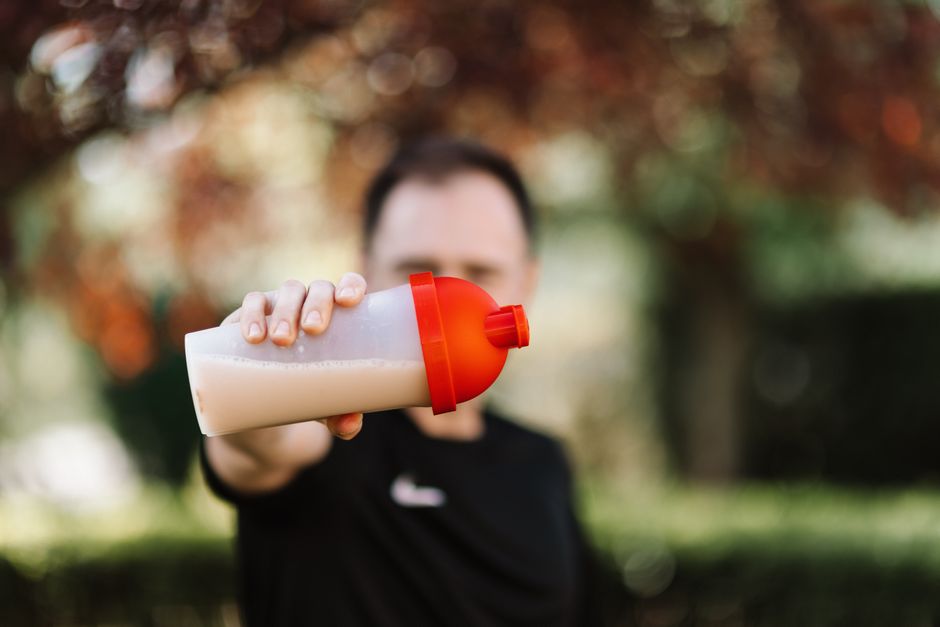
Soy protein comes from soybeans. Whey protein comes from milk. That single difference in source shapes almost everything else about them — their amino acid profiles, how they digest, what they do and don’t contain, and who tends to choose one over the other. Both are complete proteins, meaning each supplies all nine essential amino acids your body cannot make on its own. Neither is inherently “better.” They differ in ways that matter depending on your goals, your digestion, and your diet.
What Is The Difference Between Soy And Whey Protein?
The core difference is origin and amino acid profile. Whey is a dairy protein isolated from the liquid left over during cheese making. Soy is a plant protein extracted from soybeans. Both are complete proteins, but whey is higher in the branched-chain amino acid leucine, which plays a central role in triggering muscle protein synthesis.
Whey also digests faster. Soy digests at a moderate pace. That speed difference is one reason whey is often favored right after resistance training, though the practical gap is smaller than marketing suggests when total daily protein intake is adequate.
Soy carries compounds called isoflavones, which have weak estrogen-like activity in the body. This has generated decades of confusion and misinformation. The current body of evidence does not show that normal soy consumption disrupts hormones in men or women in any meaningful way.
How Do Their Amino Acid Profiles Compare?
Both proteins are complete, but the distribution of amino acids differs. Whey is exceptionally rich in leucine, the amino acid most directly linked to muscle protein synthesis. Soy contains leucine too, just at lower concentrations.
Whey also contains higher levels of cysteine and methionine. Soy is relatively higher in arginine and glutamine. These differences matter most in narrow contexts — like optimizing muscle growth in trained athletes eating at the margins of their protein needs. For most people meeting daily protein targets, the practical difference is minor.
The protein digestibility-corrected amino acid score, or PDCAAS, rates both whey and soy at 1.0, the highest possible score. That means both proteins are highly digestible and provide adequate amounts of all essential amino acids. This is a well-established measure used by the World Health Organization and other bodies to assess protein quality.
Which One Digests Faster And Why Does It Matter?
Whey is a “fast” protein. It leaves the stomach quickly and produces a sharp, short rise in blood amino acids. Soy sits in the middle — slower than whey, faster than casein, the other major milk protein.
This speed difference has led to the common practice of taking whey immediately after a workout. The idea is to spike amino acids during the post-exercise window. But research over the past decade has softened that recommendation. Total daily protein intake appears to matter far more than timing for most people. Some studies suggest the “anabolic window” is wider than once believed — hours rather than minutes.
For someone who eats regular meals with adequate protein, the speed difference between soy and whey is unlikely to affect muscle-building outcomes. For someone training fasted or eating very few meals, a faster protein may have a modest edge. The evidence here is not strong enough to make firm claims either way.
Does Soy Affect Hormones?
This is the most misunderstood part of the soy-versus-whey conversation. Soy contains isoflavones — plant compounds that can bind weakly to estrogen receptors. Because of this, soy has been wrongly labeled as a hormone disruptor, particularly for men.
The clinical evidence does not support that concern. Multiple studies and reviews have examined soy intake in men and found no consistent effect on testosterone levels, sperm quality, or reproductive function at typical dietary intakes. Some research even suggests soy may have neutral or slightly favorable effects on certain health markers.
One clarification worth making: isoflavones are not estrogen. They are phytoestrogens, meaning they act on estrogen receptors but with far weaker potency than the body’s own estrogen. The dose and the context matter enormously. Eating tofu or drinking a soy shake is not the same as taking concentrated isoflavone supplements, and even those have not shown consistent hormonal harm in studies.
For women, soy isoflavones have been studied in the context of menopause. Some evidence suggests they may modestly reduce hot flash frequency, though results vary and effects are generally small. This is an area where individual response differs and the evidence is mixed.
Who Should Choose Soy And Who Should Choose Whey?
The choice often comes down to diet and tolerance rather than performance.
- Choose whey if: You tolerate dairy, want a fast-digesting protein, and are focused on muscle recovery. Whey is also generally cheaper and more widely available.
- Choose soy if: You avoid dairy, follow a plant-based diet, or have lactose intolerance. Soy is the only widely available plant protein that is complete on its own.
- Consider both if: You want variety or have specific texture and taste preferences. Blending protein sources is common and nutritionally sound.
People with a milk allergy must avoid whey entirely — it is a dairy protein. Lactose intolerance is different; many whey isolates are low in lactose and may be tolerated, but this varies by individual and product. Soy allergy is less common but exists, particularly in children, and requires avoiding soy protein.
For kidney health, both proteins are generally considered safe for people with healthy kidneys. People with chronic kidney disease should follow guidance from their healthcare provider about protein intake, regardless of source.
How Do They Compare Nutritionally?
Beyond protein, the two differ in what else they bring to the table. Here is a general comparison of typical unflavored powders per roughly equivalent protein servings.
| Feature | Whey Protein | Soy Protein |
|---|---|---|
| Source | Milk (dairy) | Soybeans (plant) |
| Complete protein | Yes | Yes |
| PDCAAS score | 1.0 | 1.0 |
| Leucine content | Higher | Moderate |
| Digestion speed | Fast | Moderate |
| Contains lactose | Varies (isolate is low) | No |
| Contains isoflavones | No | Yes |
| Suitable for dairy allergy | No | Yes |
| Suitable for soy allergy | Yes | No |
Exact macronutrient and micronutrient content varies by brand and processing method. Always check the label for specifics on your chosen product.
Does One Build Muscle Better Than The Other?
When protein intake is matched, muscle-building outcomes are similar. This is the finding that has emerged from direct comparisons in controlled studies. Whey’s higher leucine content gives it a theoretical edge, but that edge has not translated into consistent, meaningful differences in muscle or strength gains in real-world trials.
The bigger variables are total daily protein, resistance training, sleep, and overall calorie intake. Someone hitting their protein target with soy will build muscle about as well as someone hitting it with whey. Someone missing their target with whey will not out-build someone meeting it with soy.
This does not mean the proteins are identical. It means the differences are small enough that they rarely determine outcomes for most people. If you are a competitive athlete fine-tuning every variable, whey’s leucine profile may offer a marginal advantage. For everyone else, the best protein is the one you will actually use consistently.
Frequently Asked Questions
Is soy protein as good as whey for building muscle?
Yes, when total daily protein intake is matched, research shows similar muscle-building outcomes. Whey has a slightly higher leucine content, but this has not produced consistent differences in real-world muscle or strength gains.
Does soy protein increase estrogen in men?
No. Clinical studies have not found that typical soy intake raises estrogen or lowers testosterone in men. Soy contains phytoestrogens, which are far weaker than the body’s own estrogen and have not shown consistent hormonal effects at dietary doses.
Can I use soy protein if I am lactose intolerant?
Yes. Soy protein contains no lactose because it comes from plants, not milk. It is a suitable option for anyone avoiding dairy, though people with a soy allergy should avoid it.
Which protein is better for weight loss?
Neither is clearly better for weight loss. Both can support weight loss by helping you meet protein needs and stay full. The overall diet and calorie balance matter more than the specific protein source.
