
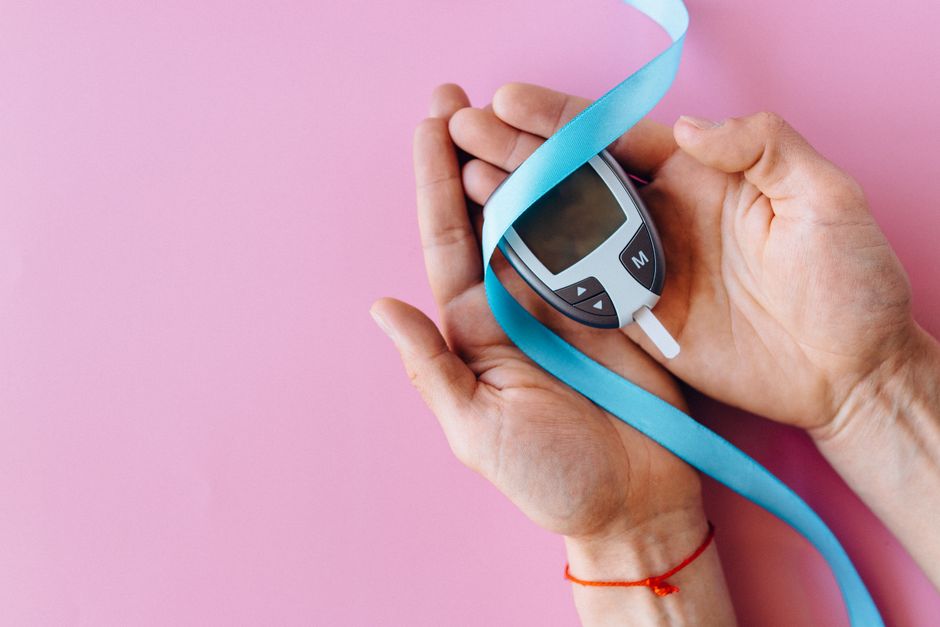
The Dexcom G6 is a continuous glucose monitoring system that measures glucose levels just beneath the skin and sends readings to a phone or receiver every five minutes. It uses a small wire-like sensor inserted under the skin and a reusable transmitter that sits on top of it. The system is designed to reduce or eliminate the need for routine fingerstick blood glucose checks for many users.
What Is The Dexcom G6 Sensor And How Does It Work?
The G6 sensor is a thin, flexible filament that sits in the fluid just under the skin, called interstitial fluid. A small applicator device pushes the filament in place, and the transmitter snaps on top. The sensor measures glucose in that fluid, not in blood directly.
Glucose in interstitial fluid tracks closely with blood glucose, but not perfectly. There is a short lag, typically a few minutes, between a change in blood glucose and a corresponding change in interstitial fluid. That lag matters most when glucose is rising or falling quickly.
The transmitter sends a wireless signal to a compatible smartphone app or a dedicated receiver. Readings update every five minutes. The system also sends alerts when glucose crosses high or low thresholds the user has set.
One detail that surprises many people: the G6 does not require fingerstick calibration for most users. Earlier continuous glucose monitors often required daily fingersticks to stay accurate. The G6 was designed to work without them, though fingersticks are still recommended in certain situations.
How Does the G6 Compare to Traditional Blood Glucose Meters?
A standard blood glucose meter measures glucose in a drop of blood from a fingerstick. It gives one number at one moment. To see a pattern, a person has to check many times a day, including overnight, which most people do not do.
A continuous monitor like the G6 measures automatically, around the clock. That produces a stream of readings rather than isolated snapshots. It can show what happens overnight, after meals, and during exercise without the user doing anything.
Both approaches measure glucose, but they measure it in different fluids. Blood glucose meters read whole blood. The G6 reads interstitial fluid. This is why the numbers can differ slightly, especially when glucose is changing fast.
A fingerstick meter is still the reference point when accuracy is in question. If a G6 reading does not match how a person feels, a fingerstick is the standard way to confirm it.
How Accurate Is the Dexcom G6?
The G6 is accurate enough for daily diabetes management and for making treatment decisions, according to the manufacturer and the clinical studies submitted for its regulatory clearance. Accuracy is usually described using a metric called MARD, or mean absolute relative difference. Lower MARD means closer agreement with a laboratory reference.
Accuracy is not a single fixed number. It varies by person, by sensor, and by the day. Readings tend to be most reliable when glucose is stable. They tend to be less reliable during rapid swings, in the first hours after a new sensor is placed, and in some people depending on where the sensor is worn.
The first day of a sensor session is often the least accurate. Many users notice readings settle in after the first several hours. The manufacturer’s guidance on when to trust a new sensor should be followed.
Certain substances and medications can interfere with some glucose sensors. Users should check the manufacturer’s list of known interfering substances and talk with their clinician about their own medications. This is not a minor point for anyone taking specific drugs that affect glucose measurement.





What Can the G6 Do That a Fingerstick Cannot?
The biggest practical difference is trend information. A single fingerstick tells you where glucose is right now. A continuous monitor tells you where it is and where it appears to be heading.
That direction matters. Two people can have the same glucose reading, but one is steady and the other is dropping fast. The trend arrow on the G6 shows which way glucose is moving. This can help users act before a low or high develops.
- Alerts for low and high glucose, including while sleeping
- Trend arrows showing the direction and speed of change
- Share features that let a family member or caregiver follow readings remotely
- Reports that summarize time spent in range, high, and low over days and weeks
These features are tools, not replacements for judgment. The alerts only help if the user responds to them, and the data only helps if someone reviews it with a clinician.
What Are the Limitations and Downsides?
The G6 is not a set-and-forget device. Sensors need to be replaced on a schedule set by the manufacturer, and the transmitter has its own replacement interval. Insertion sites need to rotate to avoid skin irritation and other site problems.
Skin reactions are a real issue for some users. Adhesives can cause irritation, and repeated use in the same area can lead to skin changes. Anyone with persistent skin problems at sensor sites should talk with their clinician.
There is also a data burden. Constant readings and alerts can feel overwhelming, and some users experience alert fatigue, where frequent alarms get tuned out. This is a recognized issue with continuous monitoring, not a personal failing.
Cost and insurance coverage vary widely. Coverage depends on the person’s diagnosis, insurer, and plan. Anyone considering a G6 should check coverage directly rather than assuming it will be covered.
The G6 is not approved for every population. Use in pregnancy, in young children, and in some clinical situations should be discussed with a clinician, because the evidence and labeling differ by group.
Who Uses a Dexcom G6?
The G6 is used mainly by people with diabetes who need to track glucose closely. That includes people with type 1 diabetes and some people with type 2 diabetes, particularly those who use insulin.
It is also used by some people who do not use insulin but want more detailed glucose information. Whether that is appropriate depends on the individual and their clinician. Continuous monitoring is not automatically better for everyone.
The device is sometimes paired with automated insulin delivery systems, where the monitor’s readings help adjust insulin delivery. This is a growing area, and the specific combinations and approvals change over time.
Does the G6 Replace Fingersticks?
For many users, the G6 can replace routine fingerstick checks for daily management. This was a key design goal and a major difference from earlier monitors.
It does not replace fingersticks in every situation. When a reading does not match symptoms, when a reading seems wrong, or when the system prompts for a confirmation check, a fingerstick is still the standard. Users should follow the manufacturer’s guidance and their clinician’s instructions on when fingersticks remain necessary.
It is also worth being clear about what the G6 is not. It is not a cure, not a treatment, and not a substitute for medical care. It is a measurement tool. What a person does with the readings is what actually affects health.
Frequently Asked Questions
How often does the Dexcom G6 take a reading?
The G6 updates glucose readings every five minutes and sends them wirelessly to a phone or receiver. It also sends alerts when readings cross thresholds the user has set.
Do you still need to prick your finger with a Dexcom G6?
For many users, routine fingersticks are not required for daily management. Fingersticks are still recommended when a reading does not match symptoms or when the system prompts for confirmation.
Where does the Dexcom G6 measure glucose?
The G6 measures glucose in interstitial fluid, the fluid just under the skin, not in blood directly. Because of this, there can be a short lag between blood glucose changes and sensor readings.
Is the Dexcom G6 covered by insurance?
Coverage varies by diagnosis, insurer, and plan, and there is no single answer that applies to everyone. Users should check their own coverage directly before assuming it will be paid for.
