
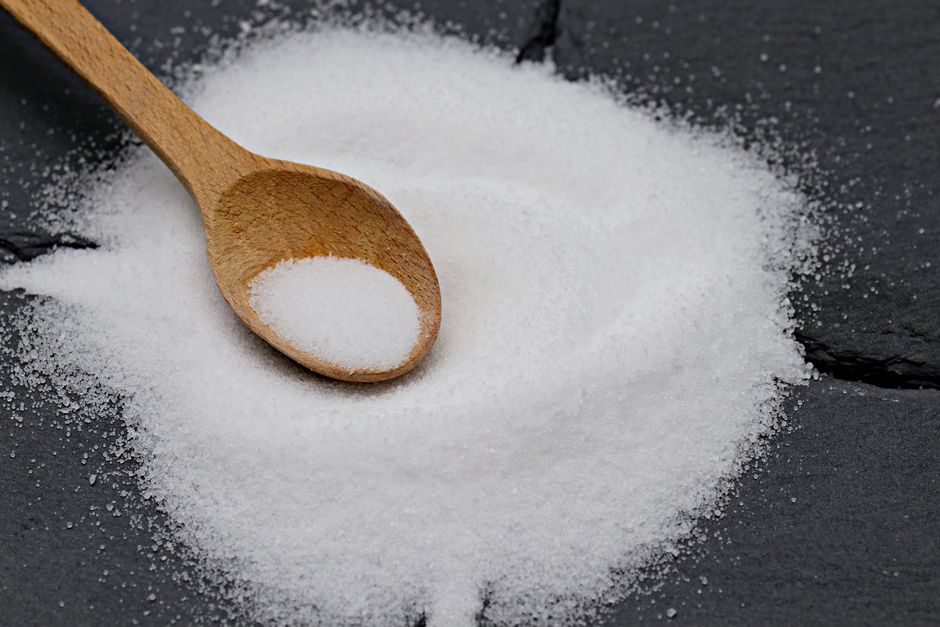
Most of the sodium we eat does not come from a salt shaker. It comes from bread, deli meat, canned soup, cheese, and restaurant meals. Federal dietary guidelines in the United States advise adults to keep sodium under 2,300 milligrams a day, which is about one teaspoon of table salt. The average American adult takes in closer to 3,400 milligrams daily, so most people are well above the recommended limit without realizing it.
What Is The Daily Sodium Intake?
The daily sodium intake guideline for most adults is less than 2,300 milligrams per day. That number comes from the Dietary Guidelines for Americans and is the same limit used on Nutrition Facts labels.
Sodium and salt are not the same thing, and this trips people up. Salt is sodium chloride. By weight, salt is about 40% sodium and 60% chloride. So 2,300 milligrams of sodium equals roughly 5,750 milligrams of salt, or about one level teaspoon of table salt. When a label says “sodium,” it is counting only the sodium part.
The 2,300 milligram figure is a limit, not a target. Your body needs some sodium to work properly. It helps control fluid balance, supports nerve signaling, and helps muscles contract. The problem is dose. Most people eat far more than the body needs.
Where the 2,300 milligram number comes from
The 2,300 milligram limit traces back to a well-established relationship between high sodium intake and elevated blood pressure. It is not a precise biological requirement. It is a public health ceiling designed to lower risk across a whole population.
For people with high blood pressure, the American Heart Association suggests moving toward 1,500 milligrams a day, which tends to lower blood pressure further. That is a more aggressive target and is not necessary for everyone.
How Much Sodium Do Most People Actually Eat?
Most American adults eat about 3,400 milligrams of sodium a day. That is well above the 2,300 milligram guideline and roughly double the amount the body actually needs to function.
The gap is not caused by heavy-handed salting at the dinner table. Roughly 70% of dietary sodium in the U.S. comes from packaged foods and restaurant meals. Only a small share comes from salt added during cooking or at the table.
This matters because it changes where you should look. Cutting back on table salt helps a little. Reading labels and cooking more meals at home helps far more.
Which Foods Are Highest in Sodium?
The biggest sodium sources are not always the saltiest-tasting foods. Some of the highest contributors are foods people think of as healthy or neutral.
- Bread and rolls. A single slice may have 150 milligrams or more. Several slices a day adds up fast.
- Deli meat and cured meats. Ham, turkey, bacon, and sausage are heavily salted during processing.
- Canned soup and broth. A single can of soup can hold close to a full day’s limit.
- Cheese. Especially processed cheeses and cheese spreads.
- Restaurant and fast food. A single entrée can exceed 2,000 milligrams.
- Condiments and sauces. Soy sauce, salad dressing, and ketchup all carry sodium.
- Frozen meals and pizza. Convenience foods are consistently high.
One useful insight: taste is a poor guide to sodium content. A salty-tasting potato chip and a slice of bread can carry similar sodium per serving. The bread just does not taste salty because the sodium is baked in and balanced by other flavors.
How Does Sodium Affect Blood Pressure?
High sodium intake raises blood pressure in many people. The mechanism is well established: extra sodium pulls water into the bloodstream, which increases the volume of blood your heart must push through your arteries.
Over time, this added pressure strains the blood vessels and the heart. High blood pressure is a leading risk factor for heart disease and stroke, two of the top causes of death in the U.S.
Not everyone responds to sodium the same way. Some people are “salt sensitive” and see a larger jump in blood pressure when they eat more sodium. Others respond less. Salt sensitivity is more common in older adults, Black adults, and people who already have high blood pressure. Researchers cannot yet predict who is salt sensitive without testing, so the general advice applies broadly.
The reverse is also true. Cutting sodium tends to lower blood pressure, and the effect is largest in people whose pressure is already high. This is one of the more consistent findings in nutrition research.
What Are the Official Daily Sodium Recommendations?
Recommendations vary by age and health status. Here is how the main guidance lines up.
| Group | Daily Sodium Guidance |
|---|---|
| Adults (general) | Less than 2,300 mg |
| Adults with high blood pressure | Toward 1,500 mg (American Heart Association) |
| Children | Lower than adults; varies by age |
| Infants under 1 year | Very low; breast milk and formula meet needs |
For children, the recommended limits scale up with age and are lower than the adult figure. Infants need very little sodium, and breast milk or standard infant formula provides what they need. No clinical guidelines support adding salt to an infant’s food.
For pregnant and breastfeeding women, sodium needs do not increase in a way that requires higher intake. Standard adult guidance generally applies, but anyone with a pregnancy-related condition such as high blood pressure should follow their clinician’s advice rather than general numbers.
How Can You Reduce Sodium Without Losing Flavor?
Reducing sodium works best as a gradual shift, not a sudden cut. Your taste buds adjust over a few weeks, and foods that once tasted normal start to taste too salty.
- Read the Nutrition Facts label and compare the sodium per serving across similar products.
- Choose “no salt added” or “low sodium” versions of canned beans, vegetables, and broth.
- Rinse canned beans and vegetables, which removes some surface sodium.
- Cook more meals at home, where you control the salt.
- Flavor food with herbs, spices, citrus, garlic, and vinegar instead of relying on salt.
- Limit processed meats and convenience foods rather than trying to eliminate all sodium.
Label claims have specific meanings. “Low sodium” means 140 milligrams or less per serving. “No salt added” does not mean sodium-free, because the food may naturally contain sodium. Knowing these definitions helps you compare products honestly.
Watch for products marketed as “sea salt” or “Himalayan salt.” These are still sodium chloride and carry essentially the same sodium load as regular table salt. They are not a lower-sodium choice.
Is Cutting Sodium Always Necessary?
Not everyone needs to chase the lowest possible number. Some people have normal blood pressure, are physically active, and sweat heavily, which increases sodium loss. Endurance athletes and people doing hard labor in heat can lose meaningful sodium through sweat.
Still, the general population eats far more sodium than it needs, and the average intake sits well above guidelines. For most adults, modest reduction is reasonable and low risk. People with high blood pressure, heart failure, or kidney disease should talk with their clinician about a specific target, because their needs and risks differ.
The evidence here is strongest for the link between high sodium and high blood pressure, and between high blood pressure and cardiovascular risk. The evidence for very low sodium targets in everyone is less settled, and some research has raised questions about whether extremely low intake is beneficial for all groups. That debate is ongoing, which is why the general guidance is a moderate ceiling rather than a push toward zero.
Frequently Asked Questions
How much sodium should I eat per day?
Most adults should keep sodium under 2,300 milligrams a day, which is about one teaspoon of salt. People with high blood pressure may benefit from aiming closer to 1,500 milligrams.
Is 2,300 mg of sodium a lot?
It is a moderate daily ceiling, not a small amount. A single restaurant meal or can of soup can approach or exceed the full 2,300 milligram limit.
What happens if you eat too much sodium?
Extra sodium pulls water into the bloodstream and can raise blood pressure, especially in salt-sensitive people. Over time, high blood pressure raises the risk of heart disease and stroke.
Does drinking more water flush out sodium?
Your kidneys regulate sodium and excrete excess in urine, and drinking water supports that process. Water does not cancel out a consistently high-sodium diet, so reducing intake matters more than drinking extra fluid.
