
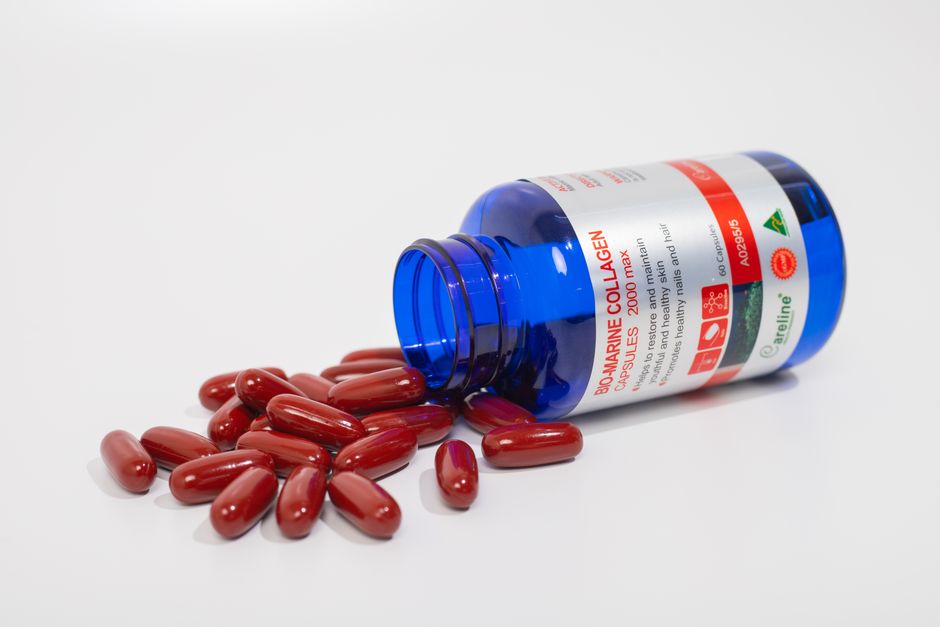
Collagenase is a naturally occurring enzyme in the human body that breaks down collagen, the main structural protein in your skin, tendons, ligaments, and bones. Think of it as a pair of molecular scissors that specifically targets and cuts collagen fibers. This process is essential for normal tissue repair, growth, and remodeling, but it also plays a role in certain diseases when it becomes overactive.
In medicine, a lab-made version of this enzyme is used as a treatment. Doctors inject it into specific areas to break down unwanted collagen, such as in scar tissue or herniated discs. Understanding how this enzyme works helps explain both its vital role in health and its use as a targeted medical therapy.
How Does the Collagenase Enzyme Work in the Body?
Collagenase works by cleaving the peptide bonds in collagen. Collagen is a tough, rope-like protein made of three intertwined chains. The enzyme targets a specific sequence of amino acids and cuts through these chains, causing the collagen structure to unwind and fall apart.
This breakdown is a normal part of the body’s constant cycle of tissue maintenance. When you injure a muscle or tendon, the body sends collagenase to the damaged area to clear out old, broken collagen fibers. This clearing process makes room for new, healthy collagen to be laid down. Without this enzyme, wounds would not heal properly, and scar tissue would accumulate unchecked.
The body regulates collagenase tightly. It produces inhibitors that stop the enzyme when its job is done. When this balance is disrupted, problems occur. Too much collagenase activity can lead to excessive tissue breakdown, which is seen in conditions like periodontitis, where the gums lose their attachment to the teeth.
What Is Collagenase Used For Medically?
Medical collagenase is derived from a bacterium called Clostridium histolyticum. This purified enzyme is manufactured under strict conditions and injected directly into the problem area. It is not a systemic drug; it works locally where it is injected.
The most common use is for Dupuytren’s contracture. This condition causes the tissue in the palm of the hand to thicken and form cords that pull fingers into a bent position. Injecting collagenase into these cords breaks them down, allowing the doctor to manipulate the finger and straighten it. Clinical trials have shown this treatment is effective for many patients, avoiding the need for surgery.
Another approved use is for Peyronie’s disease, a condition where scar tissue forms inside the penis, causing curvature and pain during erections. Injecting collagenase into this plaque can reduce the curvature in some men. The treatment is not a cure for everyone, and results vary, but it is a valid option for certain patients.
Collagenase is also used in wound care. It is applied as a topical ointment to remove dead tissue from chronic wounds, such as diabetic foot ulcers and pressure sores. This process, called debridement, helps the wound heal by clearing away non-viable tissue that could harbor infection.
What Are the Risks and Side Effects of Collagenase Treatment?
Collagenase injections are generally safe when given by trained specialists, but they carry real risks. The most common side effects are local. Patients typically experience pain, swelling, and bruising at the injection site. These effects usually resolve within a few days.
More serious complications are rare but possible. The most concerning is a tendon rupture. Because collagenase breaks down collagen, it can weaken a nearby tendon if the injection spreads to it. This risk is highest in the hand, where tendons are close to the surface. A ruptured tendon may require surgical repair.
Another potential complication is nerve or blood vessel damage at the injection site. This is uncommon but can cause numbness, tingling, or bleeding. Allergic reactions to the enzyme are possible, though they are infrequent. Patients with a known allergy to collagenase or to the bacterium it comes from should not receive this treatment.
It is important to note that collagenase does not discriminate between the collagen you want to remove and the collagen you want to keep. The enzyme breaks down all collagen in the injection area. This is why precise placement and dosing by a specialist are critical.




How Is Collagenase Different from Other Enzymes?
Many enzymes break down proteins, but collagenase is unique in its target. Most protein-digesting enzymes, like trypsin and pepsin, break down a wide range of proteins. Collagenase is specific to collagen, which has a unique triple-helix structure that most other enzymes cannot penetrate.
This specificity is what makes it useful in medicine. A general enzyme would cause too much collateral damage. Collagenase’s ability to target only collagen allows doctors to treat scar tissue and fibrotic cords without harming the surrounding muscle or skin.
It is also different from other collagen-targeting treatments. For example, some creams claim to “dissolve” collagen, but no topical product has been shown to penetrate the skin deeply enough to affect collagen in the way an injected enzyme does. Marketing claims about collagen-dissolving creams are not supported by clinical evidence.
Can You Increase or Decrease Collagenase Naturally?
Some supplements and foods are marketed as affecting collagenase activity. The evidence for these claims is limited. No food has been proven to directly increase or decrease collagenase levels in a way that changes disease outcomes.
Vitamin C is essential for collagen synthesis, but it does not directly regulate collagenase. Some studies suggest that certain plant compounds, like those found in green tea, may inhibit collagenase activity in a lab setting. However, these findings have not been confirmed in human trials, and the effect of drinking green tea on collagenase activity in the body is unknown.
What is well established is that chronic inflammation increases collagenase activity. Conditions like rheumatoid arthritis involve high levels of inflammatory chemicals that stimulate collagenase production, leading to joint damage. Managing inflammation through established medical treatments can indirectly reduce excessive collagen breakdown.
There is no reliable natural way to selectively increase collagenase in a specific tissue. The medical use of this enzyme requires injection precisely because oral or topical forms cannot deliver a controlled dose to a specific location.
What Conditions Are Being Studied for Collagenase Treatment?
Researchers are investigating collagenase for several other conditions where excess collagen causes problems. One area of interest is frozen shoulder, also called adhesive capsulitis. This condition involves thickening and scarring of the shoulder joint capsule. Small studies have tested collagenase injections for frozen shoulder, but results so far have been mixed, and it is not an approved treatment for this condition.
Another area is cellulite. The dimpled appearance of cellulite is partly caused by fibrous bands pulling on the skin. Some companies have tested collagenase injections to break these bands. Early studies showed some improvement, but the treatment has not been widely adopted, and long-term safety data is limited.
There is also research into using collagenase for hypertrophic scars and keloids, which are raised, thick scars. The idea is that breaking down the excess collagen in these scars could flatten them. Some case reports and small studies suggest possible benefit, but larger trials are needed before this becomes a standard treatment.
It is important to understand that being studied does not mean being proven. Many experimental uses of collagenase have not shown clear benefit in controlled trials. Patients should be cautious about seeking collagenase treatment for unapproved conditions outside of formal research studies.
Who Should Not Receive Collagenase Injections?
Collagenase is not appropriate for everyone. People with a known allergy to collagenase or to Clostridium histolyticum should not receive it. Patients with bleeding disorders or those taking blood thinners face a higher risk of bleeding complications and may not be good candidates.
Pregnant or breastfeeding women should not receive collagenase injections because no safety data exists for this population. The manufacturer advises against its use in these groups. Similarly, children have not been studied with this treatment, so it is not recommended for them.
People with active infections at the injection site should wait until the infection clears. Those with poor blood flow to the area being treated also carry higher risks. A specialist will evaluate each patient individually to weigh the potential benefits against the risks.
How Long Does Collagenase Treatment Take to Work?
The timeline varies by condition. For Dupuytren’s contracture, the injection is given in the office, and the doctor typically manipulates the finger the next day to break the already-weakened cord. Most patients see improvement within a few days to a week after the procedure.
For Peyronie’s disease, the treatment course is longer. Patients usually receive up to eight injections over several months. Curvature improvement is gradual and may not be noticeable until several injections have been given. Some patients see no improvement at all.
For wound debridement, the enzyme is applied daily or every other day. Dead tissue begins to break down within days, but the full effect depends on the wound size and depth. The goal is to prepare the wound bed for healing, which then takes additional time.
It is also worth noting that collagenase treatment does not prevent the condition from returning. Dupuytren’s contracture can recur after successful treatment, and the underlying tendency to form scar tissue remains. Collagenase addresses the current problem but does not alter the disease process.
Frequently Asked Questions
Is collagenase the same as collagen?
No. Collagen is the protein that provides structure to your tissues. Collagenase is the enzyme that breaks collagen down. They are completely different molecules with opposite functions.
Does collagenase hurt when injected?
Most patients report discomfort during the injection and significant soreness afterward. The pain is usually manageable with over-the-counter pain relievers and resolves within a few days.
Can collagenase be taken as a pill?
No. Collagenase must be injected directly into the target tissue. If taken orally, the enzyme would be broken down in the digestive tract and could not reach the intended area.
Is collagenase treatment covered by insurance?
Coverage varies by plan and condition. Treatments for FDA-approved uses like Dupuytren’s contracture are often covered, but coverage for experimental or off-label uses is less certain. Check with your insurance provider before starting treatment.
