
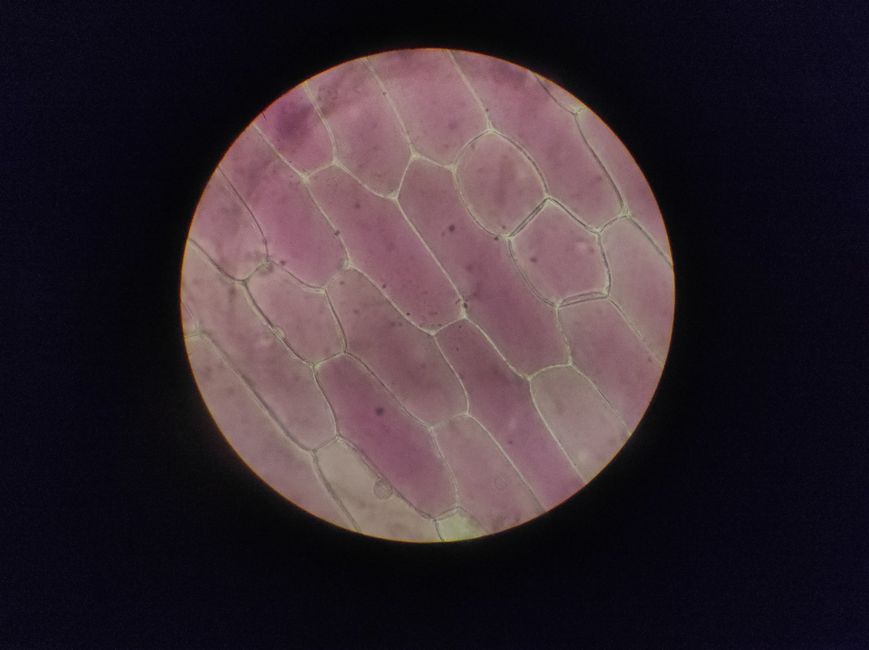
Every living thing on Earth is built from cells. Your body contains trillions of them. Each cell is a self-contained unit with a specific structure. Understanding the cellular composition of a cell means knowing what parts make it up and what each part does. The basic components include the cell membrane, the cytoplasm, and the nucleus. The membrane is the outer barrier. The cytoplasm is the fluid filling the cell. The nucleus holds the genetic material. Together, these parts carry out all the functions needed for life.
What Is The Cellular Composition Of A Cell?
The cellular composition of a cell refers to the specific parts and molecules that form it. All cells share three main regions: the plasma membrane, the cytoplasm, and the nucleus (in eukaryotic cells). The plasma membrane is a thin, flexible barrier. It controls what enters and leaves the cell. The cytoplasm is a jelly-like substance inside the membrane. It contains the organelles and the cytoskeleton. The nucleus is the control center. It stores DNA and directs cell activities.
Cells also contain water, proteins, lipids, carbohydrates, and nucleic acids. Water makes up most of the cell’s mass. Proteins do most of the work. Lipids form the membranes. Carbohydrates provide energy and structure. Nucleic acids store and transmit genetic information. This composition is consistent across the human body, though different cell types have different amounts of each component.
What Are The Main Organelles Inside A Cell?
Organelles are the specialized structures inside a cell. Each one performs a specific job. Think of them as the organs of the cell. They float in the cytoplasm and work together to keep the cell alive.
- Mitochondria produce energy. They convert nutrients into ATP, the cell’s main energy currency.
- Ribosomes build proteins. They read genetic instructions and assemble amino acids into chains.
- Endoplasmic reticulum (ER) processes proteins and lipids. The rough ER has ribosomes attached. The smooth ER does not.
- Golgi apparatus packages and ships proteins. It modifies them and sends them to their destinations.
- Lysosomes break down waste. They contain digestive enzymes that recycle damaged parts.
- Peroxisomes neutralize toxins. They break down fatty acids and hydrogen peroxide.
Not every organelle appears in every cell type. Red blood cells, for example, lack a nucleus and most organelles. Muscle cells contain many mitochondria because they need large amounts of energy. The presence and number of organelles reflect the cell’s specific function.
What Is The Role Of The Cell Membrane?
The cell membrane, also called the plasma membrane, is the outermost boundary of the cell. It is made of a double layer of phospholipids. Proteins are embedded within this layer. Carbohydrates attach to some of these proteins and lipids on the outer surface.
This structure is often described as a fluid mosaic. The lipids and proteins move laterally, giving the membrane flexibility. The membrane is selectively permeable. That means it allows some substances to pass through but blocks others. Small molecules like oxygen and carbon dioxide pass through easily. Larger molecules and charged ions need transport proteins to cross.
The membrane also plays a role in communication. Receptor proteins on the surface detect signals from other cells. This allows cells to respond to hormones and other chemical messages. Cell adhesion molecules help cells stick to each other, forming tissues. The membrane is not just a bag. It is an active participant in nearly every cellular process.





What Is Inside The Nucleus?
The nucleus is the largest organelle in most cells. It is surrounded by a double membrane called the nuclear envelope. This envelope has pores that allow material to move between the nucleus and the cytoplasm.
Inside the nucleus is the genetic material, DNA. DNA is organized into structures called chromosomes. Human cells have 46 chromosomes in 23 pairs. The DNA contains genes, which hold the instructions for building proteins. When a cell needs a specific protein, it copies the relevant gene into messenger RNA. This mRNA leaves the nucleus through the pores. Ribosomes in the cytoplasm then read the mRNA to build the protein.
The nucleus also contains a structure called the nucleolus. The nucleolus produces ribosomes. It assembles ribosomal RNA with proteins. These ribosomes then move out to the cytoplasm where they carry out protein synthesis. The nucleus orchestrates all these activities. It tells the cell when to divide, when to grow, and when to die.
What Is The Cytoplasm And The Cytoskeleton?
The cytoplasm is everything inside the cell membrane except the nucleus. It includes the fluid portion, called the cytosol, and the organelles suspended in it. The cytosol is mostly water but contains dissolved ions, small molecules, and proteins. Many metabolic reactions happen directly in the cytosol, including the first steps of breaking down glucose.
The cytoskeleton is a network of protein fibers running through the cytoplasm. It gives the cell its shape and provides structural support. It also acts like a highway system. Motor proteins carry vesicles and organelles along these fibers to different parts of the cell.
Three types of fibers make up the cytoskeleton. Microfilaments are the thinnest and help with cell movement and muscle contraction. Intermediate filaments provide mechanical strength. Microtubules are the thickest and form tracks for transport. They also form the spindle fibers that separate chromosomes during cell division. The cytoskeleton is not a fixed structure. It constantly assembles and disassembles as the cell changes shape or moves.
How Do Cells Differ From Each Other?
Not all cells are the same. The human body contains over 200 different cell types. Each type has a specialized structure that matches its function. This is called differentiation.
Nerve cells, or neurons, are long and thin. They transmit electrical signals over long distances. Their shape allows rapid communication between the brain and the rest of the body. Muscle cells are packed with mitochondria and contractile proteins. They generate force and movement. Skin cells are flat and tightly packed. They form a protective barrier against the environment.
Red blood cells have a unique shape. They are biconcave discs, thinner in the center than at the edges. This shape increases surface area for oxygen exchange. It also allows them to squeeze through narrow capillaries. White blood cells are different again. They can change shape to surround and engulf pathogens.
Even cells of the same type can differ. A liver cell and a brain cell both contain the same DNA. But they use different genes. A liver cell expresses genes for detoxifying chemicals. A brain cell expresses genes for producing neurotransmitters. This selective gene expression is what makes each cell type distinct.
What Are Stem Cells?
Stem cells are unspecialized cells. They have not yet committed to a specific function. Two properties define them. First, they can divide to make more stem cells. This is called self-renewal. Second, they can develop into specialized cell types. This is called differentiation.
Stem cells exist throughout life. In adults, they are found in bone marrow, skin, and the intestine. These adult stem cells replace cells that die or are damaged. For example, skin stem cells constantly produce new skin cells to replace those shed from the surface. Blood stem cells in the bone marrow produce red and white blood cells throughout life.
Embryonic stem cells come from early embryos. They are pluripotent, meaning they can become any cell type in the body. Adult stem cells are more limited. They typically only become the cell types of their tissue of origin. Researchers study both types to understand development and to find new treatments for disease.
What Happens When Cellular Composition Goes Wrong?
Diseases often start with a change in cellular structure or function. Cancer is a clear example. Normal cells follow rules about when to divide and when to stop. Cancer cells lose these rules. They divide uncontrollably and can invade other tissues. These changes come from mutations in genes that control cell growth and division.
Other diseases involve organelle dysfunction. Mitochondrial diseases occur when mitochondria cannot produce enough energy. This affects organs with high energy demands, like the heart, brain, and muscles. Lysosomal storage diseases happen when lysosomes lack certain enzymes. Waste material builds up inside cells and causes damage.
Some conditions involve the cell membrane. Cystic fibrosis is caused by a defect in a membrane protein. This protein normally transports chloride ions. Without it working properly, thick mucus builds up in the lungs and other organs. These examples show how the precise composition of a cell matters. Small changes in one component can have widespread effects on health.
Frequently Asked Questions
What is the difference between prokaryotic and eukaryotic cells?
Prokaryotic cells lack a nucleus and membrane-bound organelles, while eukaryotic cells have both. Bacteria are prokaryotes. Plant and animal cells are eukaryotes.
Which organelle produces energy for the cell?
Mitochondria produce most of the cell’s energy in the form of ATP. Cells that need more energy contain more mitochondria.
How many chromosomes do human cells have?
Human body cells have 46 chromosomes arranged in 23 pairs. Sex cells, sperm and eggs, have 23 chromosomes each.
What is the function of ribosomes?
Ribosomes build proteins by linking amino acids together. They read messenger RNA instructions to determine the correct order of amino acids.
