
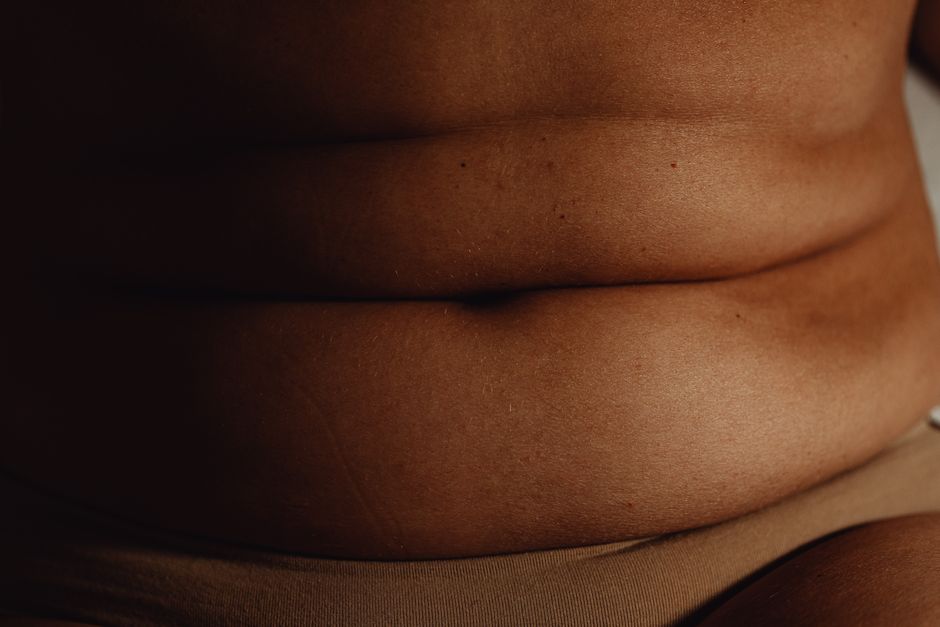
The skin is the body’s largest organ. In an average adult it covers roughly 1.5 to 2 square meters and accounts for about 15 percent of total body weight. It is not a simple wrapper around the body. It is a living, layered organ that regulates temperature, blocks pathogens, makes vitamin D, and lets you feel a mosquito land on your arm.
Most people think of organs as internal — heart, liver, lungs. The skin is easy to overlook because it is always visible. Yet it does more continuous work than almost any other organ, and it renews itself constantly from the inside out.
What Is The Body’S Largest Organ And How Is It Built?
The skin has three main layers, and each one does a different job.
The epidermis is the outer layer you can see and touch. It is thin — on most of the body, thinner than a sheet of paper folded a few times — but it is the body’s first line of defense. Its outer cells are packed with keratin, a tough protein that resists water, chemicals, and microbes. These cells are dead by the time they reach the surface, and they flake off by the thousands every minute. New ones are pushed up from below to replace them.
The dermis sits underneath. This is the thick, living middle layer. It holds blood vessels, nerve endings, sweat glands, hair follicles, and collagen — the protein that gives skin its strength and stretch. The dermis is where most skin problems actually start, from scars to pressure sores.
The hypodermis is the deepest layer, made mostly of fat and connective tissue. It cushions the body, insulates it against cold, and anchors the skin to the muscle and bone beneath.
One detail that surprises people: skin is not the same thickness everywhere. It is thinnest on the eyelids and thickest on the soles of the feet and the palms of the hands. That is why the same injury behaves differently depending on where it happens.
What Does The Skin Actually Do?
The skin performs several jobs at once, and most of them happen without you noticing.
It blocks the outside world. Intact skin is a physical barrier that keeps bacteria, viruses, and fungi out. It also holds water in. When skin is badly burned or injured over a large area, the loss of that barrier is a medical emergency — not because of pain, but because of infection risk and fluid loss.
It controls body temperature. When you get hot, blood vessels in the skin widen and sweat glands release fluid that cools you as it evaporates. When you get cold, those vessels narrow to keep heat in the core. This is one of the body’s main thermostat systems.
It makes vitamin D. When sunlight hits the skin, a form of cholesterol in the skin is converted into a vitamin D precursor. That compound then travels to the liver and kidneys to become active vitamin D. This is the main natural route for vitamin D production in most people.
It senses the world. Nerve endings in the skin detect touch, pressure, vibration, temperature, and pain. This is how you feel a coin in your pocket or notice a drop in temperature before you see anything.
It heals itself. When skin is cut, the body sends clotting factors, immune cells, and new tissue to close the gap. Small wounds can heal in days. Larger or deeper wounds take longer and may leave a scar.
How Does Skin Compare To Other Organs?
Size depends on how you measure it. By surface area and by weight, the skin is clearly the largest organ in the body. The liver is the largest internal organ and the heaviest single solid organ, but it weighs less than the skin does overall.
Here is a rough comparison for an average adult:
| Organ | Approximate weight | Type |
|---|---|---|
| Skin | About 15% of body weight (roughly 9–11 kg in a 70 kg adult) | External organ system |
| Liver | About 1.5 kg | Largest internal solid organ |
| Brain | About 1.3–1.4 kg | Internal organ |
| Lungs | About 1 kg combined | Internal organs |
These figures are averages and vary widely with body size, age, and body composition. The point is scale: the skin is not a close contest. It is the largest organ by a wide margin.





How Fast Does Skin Renew Itself?
Skin replaces itself continuously. Cells in the deepest part of the epidermis divide and push older cells upward. By the time a cell reaches the surface and flakes off, it is fully keratinized and dead.
The full cycle — from new cell at the base to shed cell at the surface — takes roughly a month in young adults. That timeline slows with age. In older adults, the turnover can take considerably longer, which is part of why skin thins and heals more slowly over time.
This renewal is also why some skin treatments take weeks to show results. A cream cannot change cells that are already at the surface. It has to work on the layers beneath and wait for new cells to arrive. Any product promising overnight structural change is not describing how skin biology works.
Why Does Skin Age, And What Changes?
Skin aging comes from two separate processes that overlap.
Intrinsic aging is genetic and happens to everyone. Collagen and elastin production decline over decades. The dermis gets thinner. Fat in the hypodermis is lost in some areas, which is why faces look more angular with age. Sweat glands and oil glands become less active, so skin dries out more easily.
Extrinsic aging comes from outside factors, mainly ultraviolet (UV) radiation from the sun. UV light damages collagen fibers and can cause changes in skin cell DNA. This is why sun-exposed skin — face, hands, forearms — usually looks older than skin that is rarely exposed. Smoking also accelerates skin aging, though the exact mechanisms are still being studied.
Sun protection is the single most supported way to slow visible skin aging. That is not marketing. It reflects decades of research on UV damage. Broad-spectrum sunscreen, shade, and protective clothing all reduce UV exposure.
What about anti-aging creams and supplements? The evidence is mixed and varies by ingredient. Some topical retinoids have reasonable evidence for improving fine lines and texture. Many other products have little or no human trial support. No cream reverses skin aging, and no supplement has been shown to do so in large trials. Be skeptical of any product that claims otherwise.
What Can Damage The Skin Barrier?
The skin barrier is the outer layer’s ability to keep water in and irritants out. It can be weakened by several common things.
- Frequent washing with harsh soaps, which strips oils from the surface
- Long hot showers, which can dry and irritate skin
- Overuse of exfoliants, which remove protective surface cells faster than they can be replaced
- Cold, dry air, which increases water loss from the skin
- Certain medical conditions, such as eczema, which directly affect barrier function
When the barrier is compromised, skin becomes dry, itchy, and more sensitive. It also becomes easier for irritants and allergens to get in. A simple moisturizer can help restore the barrier by trapping water and adding lipids to the surface.
It is worth knowing that “hydrating” and “moisturizing” are not the same thing. Hydrators pull water into the skin. Moisturizers trap water and replace oils. Many products do both, but the distinction explains why some people need richer creams and others do fine with lighter lotions.
When Should You See A Doctor About Your Skin?
Most skin changes are harmless. Some are not, and the difference matters.
See a clinician for a skin spot that is new, changing in size, shape, or color, or that bleeds or does not heal. These are the general warning signs clinicians use when evaluating possible skin cancer. The earlier a suspicious spot is checked, the more options exist.
Also seek care for a wound that is not healing, spreading redness or warmth, or a rash that comes with fever. These can signal infection, which needs prompt treatment.
This article is informational only. It does not replace an examination by a qualified clinician. Skin conditions often look similar to one another, and a visual check by a trained eye is more reliable than any description.
Frequently Asked Questions
Is the skin the largest organ in the body?
Yes. By both surface area and total weight, the skin is the largest organ in the human body. It makes up roughly 15 percent of body weight in an average adult.
What are the three layers of skin called?
The three layers are the epidermis (outer), the dermis (middle), and the hypodermis (deepest). Each layer has a distinct structure and function.
How often does skin replace itself?
Skin cell turnover takes roughly a month in young adults. This process slows with age, so older skin renews more slowly.
Does the skin make vitamin D?
Yes. When sunlight reaches the skin, it triggers a chemical reaction that produces a vitamin D precursor. That compound is then processed by the liver and kidneys into active vitamin D.
