
Blood alcohol content (BAC) is the percentage of alcohol in your bloodstream, measured as grams of alcohol per 100 milliliters of blood. In the United States, a BAC of 0.08% is the legal limit for driving for adults 21 and older. Your BAC depends on how much you drink, how fast you drink, your body weight, and several other factors that are easy to underestimate.
What Is The Blood Alcohol Content and How Is It Measured?
BAC is a measurement, not a feeling. It tells you how much ethanol is circulating in your blood at a given moment. Ethanol is the type of alcohol in beer, wine, and liquor.
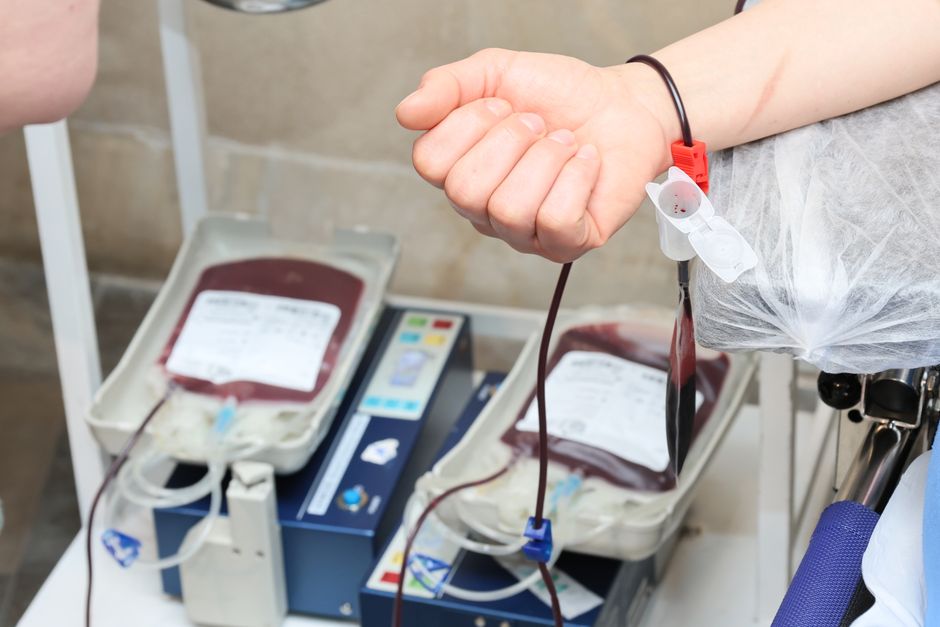
Two methods are used to measure it. A breath test estimates BAC by measuring alcohol in the air you exhale. A blood test measures it directly. Breath testing works because alcohol passes from your blood into your lungs, and the ratio between breath alcohol and blood alcohol is predictable enough for law enforcement and medical use.
The numbers are small but meaningful. A BAC of 0.08% means 0.08 grams of alcohol per 100 milliliters of blood. That is roughly the equivalent of about two standard drinks for a 160-pound man in one hour — though individual results vary widely.
What Counts as One Standard Drink?
A standard drink in the US contains about 14 grams of pure alcohol. That is the fixed reference point researchers and clinicians use, regardless of what is actually in your glass.
- 12 ounces of regular beer (about 5% alcohol)
- 5 ounces of wine (about 12% alcohol)
- 1.5 ounces of distilled spirits — vodka, whiskey, gin (about 40% alcohol)
The problem is that real-world pours rarely match these standards. A craft beer may be 8% alcohol. A restaurant pour of wine may be 6 ounces or more. A mixed cocktail may contain two or three shots. What feels like “one drink” can easily be two or three standard drinks.
This gap between perceived and actual consumption is one of the most common reasons people misjudge their own BAC.
What Factors Affect Your Blood Alcohol Content?
Many things influence how high your BAC rises and how fast it falls. Body weight and composition matter because alcohol distributes into body water. A person with more body water will have a lower BAC from the same amount of alcohol than a person with less.
Biological sex matters too. Women generally have a higher BAC than men after drinking the same amount, even at the same body weight. This is partly because women tend to have a higher proportion of body fat and less body water, so the same alcohol is more concentrated.
Other factors include:
- Speed of drinking. The liver can only process a limited amount of alcohol per hour. Drinking faster than that rate causes BAC to climb.
- Food in the stomach. Eating before or while drinking slows alcohol absorption. An empty stomach speeds it up.
- Liver health. A healthy liver metabolizes alcohol at a fairly consistent rate. Liver disease can slow this down.
- Medications. Some drugs interact with alcohol and affect how it is absorbed or metabolized.
- Age. Older adults may reach higher BAC levels from the same amount of alcohol due to changes in body composition and liver function.
- Genetics. Enzyme variations affect how quickly different people break down alcohol.
What does not affect BAC: coffee, cold showers, food after drinking, exercise, or fresh air. These may make someone feel more alert, but they do not lower BAC. The liver clears alcohol at its own pace no matter what else you do.


How Fast Does the Body Process Alcohol?
The liver metabolizes alcohol at roughly one standard drink per hour for most adults. This is an average. Individual rates vary, and some people process alcohol faster or slower than this.
This rate is fixed. You cannot speed it up. Drinking coffee does not help. Neither does eating, exercising, or taking a cold shower. The only thing that lowers BAC is time.
This is why someone can still be legally impaired hours after their last drink. If you have four drinks between 8 PM and 10 PM, your BAC may still be above the legal limit at midnight.
The rate of elimination matters for another reason. Alcohol is eliminated from the body at a predictable rate, but absorption can be unpredictable. This means BAC can continue to rise even after you stop drinking, especially if you drank on an empty stomach or consumed a large amount quickly.
What BAC Levels Mean for Impairment
Impairment begins at lower BAC levels than most people realize. Noticeable effects on judgment, coordination, and reaction time can appear at BAC levels below the legal driving limit.
| BAC Level | Typical Effects |
|---|---|
| 0.02% | Mild relaxation, slight loss of judgment, some decline in ability to track moving objects |
| 0.05% | Reduced coordination, impaired judgment, lowered alertness, exaggerated behavior |
| 0.08% | Legal driving limit in all US states. Poor muscle coordination, impaired reasoning and memory, reduced ability to detect danger |
| 0.15% | Major loss of balance and muscle control, vomiting may occur, significant impairment of all mental functions |
| 0.30% | Stupor, loss of consciousness possible, risk of choking on vomit, medical emergency |
These ranges are approximate and based on general patterns. Individual responses vary. Someone who drinks regularly may show fewer outward signs at a given BAC than someone who rarely drinks, but their impairment is still real.
Alcohol tolerance does not protect against impairment. It changes how you feel, not how alcohol affects your brain and body. A person with high tolerance can be just as impaired at 0.08% as someone with low tolerance — they may simply feel less affected.
Why the Legal Limit Is 0.08%
All 50 US states use 0.08% as the per se legal limit for driving. This means that at or above 0.08%, you are legally impaired regardless of how you feel or how well you think you are driving.
The 0.08% standard was established based on research showing that driving skills — including braking, steering, lane keeping, and attention — are significantly impaired at this level. Some states and jurisdictions have lower limits or enhanced penalties for commercial drivers and drivers under 21.
For commercial drivers, the federal limit is 0.04%. For drivers under 21, most states enforce zero-tolerance policies, meaning any measurable BAC can result in a violation.
Utah is the only state with a 0.05% legal limit for driving, which took effect in 2018. Research on the effects of that change is ongoing. Some studies suggest it reduced crash rates; other analyses are less conclusive.
Can You Lower Your BAC Quickly?
No. There is no safe or effective way to speed up alcohol elimination. The liver processes alcohol at a fixed rate, and that rate cannot be increased by drinking water, eating, exercising, or taking any supplement.
Drinking water can help with dehydration, which is a side effect of alcohol. It does not lower BAC. Eating food can slow absorption if done before or during drinking, but it does not accelerate elimination.
The only reliable way to lower BAC is to wait. This is why planning ahead — designating a driver, using rideshare services, or staying overnight — matters far more than trying to sober up after the fact.
Time is the only variable you can rely on.
What Is a Dangerous BAC?
Any BAC that impairs your ability to function safely is dangerous in the right context. Driving is the most obvious risk, but alcohol impairment also increases the risk of falls, drowning, burns, and other injuries.
At very high levels, alcohol can suppress the central nervous system enough to cause unconsciousness, slowed breathing, and death. The exact BAC at which this occurs varies by person, but levels above 0.30% are generally considered a medical emergency. Some people with heavy long-term alcohol use can function at BAC levels that would incapacitate others, but this does not mean those levels are safe.
Signs of alcohol poisoning include confusion, vomiting, seizures, slow or irregular breathing, pale or blue-tinged skin, and unconsciousness. If you suspect alcohol poisoning, call 911 immediately. Do not wait for the person to “sleep it off.”
How Does Alcohol Leave the Body?
About 90% of alcohol is broken down by the liver. The rest is excreted through urine, sweat, and breath — which is why breath tests work.
The liver uses two main enzymes to process alcohol: alcohol dehydrogenase (ADH) and aldehyde dehydrogenase (ALDH). ADH converts alcohol into acetaldehyde, a toxic compound. ALDH then converts acetaldehyde into acetate, which is harmless and eventually broken down into water and carbon dioxide.
Genetic differences in these enzymes affect how quickly people process alcohol. Some people of East Asian descent have a variant of ALDH that works slowly, causing acetaldehyde to build up. This leads to facial flushing, nausea, and rapid heartbeat after drinking. This variant is also associated with a lower risk of alcohol use disorder, likely because the unpleasant effects discourage drinking.
Frequently Asked Questions
What is a normal blood alcohol content?
There is no “normal” BAC — it depends entirely on how much you have had to drink. For driving purposes, 0.08% is the legal limit for adults 21 and older in most US states.
How many drinks does it take to reach 0.08% BAC?
It varies by body weight, sex, food intake, and speed of drinking. For a 160-pound man, roughly four standard drinks in two hours may bring BAC to around 0.08%. For a 120-pound woman, it may take fewer drinks.
Can you lower your BAC by drinking water or coffee?
No. Water and coffee do not lower BAC. Only time allows the liver to metabolize alcohol. Drinking water can help with dehydration, but it does not speed up elimination.
How long does alcohol stay in your system?
Alcohol is typically detectable in the blood for up to 6 hours after drinking, though this varies. Breath and urine tests may detect it longer. BAC itself peaks within 30 to 90 minutes after drinking and then declines at a rate of about 0.015% per hour for most people.
