
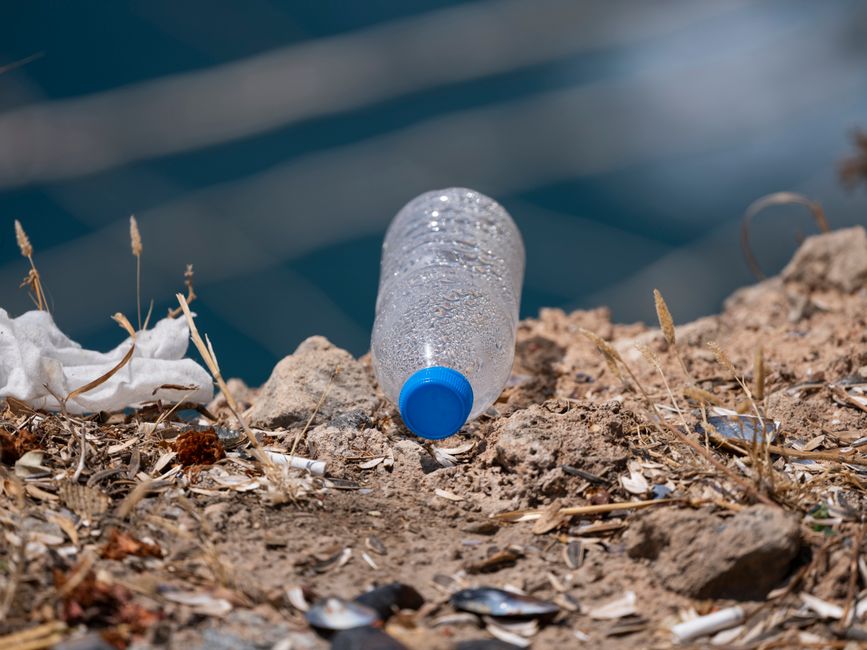
Plastic pollution is often what people picture first, but the biggest pollution problem in the world is air pollution. It causes millions of premature deaths each year and harms nearly every organ in the human body. While plastic in oceans gets the headlines, the air you breathe every day carries a heavier toll on global health.
What Is The Biggest Pollution Problem In The World?
Air pollution is the largest pollution problem on Earth. The World Health Organization estimates that virtually the entire global population breathes air that exceeds safe pollution limits. Fine particulate matter, known as PM2.5, is the most dangerous component because these tiny particles are small enough to enter your bloodstream.
These particles come from vehicle exhaust, industrial smokestacks, burning wood and coal, and agricultural activities. Once inhaled, they travel deep into lung tissue and cross into the bloodstream. The health consequences are not distant or theoretical — they are happening in cities and rural communities worldwide.
Why Air Pollution Outranks Plastic and Water Pollution
Plastic pollution is visible. You see it on beaches and in wildlife photos. Air pollution is often invisible, which makes it easier to ignore but harder to escape.
Water pollution affects specific regions and communities. Air pollution affects everyone. Wind carries pollutants across continents. Dust from the Sahara reaches the Americas. Industrial emissions from Asia travel to the West Coast of the United States. No single country can solve this problem alone.
The scale of harm is what separates air pollution from other types. Studies consistently show that air pollution contributes to heart disease, stroke, lung cancer, and chronic respiratory conditions. Children exposed to high pollution levels may have reduced lung development. Older adults face increased risk of cardiovascular events on days with poor air quality.
What Exactly Is PM2.5 and Why Does It Matter?
PM2.5 refers to particulate matter that measures 2.5 micrometers or smaller in diameter. For comparison, a human hair is about 70 micrometers wide. These particles are small enough to bypass your body’s natural defenses.
Your nose hairs and upper airway catch larger particles. PM2.5 slips past those filters and reaches the deepest parts of your lungs. From there, particles can enter your bloodstream. Once in circulation, they trigger inflammation throughout your body.
This inflammation is not harmless. Chronic exposure is linked to plaque buildup in arteries, increased blood pressure, and higher risk of blood clots. The evidence connecting PM2.5 exposure to cardiovascular disease is among the strongest in environmental health research.





How Does Air Pollution Affect the Human Body?
The effects start in the lungs but do not stop there. Short-term exposure can irritate your eyes, nose, and throat. It can trigger asthma attacks and worsen symptoms in people with chronic obstructive pulmonary disease, or COPD.
Long-term exposure is more serious. Research consistently links chronic air pollution exposure to lung cancer, even in people who never smoked. The International Agency for Research on Cancer classifies outdoor air pollution as a Group 1 carcinogen, meaning it is carcinogenic to humans. This is the same classification given to tobacco smoke and asbestos.
Cardiovascular effects are equally concerning. Studies have found that living near major roadways increases the risk of heart attacks and stroke. The mechanism involves oxidative stress and systemic inflammation. Your blood vessels respond to pollution particles by constricting and becoming less flexible.
Brain health is an emerging area of concern. Some research suggests that fine particles can reach the brain through the olfactory nerve, which connects your nose directly to brain tissue. Studies have linked air pollution exposure to cognitive decline and increased risk of dementia, though researchers are still determining the strength of this connection.
Who Is Most at Risk From Air Pollution?
Children are particularly vulnerable. Their lungs are still developing, and they breathe more air per pound of body weight than adults. Exposure during childhood can lead to reduced lung function that persists into adulthood.
Pregnant women face unique risks. Some studies suggest that exposure to high pollution levels during pregnancy is associated with lower birth weight and preterm birth. The evidence is consistent enough that many obstetricians now counsel patients about minimizing exposure during pregnancy.
Older adults with existing heart or lung conditions are at highest risk. A day with high pollution levels can trigger hospital admissions for heart failure or worsen angina. People with diabetes also appear more susceptible to the cardiovascular effects of pollution.
People with lower incomes face disproportionate exposure. Polluting facilities and major highways are often located near lower-income neighborhoods. This means the people least able to move or afford protective measures are often breathing the worst air.
What Are the Main Sources of Air Pollution?
Burning fossil fuels is the dominant source. Coal-fired power plants release sulfur dioxide, nitrogen oxides, and fine particles. Diesel engines are a major contributor to PM2.5 in urban areas. Gasoline vehicles add nitrogen dioxide and volatile organic compounds to the mix.
Household air pollution is a hidden major source. About three billion people cook and heat their homes by burning wood, charcoal, or animal dung indoors. This creates extremely high indoor pollution levels, particularly affecting women and children who spend more time near cooking areas.
Agriculture contributes more than most people realize. Ammonia from livestock waste and fertilizer reacts with other pollutants in the air to form fine particles. In some regions, agriculture rivals traffic as a major source of PM2.5.
Natural sources matter too. Wildfires, now more frequent and intense in many regions, release massive amounts of smoke and particulate matter. Dust storms from dry regions add to particle loads. These natural sources complicate efforts to reduce pollution because they cannot be regulated.
What Can Individuals Do to Reduce Exposure?
You cannot control the air quality outside your home, but you can reduce your personal exposure. Check local air quality indexes before outdoor activities. When pollution levels are high, reduce time spent outdoors and avoid strenuous exercise near busy roads.
Indoor air can be managed more directly. High-efficiency particulate air filters, known as HEPA filters, can reduce indoor particle concentrations. Portable air purifiers with HEPA filters are effective in single rooms. Keep windows closed on high-pollution days.
Do not rely on face masks unless they are specifically rated for particulate filtration. Cloth masks and surgical masks do not effectively block PM2.5. N95 respirators can help when worn properly, but they are not a long-term solution.
Avoid adding to indoor pollution. Do not smoke indoors. Ventilate when cooking with gas stoves. Some research suggests that gas stoves release nitrogen dioxide and fine particles, particularly when used without proper ventilation.
What Solutions Exist at the Policy Level?
Air quality regulations work. Research consistently shows that areas implementing stricter emission standards see measurable improvements in public health. The United States has seen significant reductions in common air pollutants since the Clean Air Act was strengthened in 1990, even as population and economic activity grew.
Transitioning from coal to cleaner energy sources produces immediate improvements. Studies of communities near retired coal plants show reduced hospitalizations and fewer premature deaths within years of closure.
Transportation policy matters. Expanding public transit, supporting electric vehicle adoption, and designing cities to reduce vehicle miles traveled all reduce emissions. Congestion pricing in urban centers has reduced traffic-related pollution in several cities where it has been implemented.
International cooperation is essential because pollution crosses borders. Agreements targeting specific pollutants, like the ones that successfully reduced ozone-depleting substances, show that coordinated global action can work.
Frequently Asked Questions
Is indoor air pollution worse than outdoor air pollution?
In many cases, yes. Indoor air can be two to five times more polluted than outdoor air, according to research from environmental agencies. This matters because most people spend roughly 90 percent of their time indoors.
Can air purifiers really help with air pollution?
HEPA-equipped air purifiers can meaningfully reduce indoor particle concentrations in the room where they operate. They are not a complete solution, but they can help people living in high-pollution areas or near major roadways.
How long does it take to see health improvements after air pollution drops?
Some benefits appear within weeks or months, particularly for respiratory symptoms. Full cardiovascular benefits may take several years of sustained improvement, but the direction of the evidence is clear — cleaner air improves health.
Does wearing a mask protect against air pollution?
Only respirators rated like N95 or higher provide meaningful protection against fine particulate matter. Cloth and surgical masks are not designed to block PM2.5 and offer limited protection.
