
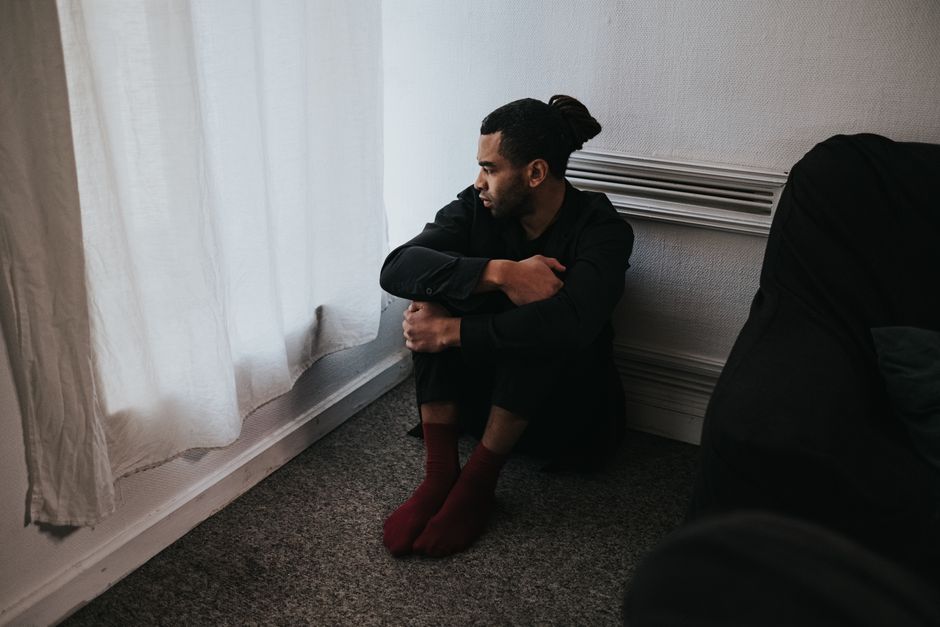
Agoraphobia is the intense fear of being in situations where escape might be difficult or help might not be available if something goes wrong. For many, this means avoiding crowded places, public transportation, or even leaving home entirely. The best treatment for agoraphobia is a structured form of talk therapy called cognitive behavioral therapy (CBT), specifically a component known as exposure therapy. In many cases, CBT is combined with medication, such as selective serotonin reuptake inhibitors (SSRIs), to manage severe symptoms. This combination approach is the most effective, evidence-based strategy for helping people regain their independence and quality of life.
What Does Cognitive Behavioral Therapy Involve?
Cognitive behavioral therapy is the first-line psychological treatment for agoraphobia. It works by addressing the two main drivers of the condition: the catastrophic thoughts about a situation and the avoidance behavior that follows.
The cognitive part helps you identify and challenge the specific fears. For example, a person might believe that if they have a panic attack in a supermarket, they will faint or have a heart attack. Therapy helps examine the evidence for these beliefs and reframe them into more realistic thoughts, such as “A panic attack is uncomfortable, but it is not dangerous.”
The behavioral part is where the real change happens. It involves gradually and repeatedly facing the feared situations. This process, called exposure therapy, teaches your brain that the situation is not actually a threat, which reduces the fear response over time. The goal is not to eliminate anxiety completely, but to learn that you can tolerate it without escaping.
Why Is Exposure Therapy the Core Component?
Exposure therapy is the most powerful tool within CBT for agoraphobia. The principle is straightforward: avoidance feeds fear. Every time you avoid a situation, your brain gets the message that the situation was dangerous. This reinforces the fear cycle.
In exposure therapy, you work with a therapist to build a “fear hierarchy.” This is a ranked list of situations, from mildly uncomfortable to terrifying. You start with the easiest scenario and work your way up. For someone with agoraphobia, this might start with standing near the front door, then walking to the end of the driveway, then driving around the block, and eventually taking a bus to a busy shopping center.
The key is to stay in the situation long enough for your anxiety to peak and then naturally decrease. This process, known as habituation, is how the brain learns to stop sounding the alarm. Research consistently shows that exposure therapy is highly effective, with many people seeing significant improvement in their ability to function.
Are There Other Types of Therapy That Help?
While CBT is the gold standard, other therapeutic approaches can be helpful, particularly if CBT is not available or if a person prefers a different style.
Acceptance and Commitment Therapy (ACT) is one such approach. Instead of trying to change the content of your thoughts, ACT focuses on accepting them without judgment. The goal is to commit to actions that align with your values, even when anxiety is present. For example, you might learn to say, “I notice I am having the thought that I am unsafe, and I am going to go to the store anyway because spending time with my family matters more to me.”
Some research suggests that ACT is a viable alternative to CBT, though CBT has a larger body of evidence supporting its use for agoraphobia specifically. A therapist may also incorporate elements of mindfulness-based stress reduction to help you ground yourself during moments of high anxiety.





What Medications Are Used for Agoraphobia?
Medication is often used alongside therapy, especially for people whose symptoms are severe enough to prevent them from engaging in daily life. The most commonly prescribed medications are antidepressants, particularly SSRIs like sertraline, fluoxetine, and paroxetine.
These drugs are not instant fixes. They work by gradually altering the balance of serotonin in the brain, which helps regulate mood and anxiety. It typically takes four to eight weeks to see a noticeable effect. They are not habit-forming, which makes them a safer long-term option than some other anxiety medications.
Another class of medication, called serotonin-norepinephrine reuptake inhibitors (SNRIs), such as venlafaxine, is also used. In some cases, doctors may prescribe short-term use of benzodiazepines like alprazolam or clonazepam for immediate relief during a crisis. However, these drugs carry a significant risk of dependence and are generally not recommended as a first-line treatment. They are usually reserved for occasional, short-term use while waiting for an antidepressant to take effect.
Medication alone is rarely the complete answer. The most durable results come from combining medication with exposure therapy. The medication reduces the intensity of the physical symptoms, which makes it easier to do the therapeutic work of facing fears.
How Long Does Treatment Take?
There is no single timeline that applies to everyone, but most people see meaningful progress within a few months. A typical course of CBT for agoraphobia involves weekly sessions for about 12 to 16 weeks. During this time, you will have daily “homework” assignments to practice exposure exercises on your own.
For people with more severe or long-standing agoraphobia, treatment may take longer. Some may need additional sessions to address underlying issues like panic disorder, which is a common companion to agoraphobia. The goal of treatment is not just to reduce symptoms, but to help you build a life where fear no longer dictates your choices.
Relapses can happen, particularly during stressful life events. This is normal and does not mean the treatment failed. Learning to recognize early warning signs and having a plan to return to exposure exercises can help you manage these setbacks.
Can Agoraphobia Be Treated Without Professional Help?
Some people attempt to treat agoraphobia on their own using self-help books or online programs. These resources can be a useful starting point, and some structured self-help programs based on CBT principles have shown effectiveness in research studies. They can help you understand the mechanics of anxiety and begin building a fear hierarchy.
However, self-guided treatment has limits. A therapist provides accountability, expertise, and a safe environment to process difficult emotions. They can also help you identify when a fear is based on a real threat versus an exaggerated one. If you are experiencing severe panic attacks, significant depression, or thoughts of self-harm, professional help is strongly recommended. Attempting to manage these issues alone can delay effective treatment and worsen the condition.
What Is The Best Treatment For Agoraphobia?
The best treatment for agoraphobia is a combination of cognitive behavioral therapy with a strong focus on exposure therapy, often paired with an SSRI medication for moderate to severe cases. This dual approach is supported by decades of clinical research and is the standard recommended by major psychiatric and psychological organizations.
The therapy component teaches you the skills to manage fear, while the medication provides the chemical stability needed to practice those skills. Neither alone is as effective as the combination. If you are seeking treatment, ask a mental health professional specifically about their experience with exposure therapy and whether medication might be a useful addition to your care plan.
What Are the First Steps to Getting Help?
The first step is to talk to your primary care doctor or a mental health professional. They can conduct a thorough assessment to confirm the diagnosis and rule out other medical conditions that might mimic anxiety symptoms, such as thyroid issues or heart problems.
When choosing a therapist, look for someone who specializes in anxiety disorders and uses cognitive behavioral therapy. Ask them directly about their approach to exposure therapy and how they structure treatment. A good therapist will be transparent about their methods and willing to explain the rationale behind them.
If cost or access is a barrier, consider telehealth options. Many licensed therapists now offer online sessions, which can be particularly helpful for someone with agoraphobia who struggles to leave the house. Online CBT programs have also been studied and found to be effective for many people.
Frequently Asked Questions
Is exposure therapy the same as flooding?
No. Exposure therapy is gradual and controlled, starting with mildly uncomfortable situations and progressing slowly. Flooding involves confronting the most feared situation immediately, which is rarely used because it is unnecessarily distressing.
How quickly do antidepressants work for agoraphobia?
Antidepressants like SSRIs typically take four to eight weeks to show a noticeable effect on anxiety symptoms. Full benefits may take up to twelve weeks.
Can you recover from agoraphobia completely?
Yes, many people recover fully and return to normal activities without significant residual fear. The risk of relapse exists, but the coping skills learned in therapy provide long-term protection.
Is medication alone enough to treat agoraphobia?
Medication can reduce symptoms, but it does not address the learned avoidance behavior. Therapy is essential for lasting recovery.
