
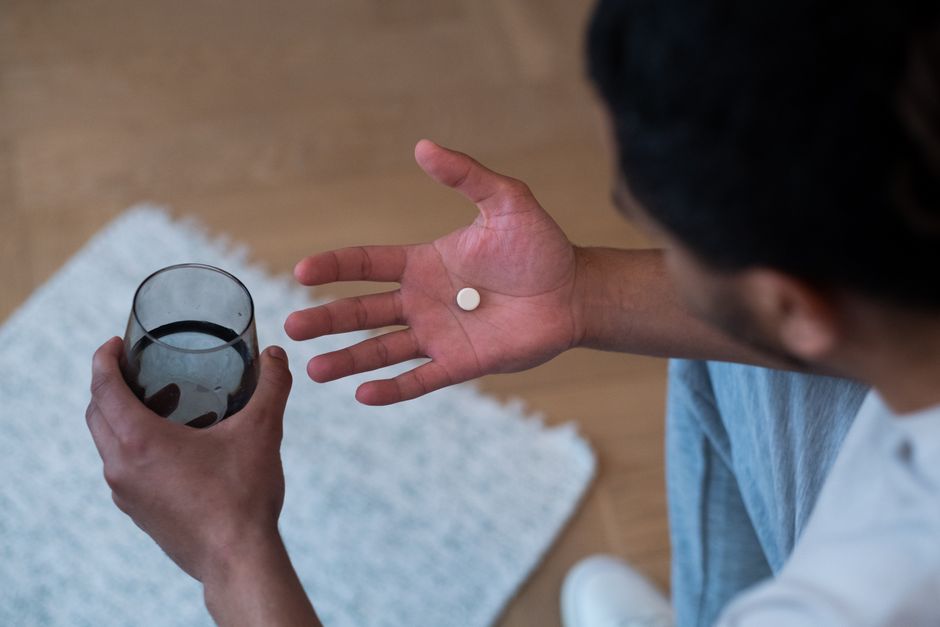
The best testosterone to take for TRT is the one your doctor prescribes based on your specific blood work and health profile. There is no single “best” form that works for everyone. Injectable testosterone cypionate is the most studied, most prescribed, and most reliable option. Testosterone gels, pellets, and nasal gels also work but have different pros and cons. The right choice depends on your body’s response, your lifestyle, and what your doctor monitors. This article explains what the evidence actually shows so you can have an informed conversation with your healthcare provider.
What Is Testosterone Replacement Therapy and Who Needs It?
Testosterone replacement therapy (TRT) is a medical treatment for men with clinically low testosterone levels. It is not for men who feel tired or have low libido but still have normal testosterone. The American Urological Association defines low testosterone as a total testosterone level below 300 ng/dL on two separate morning blood tests. Symptoms alone are not enough to diagnose this condition.
Common symptoms of low testosterone include low sex drive, erectile dysfunction, fatigue, loss of muscle mass, and depression. But many other conditions cause the same symptoms. That is why blood testing is essential. TRT raises testosterone levels back into a normal range, which often relieves these symptoms. It is not a performance enhancer or a fountain of youth. It is a replacement for a hormone your body is not producing enough of.
Research published in the Journal of Clinical Endocrinology and Metabolism found that TRT improves sexual function, mood, and bone density in men with confirmed low testosterone. But it does not help men with normal levels. Taking testosterone when your levels are normal can actually suppress your natural production and cause harm.
What Are the Main Types of Testosterone for TRT?
There are four main forms of testosterone used for TRT: injectables, gels, pellets, and nasal gels. Each works differently in the body. None is perfect. The best choice depends on what fits your life and what your body tolerates.
Injectable testosterone is the gold standard. Testosterone cypionate and testosterone enanthate are the two most common. You inject them into a muscle, usually once or twice per week. They provide steady levels and are very well studied. The FDA has approved them for decades. The downside is the injection itself. Some people are uncomfortable with needles. You also need to rotate injection sites to avoid scar tissue.
Testosterone gels like AndroGel and Testim are applied to the skin daily. They are easy to use and avoid needles. But they come with a real risk of transferring testosterone to others through skin contact. This is especially dangerous for women and children. Gels also tend to produce less consistent levels compared to injections. Some studies suggest gels are slightly less effective at raising levels than injectables.
Testosterone pellets like Testopel are small implants placed under the skin every three to six months. They provide steady release and you do not have to think about it daily. The downsides include a minor surgical procedure for insertion and removal. Pellets can also extrude or cause infection at the site. They are less flexible if you need to stop treatment.
Nasal testosterone gel like Natesto is a newer option applied inside the nose two to three times per day. It has a unique advantage: it does not suppress natural testosterone production as much as other forms. That makes it a good option for men who want to preserve fertility. The downside is the frequent dosing schedule. Missing a dose can cause levels to drop.
How Do Injectable Testosterone Options Compare?
| Type | Dosing Frequency | Common Brands | Key Pros | Key Cons |
|---|---|---|---|---|
| Testosterone Cypionate | Once or twice per week | Depo-Testosterone | Most studied, steady levels | Needle required, injection site pain |
| Testosterone Enanthate | Once or twice per week | Delatestryl | Similar to cypionate | Slightly shorter half-life |
| Testosterone Undecanoate | Every 10 weeks | Aveed | Less frequent dosing | Must be given in clinic, risk of lung oil embolism |
Testosterone cypionate is the most commonly prescribed injectable in the United States. A 2023 review in the journal Steroids confirmed that cypionate and enanthate are essentially interchangeable in effectiveness. The main difference is the ester attached to the testosterone molecule. That ester controls how fast the testosterone is released into your bloodstream. Cypionate releases slightly slower than enanthate, which means slightly steadier levels between doses.
Testosterone undecanoate is a longer-acting injectable given every 10 weeks. It requires a healthcare provider to administer it because of a rare but serious risk of pulmonary oil microembolism. That is when the oil the testosterone is dissolved in enters the lungs. It is not a first-line option for most men.





What Does Research Say About TRT Safety and Side Effects?
TRT is generally safe when prescribed and monitored properly. But it has real risks. The most common side effects include acne, oily skin, breast tenderness, and increased red blood cell count. Elevated red blood cells, called erythrocytosis, can increase the risk of blood clots and stroke. A 2017 study in JAMA Internal Medicine found that men on TRT had a higher risk of venous thromboembolism compared to men not on TRT. This risk is higher in the first six months of treatment.
There is ongoing debate about TRT and heart disease. Some older studies suggested TRT increased heart attack risk. But more recent and larger studies, including a 2023 analysis in The Lancet Healthy Longevity, found no clear link between TRT and major cardiovascular events in men with low testosterone. The FDA requires a warning on testosterone labels about a possible increased risk of heart attack and stroke. The evidence is not settled. If you have heart disease, your doctor should monitor you closely.
TRT also suppresses your body’s natural testosterone production. Your testicles may shrink over time. Sperm production can decrease. This is usually reversible if you stop treatment, but it can take months. Men who want to maintain fertility should consider options like nasal gel or adding HCG (human chorionic gonadotropin) to their regimen.
Prostate cancer risk is a common concern. The evidence is reassuring. A 2020 study in the Journal of Urology found no increased risk of prostate cancer in men on TRT. However, if you already have prostate cancer, TRT is generally not recommended. Your doctor should check your prostate-specific antigen (PSA) level before starting treatment and periodically after.
How Do You Choose the Right Testosterone for You?
Start with a conversation with your doctor. Do not buy testosterone online or from a clinic that does not require blood work. That is dangerous and illegal in most cases. Your doctor will check your total testosterone, free testosterone, SHBG, LH, FSH, prolactin, and estradiol. These results guide which form of testosterone is best for you.
Consider your lifestyle. If you hate needles, gels or nasal gels may be better. If you travel often, pellets that last months might be convenient. If you want the most predictable and studied option, injectable cypionate is the standard. If you want to maintain fertility, nasal gel or adding HCG to an injectable regimen is worth discussing.
Your body’s response matters too. Some men absorb gels poorly and need injections. Others get high red blood cell counts on injections and need to switch to a gel. Some men feel great on one ester but get mood swings on another. There is no way to predict this in advance. Your doctor should recheck your levels and symptoms after 6 to 12 weeks. Adjustments are normal.
The cost also varies. Injectable testosterone is generally the cheapest, especially with generic options. Gels are more expensive and may not be fully covered by insurance. Pellets are the most expensive upfront. Check your insurance formulary before deciding.
What Should You Avoid When Starting TRT?
- Avoid clinics that prescribe testosterone without a full blood panel and physical exam. This is a red flag for poor care.
- Avoid taking more testosterone than prescribed. More is not better. Supraphysiological levels increase side effects and risks.
- Avoid stopping TRT suddenly without talking to your doctor. Your natural production will not bounce back right away.
- Avoid using testosterone from unregulated sources. The FDA does not oversee these products. They may contain contaminants or incorrect doses.
- Avoid assuming TRT will fix all your problems. It treats low testosterone. It does not cure depression, poor sleep, or a bad diet.
Some men try to boost testosterone with supplements like D-aspartic acid, fenugreek, or zinc. The evidence for these is weak. A 2021 review in Nutrients found that no over-the-counter supplement reliably raises testosterone in men with clinically low levels. They may help if you have a specific deficiency like zinc deficiency, but that is rare. Do not waste money on them as a substitute for TRT.
Another common mistake is expecting results overnight. TRT takes time. Most men notice improvements in libido and energy within 2 to 4 weeks. Changes in muscle mass and mood can take 8 to 12 weeks. Bone density improvements take 6 to 12 months. Be patient and give the treatment time to work.
Frequently Asked Questions
How long does it take for TRT to work?
Most men notice improvements in libido and energy within 2 to 4 weeks. Full benefits for muscle and mood can take 8 to 12 weeks.
Can you take TRT if you want to have children?
Yes, but standard TRT can reduce sperm production. Options like nasal gel or adding HCG can help preserve fertility.
Is TRT safe for older men?
Yes, when prescribed and monitored properly. Older men need closer monitoring for heart disease and prostate health.
Do you need a prescription for TRT?
Yes. Testosterone is a controlled substance in the United States. You need a prescription from a licensed healthcare provider.
