

The best prenatal vitamin is not defined by its brand or price. It is defined by a short list of nutrients that have real evidence behind them during pregnancy. Folic acid, iron, calcium, vitamin D, iodine, and DHA are the nutrients that matter most. Choline and vitamin B12 also play meaningful roles. Everything else on a label is often marketing.
Prenatal vitamins are supplements, not replacements for food. They fill gaps that diet alone often cannot cover during pregnancy. The nutrients below are the ones with the strongest evidence for supporting a healthy pregnancy and a healthy baby.
What Is The Best Prenatal Vitamin Nutrients That Matter?
Six nutrients have the strongest evidence for pregnancy: folic acid, iron, calcium, vitamin D, iodine, and DHA. Two more, choline and vitamin B12, have good evidence and are often under-supplied by diet alone.
These nutrients matter because pregnancy increases the body’s demand for them. The fetus draws what it needs from the mother, and if the mother’s stores are low, both can be affected. A prenatal vitamin helps close that gap.
What does not matter much: herbal blends, “energy” boosters, proprietary fruit extracts, and most added botanicals. There is no strong evidence these improve pregnancy outcomes. They mostly raise the price.
Folic Acid
Folic acid is the most important nutrient in any prenatal vitamin. It helps prevent neural tube defects, which are serious birth defects of the brain and spine. These defects develop very early, often before a woman knows she is pregnant.
The Centers for Disease Control and Prevention recommends 400 micrograms of folic acid daily for all women of reproductive age. During pregnancy, many guidelines recommend 600 micrograms daily. Women with certain risk factors, such as a previous pregnancy affected by a neural tube defect, may be advised to take a higher dose under medical supervision.
Folic acid is the synthetic form found in supplements and fortified foods. Folate is the natural form found in leafy greens, beans, and citrus. Both work, but folic acid is better absorbed.
Iron
Iron supports the growth of the placenta and fetus and helps the mother’s body make more red blood cells. Blood volume rises significantly during pregnancy, and iron is needed to keep up.
The recommended daily allowance for iron during pregnancy is 27 milligrams. Many prenatal vitamins contain this amount. Iron from supplements is absorbed better when taken with vitamin C and worse when taken with calcium or coffee.
Iron deficiency anemia is common in pregnancy. It can cause fatigue and, in serious cases, increase risks for the mother and baby. A doctor can check iron levels with a blood test.
Calcium
Calcium builds the baby’s bones and teeth. If the mother does not get enough, the fetus will draw calcium from her bones. This can weaken her bone density over time.
The recommended daily amount of calcium during pregnancy is 1,000 milligrams for most adult women. This is often met through diet. Dairy products, fortified plant milks, tofu, and leafy greens are good sources. A prenatal vitamin usually contains only a small amount, so diet still matters.
Vitamin D
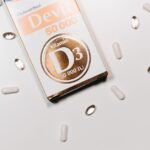
Vitamin D helps the body absorb calcium and supports the immune system. It also plays a role in bone development. Many pregnant women have low vitamin D levels.
The recommended daily amount during pregnancy is 600 international units for most women. Some guidelines suggest higher amounts for women with deficiency. Vitamin D is made by the skin from sunlight and is found in fatty fish, egg yolks, and fortified foods.
Vitamin D deficiency in pregnancy has been linked to complications, but the evidence on routine high-dose supplementation is mixed. Standard doses in a prenatal vitamin are generally considered adequate for most women.
Iodine
Iodine is needed for the baby’s brain and thyroid development. The thyroid uses iodine to make hormones that support growth and metabolism. During pregnancy, the demand for iodine rises.
The recommended daily amount of iodine during pregnancy is 220 micrograms. Many prenatal vitamins do not contain iodine, so it is worth checking the label. Iodized salt, dairy, seafood, and eggs are dietary sources.
Iodine deficiency remains a concern in some regions. Too much iodine can also be harmful, so supplements should not exceed recommended amounts without medical guidance.
DHA (Omega-3)
DHA is an omega-3 fatty acid that supports brain and eye development. The fetus accumulates DHA rapidly, especially in the third trimester. The body does not make enough DHA on its own.
There is no official recommended daily amount for DHA during pregnancy in the United States, but many organizations suggest 200 to 300 milligrams daily. Fatty fish like salmon and sardines are the best sources. Some prenatal vitamins include DHA, often from fish oil or algae.
The evidence on DHA supplementation and childhood outcomes is mixed. Some studies suggest benefits for early brain development, while others show no clear effect. It is not a proven cure for anything, but it is a reasonable nutrient to include.
Choline
Choline supports brain development and the nervous system. The recommended daily amount during pregnancy is 450 milligrams. Most prenatal vitamins do not contain choline, and many women do not get enough from diet alone.
Eggs, liver, meat, and some beans are good sources. Choline is not as well studied as folic acid or iron, but the evidence for its importance is growing.
Vitamin B12
Vitamin B12 works with folic acid to support the nervous system and red blood cell formation. The recommended daily amount during pregnancy is 2.6 micrograms. It is found in animal products, so vegetarians and vegans may need a supplement.
B12 deficiency can cause anemia and nerve problems. It is especially important for women who follow plant-based diets.
How Do You Choose a Prenatal Vitamin?
Look at the label, not the marketing. A good prenatal vitamin contains the nutrients above at or near recommended amounts. It should not contain excessive doses of anything.
Check for these key nutrients on the label:
- Folic acid: 400 to 600 micrograms
- Iron: 27 milligrams
- Calcium: 200 to 300 milligrams (plus diet)
- Vitamin D: 600 international units
- Iodine: 150 to 220 micrograms
- DHA: 200 to 300 milligrams (if included)
- Choline: 450 milligrams (often missing)
- Vitamin B12: 2.6 micrograms
Some prenatal vitamins split nutrients into two or three pills. This can help absorption but also makes it easier to forget a dose. A single daily pill is simpler, but may contain less calcium and choline because those are bulky.
Gummy vitamins often lack iron and calcium. They may also contain sugar and not enough of key nutrients. If you take a gummy, check the label carefully.
What About Nutrients That Are Often Missing?
Choline and iodine are the two nutrients most often missing from prenatal vitamins. Both matter for brain development. If your prenatal does not have them, you may need to get them from food or a separate supplement.
Calcium is also often under-dosed in prenatal vitamins because it is bulky. Most women need to get calcium from diet. If you do not eat dairy or fortified foods, talk to your doctor about a separate calcium supplement.
DHA is sometimes included but often at low amounts. If your prenatal does not have DHA, consider a separate omega-3 supplement or eat fatty fish twice a week. Fish can contain mercury, so choose low-mercury options like salmon, sardines, and trout.




Are There Nutrients You Should Avoid in High Doses?
Yes. Too much vitamin A can be harmful during pregnancy. The form to watch is preformed vitamin A, also called retinol. High doses have been linked to birth defects. Beta-carotene, a plant form of vitamin A, is not linked to the same risk.
Vitamin A is measured in micrograms of retinol activity equivalents. The recommended daily amount during pregnancy is 770 micrograms. Most prenatal vitamins stay well below toxic levels, but check the label if you take additional vitamin A.
Other nutrients to avoid in high doses include selenium and vitamin E. More is not better in pregnancy. Stick to recommended amounts unless a doctor advises otherwise.
Do You Need a Prenatal Vitamin If You Eat Well?
Yes, most women do. Even a healthy diet often falls short on iron, iodine, choline, and vitamin D during pregnancy. A prenatal vitamin is a safety net, not a replacement for food.
Food comes first. A diet rich in vegetables, fruits, whole grains, lean proteins, and healthy fats provides nutrients in forms the body uses well. A prenatal vitamin fills the gaps that diet alone may not cover.
If you have a medical condition or take other medications, talk to your doctor before starting any supplement. Some nutrients can interact with medications or with each other.
When Should You Start Taking a Prenatal Vitamin?
Ideally, start before you become pregnant. Neural tube defects develop in the first few weeks of pregnancy, often before a missed period. Taking folic acid before conception gives the best protection.
If you are already pregnant, start as soon as you find out. It is not too late. The earlier you begin, the better, but starting at any point is better than not starting at all.
Continue taking a prenatal vitamin throughout pregnancy and while breastfeeding. The nutrient demands remain high after birth, especially for iron, calcium, and DHA.
Frequently Asked Questions
What is the most important nutrient in a prenatal vitamin?
Folic acid is the most important because it helps prevent neural tube defects, which develop very early in pregnancy. The CDC recommends 400 micrograms daily for all women of reproductive age.
Do all prenatal vitamins contain iodine?
No, many prenatal vitamins do not contain iodine. Check the label, because iodine is important for the baby’s brain and thyroid development.
Can I take a prenatal vitamin without iron?
Some women cannot tolerate iron because it causes nausea or constipation. If you cannot take iron, talk to your doctor about alternatives, because iron is important for preventing anemia during pregnancy.
Is it safe to take more than the recommended amount of prenatal vitamins?
No, taking more than the recommended amount can be harmful, especially for vitamin A. Stick to the recommended doses unless your doctor advises otherwise.
