
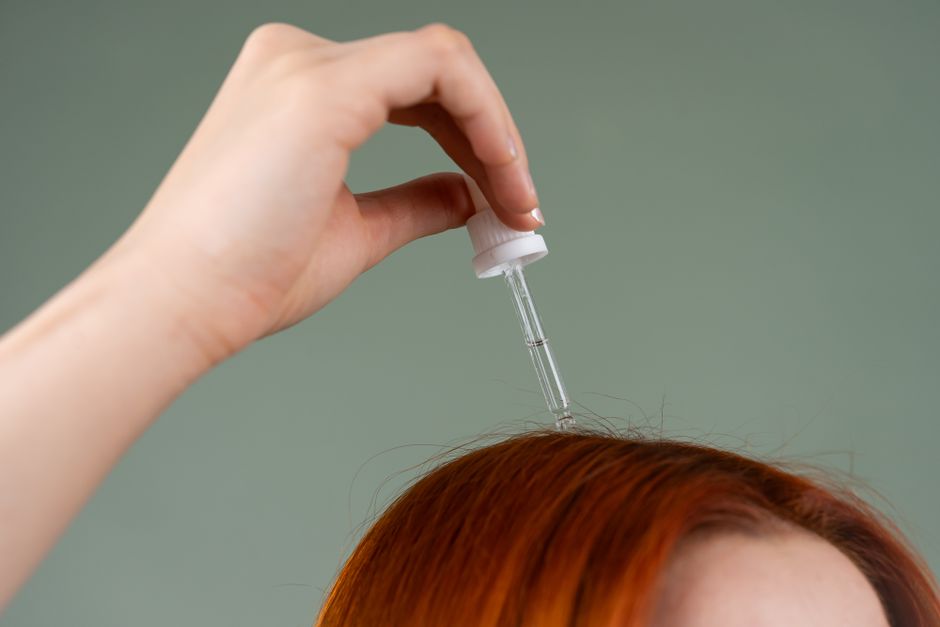
There is no single best oil for your scalp and hair. The right choice depends on your scalp type, hair texture, and what you are trying to fix — whether that is dryness, breakage, flaking, or simply keeping moisture in. Oils can genuinely help in some of these situations, and they can make others worse.
That last point matters more than most hair care content admits. Oil is not automatically good for hair. Applied to an oily or flaky scalp, some oils can feed the problem. Applied to fine hair, heavy oils can leave it limp and weighed down. This article explains what different oils actually do, which ones have real evidence behind them, and which claims are mostly marketing.
What Is The Best Oil For Your Scalp And Hair?
There is no universal winner, but a few oils stand out for specific jobs. Coconut oil has the strongest research behind it for reducing protein loss from hair. Jojoba oil closely resembles the natural oils your scalp produces. Argan oil is a good lightweight option for adding shine and reducing frizz. Castor oil is thick and often used for edges and eyebrows, though the evidence for faster growth is weak.
The honest answer is that the best oil is the one that matches your situation. A person with a dry, tight scalp and coarse hair has different needs than someone with an oily scalp and fine hair. Using the wrong oil for your type is one of the most common reasons people say oils “don’t work” for them.
One clarification worth making: oil does not moisturize hair in the way water does. Oil is a sealant. It coats the hair shaft and slows water from escaping. If your hair is dry because it lacks water, adding oil alone will not fix that. You need water first, then oil to help hold it in. This is a small point that changes how you use these products.
How Do Different Oils Actually Affect Hair and Scalp?
Oils work in a few distinct ways, and understanding them helps you pick the right one. Some oils penetrate the hair shaft. Others sit on the surface. Some have antimicrobial or anti-inflammatory properties. Most do a combination of these things.
- Coconut oil is one of the few oils shown to penetrate the hair shaft. Research has found it can reduce protein loss during washing, which may help with damage and breakage. It is solid at room temperature and can clog pores for some people.
- Jojoba oil is technically a liquid wax. Its structure is close to sebum, the oil your scalp naturally makes. That makes it a reasonable choice for scalp use because it is less likely to feel greasy or trigger irritation.
- Argan oil is rich in vitamin E and fatty acids. It is lightweight and absorbs fairly quickly, which makes it popular for frizz and shine on finer hair.
- Castor oil is very thick and sticky. It is often applied to edges and eyebrows. There is no strong clinical evidence that it speeds hair growth, despite widespread claims.
- Olive oil is heavy and better suited to coarse or very dry hair. It can be difficult to wash out and may leave residue.
- Tea tree oil is not a moisturizing oil. It has antimicrobial properties and is sometimes used for dandruff, but it must be diluted because it can irritate skin.
Notice the pattern. The oils with the most evidence for hair are not always the ones with the most marketing. Coconut oil has decades of research. Many trendy oils have almost none.
Which Oil Is Best for an Oily or Flaky Scalp?
If your scalp is oily, adding more oil is usually the wrong move. Sebum is already doing the job. Piling on heavy oils can trap dead skin cells and make flaking worse. For an oily scalp, the goal is balance, not more oil.
Jojoba oil is often recommended here because it is light and close to your natural sebum. Some people find it helps regulate oiliness, though the evidence for that specific claim is limited. If you have dandruff, the cause is usually a yeast called Malassezia that lives on most scalps. Oils do not treat that. Medicated shampoos containing ingredients like zinc pyrithione, ketoconazole, or selenium sulfide are the standard approach.
Tea tree oil deserves a mention but also caution. It has some antimicrobial activity, and a small number of studies suggest it may help with mild dandruff. It should always be diluted before touching your scalp. Undiluted tea tree oil can cause irritation, burning, and allergic reactions.
If your scalp is both oily and flaky, see a dermatologist if over-the-counter options do not help. Persistent flaking can have several causes, and they do not all respond to the same treatment.
Which Oil Is Best for Dry, Damaged, or Curly Hair?
For dry and damaged hair, coconut oil has the most support. Its ability to reduce protein loss makes it useful before washing, especially for hair that has been chemically treated or heat-styled. Applying it as a pre-wash treatment is a common and reasonable approach.
Curly and coily hair tends to be drier because natural oils have a harder time traveling down the shaft. Heavier oils like castor, olive, and avocado can work well here. Many people use a technique called sealing, where they apply water-based products first and then oil on top to slow moisture loss. This is consistent with how oils actually function.
For fine hair, lighter is better. Argan oil, grapeseed oil, and jojoba are good options. Heavy oils can make fine hair look greasy and flat within hours.
| Hair or Scalp Type | Reasonable Oil Choices |
|---|---|
| Oily scalp | Jojoba (light use), or skip oil on scalp |
| Dry scalp | Jojoba, argan, diluted tea tree for flaking |
| Fine hair | Argan, grapeseed, jojoba |
| Thick or coarse hair | Coconut, olive, avocado, castor |
| Curly or coily hair | Coconut, castor, olive, avocado |
| Damaged or treated hair | Coconut (pre-wash) |
Does Oil Actually Make Hair Grow Faster?
No oil has been proven to make hair grow faster. This is one of the biggest myths in hair care. Hair growth is driven by genetics, hormones, nutrition, and overall health. The rate is fairly fixed for each person.
Oils can help hair look and feel healthier by reducing breakage. If your hair breaks less, it can appear longer over time. But that is not the same as faster growth. It is less loss, not more growth.
Castor oil is the most common oil marketed for growth. The claim usually traces back to its ricinoleic acid content and the idea that it improves circulation. No well-designed human trials confirm that castor oil increases hair growth rate. If you are dealing with actual hair loss, oils are not a treatment. Conditions like androgenetic alopecia, telogen effluvium, and alopecia areata have different causes and different approaches. A dermatologist can help identify what is happening.
How Should You Apply Oil to Your Scalp and Hair?
How you apply oil matters as much as which one you choose. A few practical points based on how oils behave:
- Apply oil to damp hair, not soaking wet. A little water helps the oil spread and seal in moisture.
- Use less than you think you need. Start with a few drops and add more if needed.
- Focus on the ends for dry hair. The scalp produces its own oil, and the ends are usually the driest part.
- For scalp treatments, massage gently with fingertips. Do not scratch with nails.
- Leave coconut oil on for at least 30 minutes before washing if using it as a pre-wash treatment. Some people leave it on longer.
- Wash out thoroughly. Leftover oil can attract dirt and cause buildup.
Patch test any new oil on a small area of skin first, especially essential oils like tea tree. Allergic reactions to essential oils are not rare.
What Should You Avoid When Choosing Hair Oil?
Watch for products that promise dramatic results. Hair oils cannot regrow hair, cure dandruff, or repair split ends. Split ends can only be trimmed away. Any product claiming otherwise is overselling.
Also be careful with essential oils. They are concentrated and can cause irritation, burns, and allergic reactions if used undiluted. If a product lists several essential oils and you have sensitive skin, patch test first.
Finally, do not assume more expensive means better. Some of the most researched oils, like coconut, are also among the cheapest. Price often reflects fragrance and packaging, not effectiveness.
If you have a scalp condition that is not improving, or you are losing hair, see a doctor. Oils are a cosmetic tool, not a medical treatment.
Frequently Asked Questions
What is the best oil for hair growth?
No oil has been proven to make hair grow faster. Oils can reduce breakage, which may help hair appear longer over time, but growth rate is determined by genetics, hormones, and health.
Is coconut oil good for your scalp?
Coconut oil can help dry hair and reduce protein loss, but it may clog pores or worsen an oily scalp. It is best used as a pre-wash treatment on the hair rather than left on the scalp.
Can I leave oil on my hair overnight?
Some people do this without problems, but leaving heavy oils on overnight can clog pores and cause buildup. If you try it, use a light oil and wash it out thoroughly in the morning.
Does castor oil really grow hair?
No well-designed human trials confirm that castor oil increases hair growth. It is thick and can help seal moisture into hair, but claims about faster growth are not supported by strong evidence.
