

There is no single natural product that grows hair better than all others. Hair loss has many causes, and what helps depends on which cause you have. The two natural ingredients with the most human research behind them are rosemary oil and pumpkin seed oil — but even these work on specific types of hair thinning, not all of them.
What Is The Best Natural Hair Growth Product?
Rosemary oil has the strongest human trial evidence of any natural topical for hair growth. A 2015 randomized trial compared rosemary oil to minoxidil 2% in people with androgenetic alopecia, and found similar increases in hair count after six months. That is a meaningful result. It does not mean rosemary oil is stronger than minoxidil — the trial used the 2% version, not the 5% concentration most clinicians recommend today.
Pumpkin seed oil has the best evidence among natural oral options. A small randomized trial found that men taking pumpkin seed oil capsules had more hair growth than those taking a placebo over 24 weeks. The trial was small, so the result should be treated as promising rather than settled.
Everything else — biotin, saw palmetto, onion juice, castor oil, caffeine shampoo — has weaker or mixed evidence. Some have a plausible mechanism. Very few have been tested in well-designed human trials with meaningful hair count outcomes.
Why Do Most Natural Hair Products Fail to Deliver?
Hair loss is not one condition. It is a symptom with many causes, and a product that helps one cause will do nothing for another.
Androgenetic alopecia — male and female pattern hair loss — is driven by genetics and hormones, specifically the effect of dihydrotestosterone (DHT) on susceptible hair follicles. A topical oil cannot change your genetics. It may improve blood flow to the follicle or reduce local inflammation, but the underlying hormonal process continues.
Telogen effluvium is temporary shedding triggered by stress, illness, surgery, rapid weight loss, or nutritional deficiency. It usually resolves on its own once the trigger is removed. No hair growth product speeds this up meaningfully.
Alopecia areata is an autoimmune condition. It is not treated with oils. It requires medical care.
Traction alopecia comes from tight hairstyles pulling on follicles over time. The treatment is changing the hairstyle, not applying a product.
This is where most natural hair products fail: they are marketed as if hair loss were a single problem with a single solution. It is not.
What Does the Evidence Actually Show for Rosemary Oil?
Rosemary oil (Rosmarinus officinalis) is the natural ingredient with the most credible human data. The 2015 trial I mentioned earlier randomized 100 people with androgenetic alopecia to either rosemary oil or minoxidil 2% for six months. Both groups showed increased hair count at the end of the study, with no significant difference between them.
There are real limitations here. The trial was relatively small. It compared rosemary oil to a low concentration of minoxidil. And it did not include a no-treatment control group, which means some of the improvement could reflect the natural course of the condition or measurement effects.
Rosemary oil is thought to work partly by improving circulation to the scalp and possibly by having mild anti-androgenic activity. The mechanism is not fully understood. What we can say is that the human evidence is more substantial for rosemary oil than for most other natural topicals — which is a low bar, but it is real.
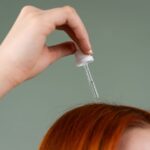
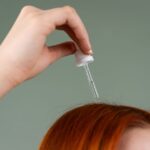
If you use rosemary oil, it should be diluted in a carrier oil before applying to the scalp. Undiluted essential oils can cause skin irritation and allergic reactions. There are no established clinical guidelines for the optimal concentration or frequency of rosemary oil for hair growth.

Does Pumpkin Seed Oil Really Help Hair Growth?
Pumpkin seed oil is the natural oral supplement with the best human evidence. A randomized, double-blind, placebo-controlled trial followed 76 men with androgenetic alopecia for 24 weeks. The group taking pumpkin seed oil capsules showed significantly more hair growth than the placebo group.
The proposed mechanism involves blocking the conversion of testosterone to DHT, the hormone that drives pattern hair loss. This is the same pathway that finasteride targets, though pumpkin seed oil appears to act far more weakly.
One trial of 76 men is not enough to call this established. It is enough to say the evidence is more promising than for most natural supplements. The dose used in the trial is not something I can confirm as a general recommendation — no clinical guidelines currently establish a standard dose of pumpkin seed oil for hair loss.
Pumpkin seeds themselves are a good source of zinc and other nutrients. Eating them as part of a balanced diet is reasonable. Whether eating them affects hair growth the way the concentrated oil did in the trial is unknown.
What About Biotin, Saw Palmetto, and Other Popular Options?
Biotin is the most overhyped hair supplement on the market. It is a B vitamin, and true biotin deficiency does cause hair loss. But biotin deficiency is rare in people eating a normal diet. If you are not deficient, taking biotin has not been shown to improve hair growth.
There is a real safety concern with high-dose biotin supplements. They can interfere with certain laboratory tests, including thyroid tests and cardiac troponin tests used to diagnose heart attacks. This is worth knowing before you take a high-dose supplement casually.
Saw palmetto has some evidence for prostate symptoms and has been studied for hair loss. Results have been mixed. Some small trials suggest modest benefit in men with androgenetic alopecia; others show no clear effect. The evidence is not strong enough to call it a reliable option.
Onion juice has one small study showing improved hair growth in people with alopecia areata. That is a single small trial, and alopecia areata is an autoimmune condition that often resolves on its own. This is not a strong basis for a general recommendation.
Castor oil is popular on social media. It is a thick oil that may help moisturize the scalp and reduce breakage. There is no clinical evidence that it stimulates new hair growth.
Caffeine-based shampoos have some in vitro evidence — meaning lab studies on cells, not people — suggesting caffeine may counteract DHT effects on hair follicles. Human trial evidence is limited and mixed.
When Should You See a Doctor Instead of Trying Natural Products?
See a doctor if you are losing hair in patches, if the loss is sudden, or if you have other symptoms like fatigue, joint pain, or skin changes. These can point to conditions that need medical treatment, not a supplement.
See a doctor if you are a woman with new hair thinning, especially if it comes with irregular periods, acne, or excess facial hair. These can be signs of hormonal conditions that need diagnosis and treatment.
See a doctor if you have been using a natural product for six months with no improvement. Pattern hair loss is progressive. The earlier it is treated with proven therapies, the more hair you are likely to keep.
Prescription options exist. Minoxidil is available over the counter. Finasteride and other treatments require a prescription. These have stronger evidence than any natural product currently available. A doctor can help you figure out what is causing your hair loss and what is most likely to help.
How Should You Think About Natural Hair Products Overall?
Natural does not mean harmless, and it does not mean effective. Essential oils can cause contact dermatitis. High-dose supplements can interact with medications and lab tests. And “natural” products are not held to the same evidence standards as drugs before they are sold.
The honest summary is this: rosemary oil has the best evidence among natural topicals, and pumpkin seed oil has the best evidence among natural orals. Both have real limitations. Neither is a substitute for medical evaluation if you are losing hair.
If your hair loss is mild and you want to try a natural option first, rosemary oil diluted in a carrier oil is a reasonable starting point based on current evidence. If you have significant or worsening hair loss, or if you are not sure what is causing it, see a doctor. That is the most reliable path to keeping your hair.
Frequently Asked Questions
What is the best natural hair growth product?
Rosemary oil has the strongest human trial evidence among natural topicals, and pumpkin seed oil has the best evidence among natural oral supplements. Neither works for all types of hair loss, and both have limitations in the available research.
Does rosemary oil actually regrow hair?
One randomized trial found rosemary oil increased hair count similarly to minoxidil 2% over six months in people with pattern hair loss. The trial was small and did not include a no-treatment control, so the evidence is promising but not definitive.
Can biotin help with hair growth?
Biotin only helps hair growth if you have a biotin deficiency, which is rare in people eating a normal diet. High-dose biotin can also interfere with certain lab tests, including thyroid and cardiac tests.
When should I see a doctor about hair loss?
See a doctor if your hair loss is sudden, comes in patches, or is accompanied by other symptoms like fatigue or hormonal changes. Also see a doctor if a natural product has not helped after six months.
