
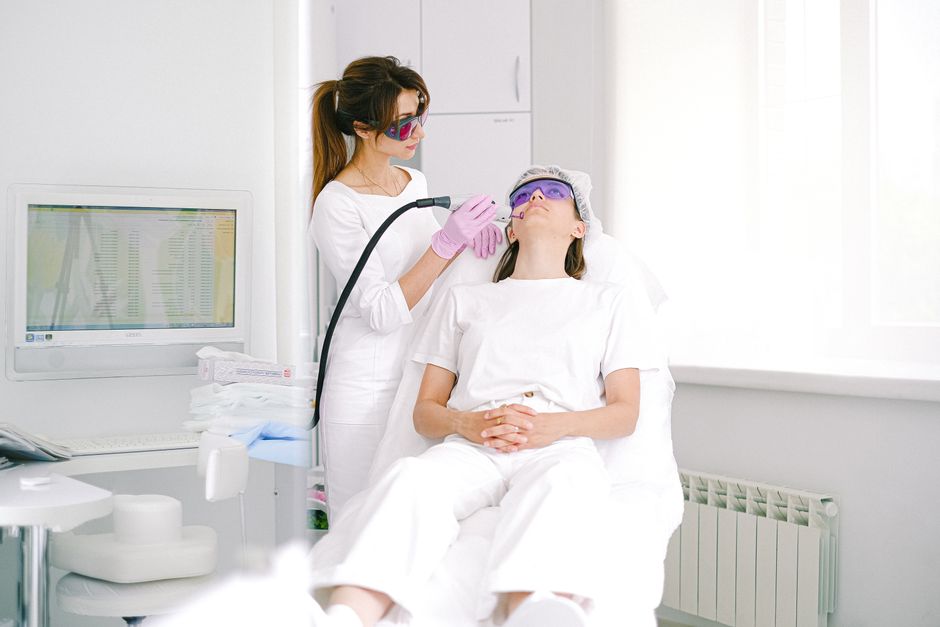
There is no single “best” laser for wrinkles. The right choice depends on your skin tone, the type of wrinkle, how much downtime you can accept, and the result you want. Fractional ablative lasers like CO2 and erbium:YAG produce the most dramatic improvement in fine lines and sun damage, while non-ablative and fractionated non-ablative lasers offer milder results with far less recovery.
What Is the Best Laser Treatment for Wrinkles?
Fractional ablative resurfacing is the most effective laser category for wrinkles, based on the strongest body of clinical evidence. It removes thin columns of skin and triggers new collagen formation. The trade-off is real: several days of raw, red skin and weeks of pinkness.
Non-ablative lasers heat the dermis without removing the surface. They are gentler, safer for more skin types, and require less downtime. They also produce subtler results that build over multiple sessions.
There is no universal winner. A person with deep creases around the mouth and fair skin may get the best result from an ablative laser. Someone with melasma-prone skin or a deeper skin tone may do better with a non-ablative option. The treating physician’s judgment matters as much as the device.
How Do Lasers Actually Reduce Wrinkles?
Lasers work by creating controlled injury. The skin responds by rebuilding collagen and remodeling tissue. This is a wound-healing response, not a passive smoothing effect.
Collagen gives skin its structural support. With age and sun exposure, collagen production declines and existing fibers fragment. The result is thinning and laxity that shows up as fine lines and deeper creases.
When a laser deposits heat at a specific depth, it damages old collagen and stimulates fibroblasts to lay down new collagen. This process takes weeks to months. That is why results appear gradually rather than immediately.
Ablative lasers vaporize the outer layer (the epidermis) and heat the dermis beneath. Non-ablative lasers bypass the surface and target the dermis directly, often cooling the surface to protect it. Fractional devices treat only a fraction of the skin at a time, leaving untreated columns to speed healing.
One clarification worth making: lasers improve texture, tone, and fine lines well. They do not restore lost volume. Deep folds caused by fat pad descent and bone changes are better addressed with fillers or surgery, not lasers alone.
What Are the Main Types of Laser Treatment for Wrinkles?
Laser treatments fall into two broad categories: ablative and non-ablative. Each has fractional and fully ablative versions.
Ablative fractional lasers include CO2 (carbon dioxide) and erbium:YAG. They remove tissue and deliver the strongest collagen response. Recovery involves oozing, crusting, and significant redness for roughly one to two weeks, with pinkness lasting longer.
Non-ablative fractional lasers include erbium-doped glass and similar wavelengths. They heat the dermis through an intact surface. Downtime is usually a few days of redness and swelling. Multiple sessions are typically needed.
Non-fractional non-ablative lasers treat the full surface without fractionation. These are older technology and are used less often for wrinkles now.
Pulsed dye and intense pulsed light devices are sometimes grouped with lasers. They mainly target redness and pigment, not wrinkles. They can improve overall skin appearance but are not primarily wrinkle treatments.
- Ablative fractional: strongest results, longest recovery
- Non-ablative fractional: moderate results, short recovery
- Non-ablative non-fractional: mild results, minimal recovery
- Light-based devices: target color and tone, not wrinkles




How Do You Choose the Right Laser for Your Skin?
Skin tone is the single most important safety factor. Laser energy targets pigment, and darker skin contains more melanin. That raises the risk of burns, blistering, and post-inflammatory hyperpigmentation.
For lighter skin tones, ablative and non-ablative options are both generally on the table. For medium to darker skin tones, non-ablative fractional lasers with longer wavelengths and aggressive cooling are usually preferred. Some clinicians will still use ablative lasers in darker skin with modified settings and careful pre-treatment, but the margin for error is narrower.
Other factors that shape the choice:
- Wrinkle depth and location
- How much downtime you can realistically take
- Your history of cold sores, scarring, or keloids
- Medications that affect healing or light sensitivity
- Whether you have active acne, infection, or recent sun exposure
Board-certified dermatologists and plastic surgeons assess these factors in person. A consultation is not a formality. It is where the decision is actually made.
What Does Recovery Look Like After Laser Treatment?
Recovery depends entirely on the type of laser. Ablative fractional resurfacing is the most demanding. Immediately after treatment the skin is raw and weepy. It crusts over the following days and peels.
Most people can return to light activity within a few days. Social recovery — looking presentable in public — often takes one to two weeks. Redness can persist for several weeks or longer, and this is expected, not a complication.
Non-ablative fractional treatments typically involve a few days of redness and mild swelling. Many people return to work within a day or two. Makeup can usually be applied sooner than after ablative treatment.
Post-treatment care matters for the outcome. Sun protection is not optional. Newly treated skin is vulnerable to pigment changes, and sun exposure during healing can undo results. Gentle cleansing, moisturizing, and avoiding irritants support the healing process.
Antiviral medication is often prescribed before and after ablative resurfacing for people with a history of cold sores. This is standard clinical practice based on the risk of reactivation.
What Are the Risks and Limitations?
Laser resurfacing carries real risks. The most common are prolonged redness, swelling, and temporary pigment changes. Less common but more serious risks include scarring, infection, and reactivation of cold sores.
Post-inflammatory hyperpigmentation is more likely in darker skin tones and in people who tan easily. Hypopigmentation — permanent lightening — is a known risk of deeper ablative treatments. It can be difficult to treat once it occurs.
Results are also not permanent. Wrinkles are driven by ongoing aging and sun exposure. New lines will form, and existing lines can return over time. Maintenance treatments and daily sun protection help preserve results.
It is worth being direct about claims. No laser reverses aging or eliminates all wrinkles. Marketing language that suggests otherwise does not match what clinical evidence shows.
How Does Laser Compare to Other Wrinkle Treatments?
Lasers are one option among several. Each has a different risk-and-benefit profile.
Botulinum toxin relaxes the muscles that create dynamic lines, such as frown lines and crow’s feet. It works well for those specific wrinkles but does not address static lines or skin texture.
Dermal fillers add volume and soften folds caused by volume loss. They are better suited to deeper creases than to fine surface lines.
Topical retinoids are among the best-studied treatments for fine lines and skin texture. They work slowly and modestly but have a strong evidence base and are far less expensive than procedures.
Chemical peels and microneedling can improve texture and fine lines. Results vary by depth and technique. Evidence for microneedling is growing but remains less extensive than for lasers.
Combining treatments is common. A person might use retinoids daily, get botulinum toxin for dynamic lines, and pursue laser resurfacing for overall texture. The right combination depends on goals and budget.
What Should You Ask Before Booking a Laser Treatment?
The provider matters as much as the device. Ask who will perform the treatment and what their training and experience are. In many states, non-physicians perform laser treatments under varying levels of supervision, and rules differ by location.
Ask how many treatments you will need, what the realistic outcome looks like, and what the recovery will involve. A provider who promises dramatic results with no downtime for deep wrinkles is not giving you an honest picture.
Ask about your specific risks given your skin tone and history. Ask what happens if you develop a complication. Ask about the cost, since laser treatments are typically not covered by insurance.
Be cautious of any clinic that pressures you into a decision during the consultation or offers prices that seem far below market. Laser resurfacing is a medical procedure, and the cheapest option is not always the safest one.
Frequently Asked Questions
What is the most effective laser for deep wrinkles?
Fractional ablative CO2 and erbium:YAG lasers produce the greatest improvement in deep wrinkles and sun damage. They also involve the longest recovery and the highest risk of pigment changes.
Are laser treatments safe for darker skin tones?
Non-ablative fractional lasers with longer wavelengths are generally safer for darker skin tones because they carry a lower risk of burns and pigment changes. Ablative lasers can be used in some cases, but only with modified settings and an experienced provider.
How long do laser results last?
Results can last for years, but they are not permanent because aging and sun exposure continue. Maintenance treatments and daily sun protection help preserve the improvement.
Is laser treatment painful?
Most laser treatments involve some discomfort, and providers use topical numbing cream or other anesthesia to manage it. Ablative treatments tend to be more uncomfortable than non-ablative ones, both during and after the procedure.
