
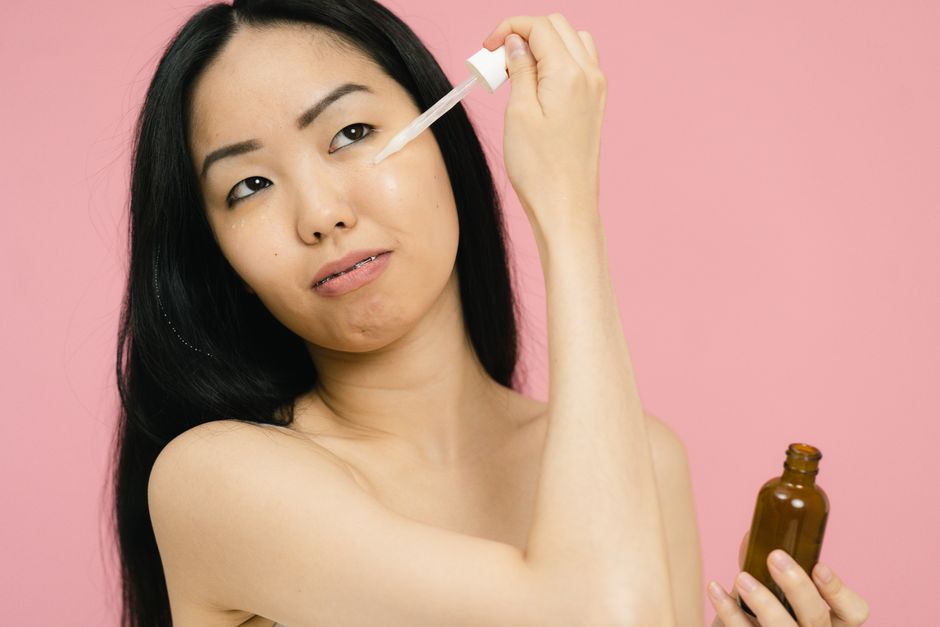
There is no single best Korean skin care product, because Korean beauty is a category rather than a brand. What sets it apart is a philosophy: gentle, layered hydration and daily sun protection, built around your skin’s needs instead of a single “miracle” ingredient. The products most often praised are the ones that do a few simple things well — cleanse without stripping, hydrate without clogging, and protect without irritation.
The honest answer is that the “best” product is the one matched to your skin type and concerns. A rich cream that transforms dry skin can trigger breakouts on oily skin. A gentle gel cleanser that suits combination skin may leave very dry skin tight. So instead of a ranked list, this article explains what the main categories of Korean skin care actually do, what the evidence supports, and how to build a routine that fits you.
What Makes Korean Skin Care Different?
Korean skin care is built around prevention and gentle, consistent care rather than aggressive treatment. The emphasis is on keeping the skin barrier healthy, hydrating in layers, and protecting against sun damage every day. This approach has become popular worldwide, though it is worth separating the philosophy from the marketing.
The well-established core of a Korean routine overlaps heavily with what dermatologists recommend everywhere: a mild cleanser, a moisturizer, and daily sunscreen. The distinctive parts — essences, ampoules, sheet masks, and ten-step routines — are mostly optional add-ons. Some are pleasant and hydrating. None are required for healthy skin.
One genuinely useful idea from this tradition is layering. Instead of one heavy cream, you apply several thin, watery layers of hydration. This can feel lighter on the skin and lets you adjust how much moisture you add. It is a sensible approach for many skin types, though there is no strong evidence that layering is superior to a single well-formulated moisturizer for everyone.
What Are the Best Korean Skin Care Products by Category?
The most reliable way to think about “best” is by product category, because each category has a clear job. Within each one, the right choice depends on your skin type and what it needs.
Cleansers. Korean cleansers range from gentle, low-pH gels to oil-based cleansers used first to remove sunscreen and makeup. The gentle, non-stripping type is generally the better daily choice. Harsh foaming cleansers can leave skin tight and irritated, which works against the rest of your routine.
Toners and essences. In Korean skin care, these are usually light, watery hydrators rather than the astringent toners of the past. They can add a layer of moisture and prepare skin for what follows. Their benefits are modest and mostly about hydration and comfort.
Serums and ampoules. These are concentrated treatments, often built around ingredients like niacinamide, hyaluronic acid, or vitamin C. This is where ingredient quality matters most, and where claims tend to outrun evidence.
Moisturizers. These range from light gels to thick creams. The best one for you depends on how oily or dry your skin is, not on price or popularity.
Sunscreen. This is the single most evidence-backed product in any routine, Korean or otherwise. Daily use of broad-spectrum sunscreen helps prevent sunburn, skin aging, and skin cancer. Korean sunscreens are often praised for their light texture, which can make daily use easier to stick with.
Which Ingredients Actually Have Evidence Behind Them?
A short list of ingredients has solid research behind it. Many others are marketed heavily with far less support.
Ingredients with reasonable evidence include:
- Niacinamide — supports the skin barrier and can help with uneven tone and oil control.
- Hyaluronic acid and glycerin — humectants that draw water into the skin’s surface for hydration.
- Vitamin C — an antioxidant with evidence for brightening and supporting collagen, though it can be unstable in formulas.
- Retinoids — among the best-studied ingredients for fine lines and acne, though they require gradual introduction and sun care.
- Ceramides — lipids that help reinforce the skin barrier.
- Centella asiatica (cica) — traditionally used for soothing; some studies suggest calming effects, but the evidence is not as strong as for the ingredients above.
Ingredients with weaker or mixed evidence include snail mucin, fermented ingredients, and many botanical extracts. That does not mean they do nothing — some people find them pleasant and hydrating — but the strong clinical claims often attached to them are not well supported. Snail mucin, for example, is a humectant that may help hold moisture, but it has not been shown to do anything dramatic.



Do Korean Skin Care Products Work Better Than Others?
No. Korean skin care is not inherently more effective than well-made products from any other country. What often makes it feel effective is the routine around it: gentle cleansing, consistent hydration, and daily sunscreen. Those habits help skin regardless of where the bottle was made.
Where Korean products sometimes have an edge is texture and elegance. Lightweight, layered formulas can feel more comfortable for people who dislike heavy creams, which may make them more likely to use the products consistently. Consistency, not national origin, is what tends to produce results.
It is also worth noting that “Korean” is a broad label. Some products sold as K-beauty are made elsewhere, and quality varies widely within the category. Ingredient lists and formulation matter more than the flag on the packaging.
How Do You Build a Routine That Fits Your Skin?
Start simple and add slowly. A basic routine that you actually follow will outperform a complicated one you abandon. Most dermatologists suggest beginning with three steps and building from there only if your skin needs more.
A reasonable starting routine looks like this:
- Morning: gentle cleanser (or just water if your skin is dry), moisturizer, sunscreen.
- Evening: cleanser to remove the day’s sunscreen and grime, moisturizer.
From there, you can add a hydrating toner or essence, then a serum targeting a specific concern. Introduce one new product at a time and give it a few weeks before judging it. If your skin stings, turns red, or breaks out, stop the new product.
Pay attention to your skin type. Oily skin often does better with light gels and gel-creams. Dry skin may need richer creams and occlusives that seal in moisture. Sensitive skin benefits from fragrance-free, minimal-ingredient formulas. Combination skin may need different products on different areas.
What Should You Be Careful About?
A few cautions are worth keeping in mind as you shop.
First, patch test new products, especially if you have sensitive skin or a history of reactions. Apply a small amount to your inner forearm or behind your ear and wait a day or two before using it on your face.
Second, be skeptical of dramatic claims. Words like “miracle,” “detox,” and “anti-aging breakthrough” are marketing, not evidence. No cream erases wrinkles or reverses aging, and no product replaces sunscreen and a healthy routine.
Third, remember that more steps are not better. Layering many products increases the chance of irritation and makes it harder to tell what is helping or hurting. If your skin is unhappy, simplify before you add.
Finally, if you have a persistent skin condition like acne, eczema, or rosacea, a cosmetic routine is not a treatment. See a dermatologist or doctor for guidance, because some conditions need medical care that no serum can provide.
Frequently Asked Questions
What is the best Korean skin care product overall?
There is no single best product, because the right choice depends on your skin type and concerns. The most evidence-backed step in any Korean routine is daily broad-spectrum sunscreen.
Are Korean skin care products better than Western ones?
Not inherently. Korean products are often lighter and more layered, but effectiveness depends on ingredients and consistent use, not the country of origin.
How many steps should a Korean skin care routine have?
There is no required number, and the famous ten-step routine is optional. Most people do well with a gentle cleanser, a moisturizer, and daily sunscreen, adding extras only as needed.
Are Korean skin care products safe for sensitive skin?
Many are formulated to be gentle, but reactions are still possible, so patch test new products first. Fragrance-free, minimal-ingredient formulas tend to be the safer starting point for sensitive skin.
