
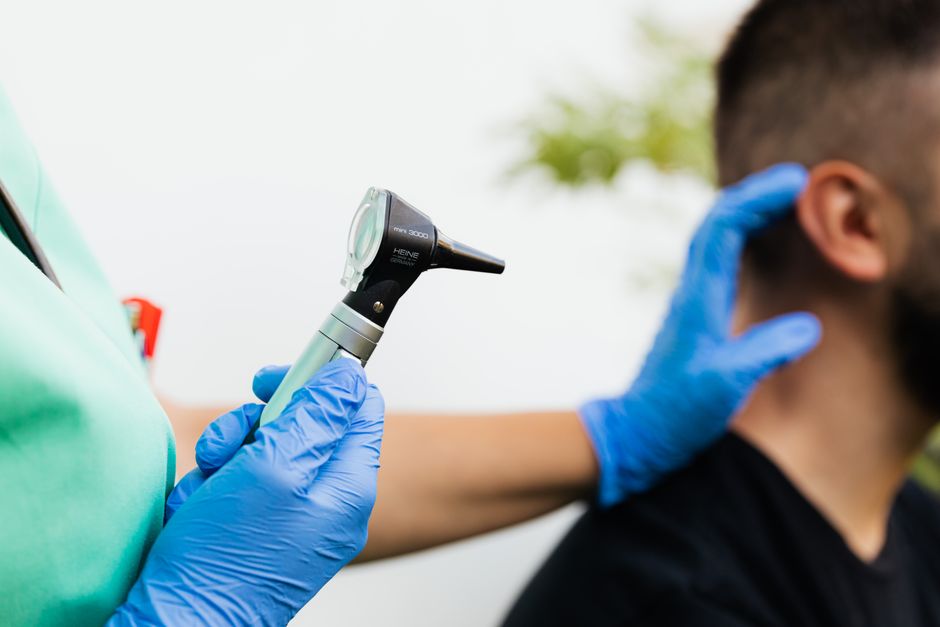
There is no single best hearing aid for tinnitus. The best choice is the one that fits your hearing loss, your tinnitus pattern, and how you live day to day. For many people with both hearing loss and tinnitus, a well-fitted hearing aid helps because it restores the sounds you have been missing and makes the tinnitus less prominent. The device matters less than the fitting and the follow-up.
Why Hearing Aids Can Help Tinnitus at All
Tinnitus is the perception of sound when no external sound is present. It is a symptom, not a disease, and it is very common. Most people who have tinnitus also have some degree of hearing loss, even if they have not noticed it.
When hearing fades, the brain receives less sound input from the ears. The auditory system appears to turn up its own internal gain to compensate, and that increased activity is thought to contribute to the phantom sound. A hearing aid works by bringing back external sound. That added input can reduce the contrast between the tinnitus and the quiet, which is why many people report the tinnitus feels less loud or less bothersome when they wear their aids.
This is not a cure. The evidence that hearing aids reduce tinnitus distress is real but modest, and it comes mainly from people who have measurable hearing loss. Some studies suggest meaningful benefit; the effect varies a lot from person to person. If your hearing is normal, a standard hearing aid is not the right tool.
What Features Matter Most for Tinnitus?
The single biggest factor is a proper fit for your hearing loss. A device that is poorly programmed can make tinnitus awareness worse, not better. Good fitting, real-ear measurement, and follow-up adjustments matter more than any single feature on a spec sheet.
Beyond the fit, a few features are worth understanding:
- Sound generators (maskers) built into the aid. These add a gentle background sound, such as broadband noise, that can make tinnitus less noticeable. Many modern aids include this option.
- Amplification quality. Clear, comfortable sound across speech frequencies helps more than a gadget. If speech is harsh or tinny, you will wear the aid less, and the benefit drops.
- Bluetooth and streaming. Being able to stream audio, white noise, or relaxing sound directly to the aids gives you flexible options for quiet moments.
- Comfort and fit. An aid you find uncomfortable will sit in a drawer. Behind-the-ear, in-the-ear, and receiver-in-canal styles all work; the right one depends on your ear anatomy and hearing loss.
One point that surprises people: louder is not better. Turning up amplification beyond what your hearing needs can make sound uncomfortable and does not reliably quiet tinnitus.
How Do Maskers and Sound Therapy Fit In?
Sound therapy uses external sound to reduce the contrast with tinnitus. The idea is not to drown out the tinnitus completely but to give the auditory system something else to process. Some people use a low-level background sound; others prefer it only during quiet periods or at bedtime.
Built-in sound generators are convenient because they live inside the same device. But a standalone sound machine, a fan, or a phone app can serve a similar purpose, and the evidence does not clearly show that one approach is superior. The best sound is the one you find pleasant and can tolerate for long stretches. Harsh or unpleasant sound can increase stress and make tinnitus feel worse.
Sound therapy is generally used alongside education and counseling, not as a stand-alone fix. That combination is often called tinnitus retraining or tinnitus management, and it aims to reduce the distress the sound causes rather than eliminate the sound itself.
Does the Brand or Price Decide It?
No. There is no evidence that one major hearing aid brand is superior for tinnitus. The major manufacturers all offer aids with sound generator options and modern processing. What separates a good outcome from a poor one is the audiologist or hearing aid specialist doing the fitting and the adjustments over time.
Price varies widely, and higher price does not guarantee better tinnitus relief. What you are paying for includes the device, the fitting, follow-up visits, and warranty. Ask what is included before you buy. A cheaper aid with excellent follow-up can outperform an expensive aid that is never adjusted.
Some people buy over-the-counter hearing aids, which are now available for mild to moderate hearing loss in the United States. These can be a reasonable entry point for some adults, but they are not a substitute for a proper hearing evaluation, and they are not designed specifically for tinnitus. If tinnitus is your main concern, get your hearing checked first.
What Else Actually Helps Tinnitus?
Hearing aids are one tool, not the whole toolkit. The strongest evidence for reducing tinnitus distress points to psychological approaches, particularly cognitive behavioral therapy (CBT). CBT does not remove the sound. It changes how you respond to it, which reduces the distress and interference it causes.
Other approaches with some supporting evidence include:
- Education and counseling about what tinnitus is and is not. Understanding that it is rarely a sign of something dangerous often reduces anxiety, which in turn reduces the perceived loudness.
- Stress and sleep management. Tinnitus tends to feel worse when you are tired, stressed, or anxious. Addressing those factors can help.
- Treating related conditions. Impacted earwax, some medications, and certain health conditions can contribute to tinnitus. A clinician can check for these.
Be cautious with supplements and devices marketed as tinnitus cures. No supplement has been shown in good-quality trials to eliminate tinnitus. If a product promises a cure, that is a reason to be skeptical, not reassured.
When Should You See a Professional?
See a clinician if tinnitus is new, came on suddenly, affects one ear only, or comes with hearing loss, dizziness, or ear fullness. These patterns deserve a proper evaluation. Tinnitus that pulses with your heartbeat also warrants a medical check.
Seek urgent care if tinnitus appears suddenly alongside hearing loss in one ear, or with weakness, numbness, or difficulty speaking. Those combinations need prompt assessment.
For most people, the practical path is straightforward: get a hearing test, discuss your tinnitus with an audiologist, and try a well-fitted hearing aid if you have hearing loss. Give it time. Adjustment can take weeks, and the benefit often builds as your brain adapts to hearing more sound again.
What Is the Best Hearing Aid for Tinnitus, Really?
The best hearing aid for tinnitus is a well-fitted device that matches your hearing loss and includes a sound generator option you find comfortable. The brand is secondary. The fitting, the follow-up, and your own comfort with the sound are what determine whether it helps.
If you have hearing loss and tinnitus, a hearing aid is a reasonable first step and is supported by clinical experience and some research. If your hearing is normal, a hearing aid is not the answer, and you should look at sound therapy and CBT instead. Either way, a professional evaluation is the sensible starting point.
Frequently Asked Questions
Do hearing aids cure tinnitus?
No, hearing aids do not cure tinnitus. They can reduce how noticeable or bothersome it feels, mainly for people who also have hearing loss.
What is the best hearing aid brand for tinnitus?
No brand has been shown to be best for tinnitus. The quality of the fitting and follow-up matters more than the manufacturer.
Can I use a hearing aid if my hearing is normal?
A standard hearing aid is not designed for normal hearing and is not the right tool. Sound therapy and cognitive behavioral therapy are better options in that case.
How long does it take for a hearing aid to help tinnitus?
Some people notice a difference quickly, but many need several weeks of consistent wear as the brain adjusts. Benefit varies, and follow-up adjustments often improve results.
