
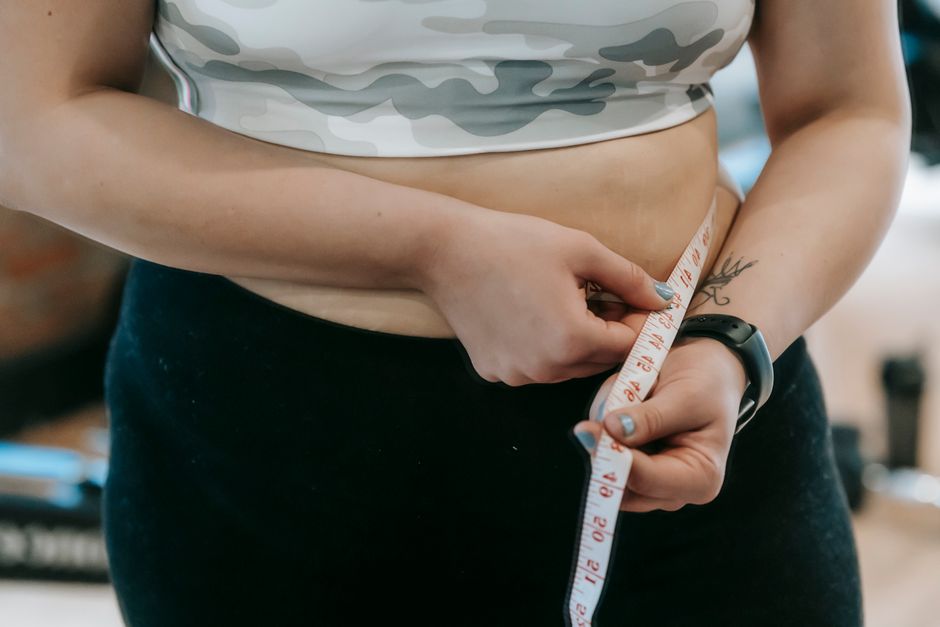
There is no single best exercise for belly fat loss. The exercise that works best is the one you will do consistently, because belly fat comes off through a whole-body energy deficit, not through a targeted movement. Sit-ups and crunches build abdominal muscle, but they do not burn fat from the stomach any faster than jogging or cycling does.
That answer is not a dodge. It reflects how the body actually stores and releases fat. Understanding that mechanism explains why spot reduction does not work, what kinds of exercise have the strongest evidence behind them, and where diet fits into the picture.
Can You Target Belly Fat With Specific Exercises?
No. Spot reduction — the idea that working a muscle burns the fat sitting on top of it — is not supported by the evidence. The body mobilizes fat from stores across the whole body, and where you lose it first is largely set by genetics, sex, and hormones, not by which muscle you contract.
This has been tested. Some studies have had people train one limb heavily for weeks and then measured fat in the trained versus untrained limb. The trained muscle grew stronger and larger, but the fat layer above it did not shrink more than elsewhere. The fat loss, when it happened, was distributed by the body’s own rules.
Why does the body behave this way? Fat is stored in fat cells as triglycerides. When you need energy, hormones signal fat cells throughout the body to release fatty acids into the bloodstream. Working muscles pull fuel from that shared circulation. A hard set of crunches does not drain the fat cell sitting directly above the abdominal wall — it draws on the same body-wide supply as any other activity.
So crunches are not useless. They strengthen and build the abdominal muscles. But visible abs come from lowering overall body fat, not from the crunches themselves.
What Does the Evidence Say About the Best Exercise for Belly Fat Loss?
The strongest evidence points to aerobic exercise as the most reliable way to reduce visceral fat — the deep fat around the organs that matters most for health. Visceral fat responds to regular moderate-to-vigorous cardio, and it tends to come off earlier and more readily than the subcutaneous fat you can pinch.
Research consistently shows that people who do regular aerobic exercise lose more visceral fat than those who do not, even when total weight loss is modest. This is one of the more encouraging findings in this area: you do not need to reach a goal weight to improve the fat profile that affects metabolic health.
Strength training plays a supporting role. It builds and preserves muscle mass, which matters because muscle is metabolically active tissue and because preserving muscle during weight loss helps keep resting energy use from dropping. Some studies suggest resistance training can reduce visceral fat too, though the effect is generally smaller than with sustained aerobic work.
The combination is what most clinicians and exercise researchers recommend: regular cardio for fat loss, plus strength training two or more days a week for muscle and overall health. That aligns with broad public health guidelines for physical activity, which call for a mix of aerobic and muscle-strengthening activity.
Cardio vs. Strength Training vs. HIIT: How Do They Compare?
All three can help, but they work through somewhat different routes and suit different people. The table below compares them on the factors that matter most for belly fat.
| Approach | Main effect | Evidence for visceral fat | Practical notes |
|---|---|---|---|
| Aerobic cardio (walking, jogging, cycling, swimming) | Burns energy during activity; improves heart and lung fitness | Strongest and most consistent evidence | Easy to sustain; can be built into daily life |
| Strength training | Builds and preserves muscle; supports metabolism | Some evidence, generally modest | Best paired with cardio; important during weight loss |
| HIIT (high-intensity interval training) | Burns energy quickly; time-efficient | Evidence indicates it can reduce belly fat, but not clearly better than steady cardio | Harder to recover from; not ideal for beginners or people with joint or heart issues |
HIIT gets a lot of attention, and it is a legitimate option. But the claim that it is dramatically superior to steady cardio for belly fat is not well established. Some studies find similar results when total energy expenditure is matched. HIIT’s real advantage is time efficiency, not a special fat-melting property.
Why Diet Matters More Than Any Single Exercise
Exercise burns calories, but it is hard to out-train a diet that supplies more energy than the body uses. For most people, the largest lever on belly fat is the overall energy balance — how much you eat relative to how much you burn.
This is not a reason to skip exercise. It is a reason to be realistic about what exercise alone can do. A moderate workout might burn a few hundred calories. A single large restaurant meal or a few sugary drinks can erase that in minutes. The body also tends to compensate for exercise by nudging appetite up and spontaneous movement down, which is one reason weight loss from exercise alone is often slower than people expect.
Diet quality matters alongside quantity. Diets built around vegetables, fruit, whole grains, legumes, nuts, and adequate protein tend to support fat loss and muscle preservation better than diets heavy in refined carbohydrates and added sugars. Protein in particular helps preserve muscle during weight loss, which is why it comes up repeatedly in this conversation.
Sleep and stress deserve a mention because they influence appetite hormones and eating behavior. Poor sleep is associated with higher appetite and greater intake of calorie-dense foods. Fixing sleep will not melt belly fat on its own, but it makes everything else easier.
How Much Exercise Do You Actually Need?
Broad public health guidelines recommend at least 150 minutes of moderate-intensity aerobic activity per week, or 75 minutes of vigorous activity, plus muscle-strengthening activity on two or more days. That is the baseline for general health. For meaningful fat loss, many people need more than the minimum, and the amount that produces results varies from person to person.
Moderate intensity means you can talk but not sing. Vigorous means you can only say a few words before needing a breath. Those simple tests are more useful than heart-rate numbers for most people starting out.
The most important variable is consistency over months, not intensity in any single session. Someone who walks briskly most days for a year will almost always do better than someone who does brutal workouts for three weeks and stops. This is where choosing an activity you genuinely do not dread matters — not as a feel-good slogan, but as a practical predictor of whether you will keep doing it.
What About Belly Fat That Won’t Budge?
Some people exercise and eat reasonably well and still carry stubborn belly fat. This is common and usually reflects factors outside the workout itself: genetics, age-related hormonal shifts, chronic stress, poor sleep, or a calorie intake that is higher than estimated.
It is also worth knowing that visceral fat and subcutaneous fat behave differently. Visceral fat tends to respond to lifestyle change relatively well. Subcutaneous belly fat — the soft layer you can pinch — can be more stubborn and is more strongly influenced by genetics and sex. Men tend to store more fat in the abdominal region; women tend to store more in the hips and thighs, though this shifts after menopause.
If belly fat is increasing despite reasonable effort, or is accompanied by other changes such as fatigue, blood pressure changes, or unusual weight shifts, it is worth talking to a clinician. A small number of medical conditions can drive abdominal weight gain, and a professional can help rule them out. This is not a diagnosis to self-assess from an article.
One clarification that surprises people: you cannot “turn” fat into muscle or “burn” fat from a specific area by working it harder. Fat and muscle are separate tissues. Exercise builds muscle and, through the energy it demands, contributes to fat loss — but the two processes are not a conversion.
Frequently Asked Questions
What is the best exercise for belly fat loss?
There is no single best exercise — the most effective approach is regular aerobic activity combined with strength training and a calorie-controlled diet. Consistency over months matters more than the specific exercise you choose.
Do sit-ups burn belly fat?
No, sit-ups strengthen abdominal muscles but do not burn fat from the stomach area specifically. Fat loss happens across the whole body through an energy deficit, not through working one muscle.
Is walking enough to lose belly fat?
Walking can contribute to belly fat loss if it is brisk enough and done regularly enough to create a sustained energy deficit. Many people need to add other activity or adjust diet to see meaningful change.
How long does it take to lose belly fat with exercise?
There is no fixed timeline — results depend on starting body fat, diet, activity level, sleep, and genetics. Noticeable change typically takes weeks to months of consistent effort, and visceral fat often responds before visible subcutaneous fat.
