
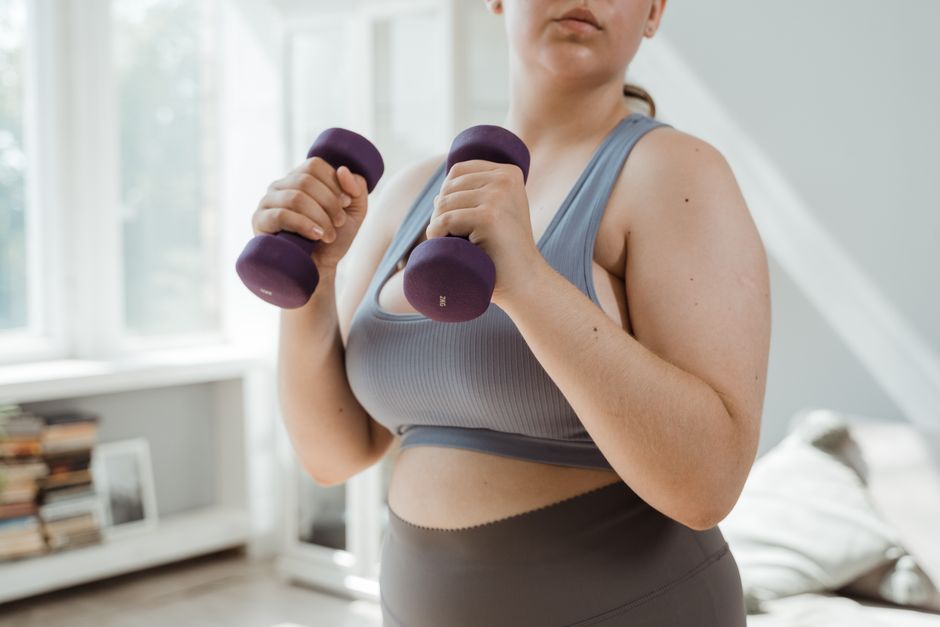
For a woman who is 5 feet 4 inches tall, a healthy weight range typically falls between 108 and 145 pounds. This range is based on Body Mass Index (BMI) standards used by medical professionals worldwide. A BMI between 18.5 and 24.9 is considered normal weight for most adults, and for a 5’4″ frame, that translates to roughly 108 to 145 pounds. Being below 108 pounds is considered underweight, while anything above 145 pounds moves into the overweight category.
What Is The Appropriate Weight For A 5 4 Female?
The most widely accepted answer is 108 to 145 pounds. This range comes from the Body Mass Index scale, which calculates weight relative to height. BMI is not a perfect measure, but it is the standard screening tool that doctors use to assess weight-related health risk.
To calculate BMI, you divide weight in kilograms by height in meters squared. For a 5’4″ woman, the math works out so that every point on the BMI scale equals roughly 4.5 pounds. The healthy BMI range of 18.5 to 24.9 gives you that 108 to 145 pound window.
This range applies to adult women of all ages. Children and teenagers use different growth charts, and older adults may have slightly different considerations. But for a grown woman at 5’4″, this is the standard reference range used in clinical practice.
Why BMI Is Not the Whole Story
BMI has real limitations. It does not distinguish between muscle and fat. A muscular woman at 150 pounds could have a BMI of 25.7, which technically falls in the overweight category, yet have very low body fat and excellent metabolic health.
Body composition matters more than the number on the scale. Two women can weigh exactly the same but have completely different health profiles based on how much of that weight is muscle versus fat. Muscle is denser than fat, so a fit woman may weigh more while wearing a smaller clothing size.
Waist circumference adds important context. Research consistently shows that where you carry fat matters. Fat stored around the abdomen is more strongly linked to heart disease and type 2 diabetes than fat stored in the hips and thighs. A waist measurement above 35 inches for women indicates increased health risk, regardless of overall BMI.
Your personal health history also matters. Blood pressure, cholesterol, blood sugar, and family history all factor into whether a specific weight is healthy for you as an individual. A weight at the higher end of the range may be perfectly fine for one woman and problematic for another.
How Age Affects Healthy Weight
Age changes the picture somewhat. As women age, muscle mass tends to decrease and body fat percentage tends to increase, even when weight stays the same. This means an older woman at 140 pounds may carry more fat than a younger woman at the same weight.
Some research suggests that a slightly higher BMI may be protective for adults over 65. The evidence here is not definitive, but some studies indicate that a BMI in the lower part of the overweight range, around 25 to 27, is associated with better outcomes in older adults. This is likely because a bit of extra weight provides reserves during illness.
For women in their 30s and 40s, staying closer to the middle of the healthy range is generally recommended. The risk of weight-related conditions like high blood pressure and type 2 diabetes increases as weight climbs, and those risks compound with age.
Pregnancy changes weight expectations entirely. During pregnancy, weight gain guidelines are based on your pre-pregnancy BMI. A woman at a healthy weight before pregnancy is typically advised to gain between 25 and 35 pounds over the course of the pregnancy. These are separate guidelines from general healthy weight ranges.





Muscle Mass and Frame Size Considerations
Frame size affects what weight feels and looks right for you. Someone with a larger bone structure will naturally weigh more than someone with a petite frame at the same height. Wrist circumference and elbow breadth are simple ways to estimate frame size, though these measurements are not commonly used in clinical weight assessment.
Physical activity level is a major factor. A woman who lifts weights several times per week will likely have more muscle mass than a sedentary woman of the same height. Her appropriate weight may sit at the higher end of the range, and that is healthy for her.
Athletes often exceed the BMI range while being exceptionally healthy. Studies of elite female athletes frequently show BMIs above 25 with very low body fat percentages. The reverse is also possible — someone can fall within the normal BMI range yet have unhealthy body composition with too much fat and too little muscle.
Rather than fixating on a specific number, consider what weight allows you to move comfortably, maintain strength, and feel energetic. The appropriate weight for you is one that supports your daily function and long-term health, not just a number that fits a chart.
How to Determine Your Ideal Weight Range
Start with the BMI range as a baseline. For 5’4″, that is 108 to 145 pounds. Then add context from your own measurements and health markers.
Measure your waist circumference at the narrowest point, usually just above the belly button. Keep it under 35 inches. Check your blood pressure and fasting blood sugar if you have not done so recently. These numbers give you a clearer picture of metabolic health than weight alone.
Consider your weight history. If you have maintained a certain weight range for years without struggling, that is meaningful information. Your body tends to settle at a set point that reflects your genetics, habits, and environment. Fighting that set point dramatically is usually unsustainable.
Talk to your doctor about your specific situation. They can assess muscle mass, body fat percentage, and metabolic markers to give you a more personalized picture. Some clinics offer body composition analysis that measures fat versus lean mass directly, which is more informative than a scale.
What the Research Shows About Weight and Health Outcomes
Large population studies consistently show a U-shaped relationship between BMI and mortality. People in the middle of the normal weight range tend to have the lowest risk of death from all causes. Risk increases as BMI moves into the underweight or obese categories.
The relationship between overweight and mortality is more debated. Some studies suggest that being slightly overweight, with a BMI between 25 and 30, is not associated with increased mortality risk. Other research contradicts this. The evidence is genuinely mixed, and the debate continues in the medical literature.
What is clearer is the relationship between weight and specific conditions. Type 2 diabetes risk increases steadily as BMI rises. So does the risk of high blood pressure, heart disease, and certain cancers. Weight loss in people who are overweight or obese consistently improves blood sugar control, blood pressure, and cholesterol levels.
Weight loss in people who are already at a normal weight provides no health benefit and can be harmful. If you are within the healthy range, the goal is maintenance, not continued loss. Muscle loss and nutrient deficiencies become real risks when a person at a healthy weight keeps dieting.
Practical Steps for Maintaining a Healthy Weight
Focus on eating patterns rather than short-term diets. Diets that promise rapid weight loss are rarely sustainable, and most people regain the weight within a year. Instead, build habits you can maintain for decades.
Prioritize protein and vegetables at meals. Protein supports muscle maintenance, which becomes increasingly important with age. Vegetables provide fiber and nutrients with relatively few calories. Whole grains and healthy fats round out a balanced diet.
Strength training matters as much as cardio. Resistance exercise builds and preserves muscle, which raises your resting metabolic rate. Two to three sessions per week of strength work is a reasonable target for most women.
Sleep and stress affect weight more than many people realize. Poor sleep disrupts hunger hormones, increasing appetite and cravings. Chronic stress raises cortisol, which promotes abdominal fat storage. Addressing these factors supports weight management in ways that diet alone cannot.
Frequently Asked Questions
What is a healthy weight for a 5’4″ woman?
A healthy weight range for a 5’4″ woman is 108 to 145 pounds based on BMI standards. Your ideal point within that range depends on muscle mass, frame size, and overall health.
Is 150 pounds overweight for a 5’4″ female?
Yes, 150 pounds corresponds to a BMI of 25.7, which falls in the overweight category. However, a muscular woman could be healthy at this weight despite the BMI classification.
What weight is considered obese for a 5’4″ woman?
Obesity begins at a BMI of 30, which is approximately 175 pounds for a 5’4″ woman. At that weight, health risks such as diabetes and heart disease increase significantly.
Does the healthy weight range change with age for women?
Some research suggests a slightly higher BMI may be acceptable for adults over 65. For younger women, staying within the standard 108 to 145 pound range is generally recommended.
