
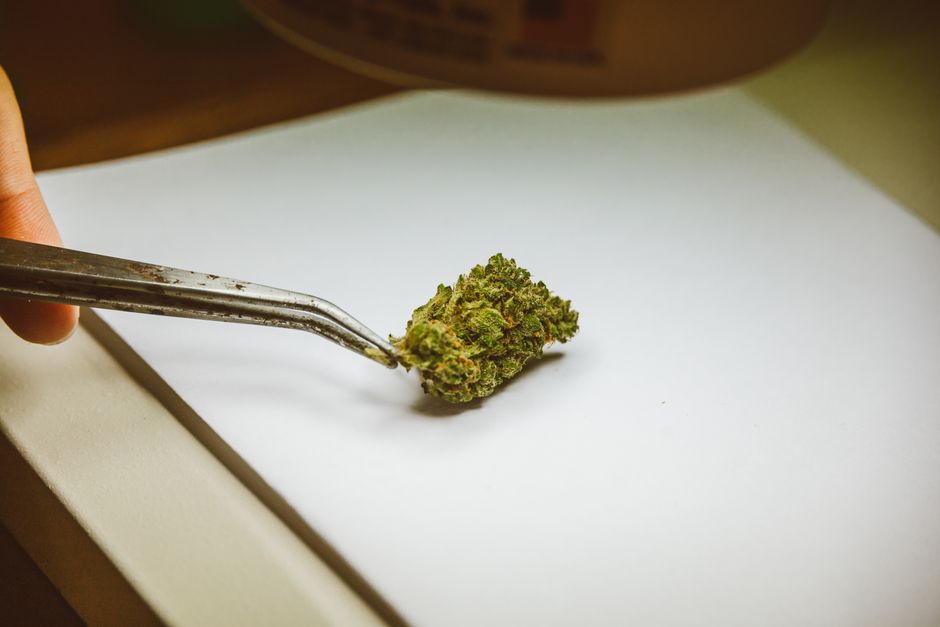
THCVA is a lesser-known cannabinoid found in the cannabis plant, and it sits one step earlier in the production line than THCV. In simple terms, THCVA is the acidic “raw” form that converts into THCV when the plant material is heated or aged. Most people have never heard of it because it appears in tiny amounts in most cannabis varieties and only a handful of labs can even measure it reliably.
The name stands for tetrahydrocannabivarinic acid. The “V” refers to a shorter three-carbon side chain instead of the five-carbon chain found in THC and CBD. That small structural difference is why THCV and THCVA behave differently in the body than the more familiar cannabinoids.
What Is THCVA The Cannabinoid Precursor To THCV?
THCVA is the acid form of THCV, meaning it carries an extra carboxyl group that keeps it in a “raw” state inside the living plant. This is the same relationship that connects THCA to THC and CBDA to CBD. In fresh, unheated cannabis, the acid forms dominate. Heat, light, or time removes that carboxyl group through a process called decarboxylation, and THCVA becomes THCV.
This matters because the two compounds are not interchangeable. THCVA itself is not psychoactive in the way THC is, and early laboratory work suggests it interacts with the body’s endocannabinoid system differently than its decarboxylated cousin. Research on THCVA specifically is still very limited. Most of what scientists know comes from studying THCV, not the acid precursor.
The conversion is not instant and not complete. Even in cannabis that has been dried and cured for months, a portion of THCVA remains unconverted. This is one reason THCV levels in most flower stay low. The plant simply does not make much THCVA to begin with.
How Does THCVA Form in the Cannabis Plant?
THCVA is built through a chain of enzymatic steps that start with simple molecules the plant makes from sugar and amino acids. The pathway begins with olivetolic acid, which combines with a compound called geranyl pyrophosphate to form cannabigerolic acid, or CBGA. From there, specialized enzymes in the plant’s trichomes — the tiny resin glands on the flowers — reshape CBGA into other acidic cannabinoids.
For THCVA, the key enzyme is a synthase that uses a shorter precursor. Instead of the usual five-carbon chain, the plant uses a three-carbon building block called divarinic acid. This produces cannabigerovarinic acid (CBGVA), which is then converted by THCVA synthase into THCVA itself.
Two factors control how much THCVA ends up in a plant:
- Genetics. Only some cannabis varieties carry the enzyme activity needed to make meaningful amounts of THCVA. Most modern strains produce almost none.
- Plant maturity and environment. THCVA levels peak during late flowering and are influenced by light, temperature, and how the plant is handled after harvest.
Because THCVA is a minor cannabinoid, it usually makes up a very small fraction of total cannabinoids in dried flower. In most commercial cannabis, THCV and THCVA together account for well under one percent of the total, though some landrace varieties from southern Africa have been reported to contain higher amounts.
How Does THCVA Turn Into THCV?
Decarboxylation is the chemical reaction that removes the carboxyl group from THCVA and leaves behind THCV. The reaction needs energy, usually in the form of heat. When cannabis is smoked, vaporized, or baked into edibles, the heat drives this conversion within seconds to minutes, depending on temperature.
Time does some of the work too. Cannabis that is stored for long periods at room temperature will slowly decarboxylate on its own, though the process is much slower than applying heat. Light and oxygen can also degrade cannabinoids, so storage conditions affect what is actually present in the product over time.
One point that often gets lost: decarboxylation does not create new cannabinoids out of nothing. It only converts what is already there. If a plant produced very little THCVA, heating it will not produce meaningful THCV. The precursor has to be present in the first place.
This is why some cannabis products labeled as “high THCV” are made from specific cultivars bred for that trait, not from ordinary flower that was simply heated longer.
Is THCVA Psychoactive?
THCVA is not considered psychoactive in the way THC is. The acid forms of cannabinoids generally do not bind strongly to the CB1 receptor, which is the receptor in the brain responsible for the “high” associated with THC. The carboxyl group appears to interfere with that binding.
That said, “not psychoactive” does not mean “no effects.” THCVA may still interact with other parts of the endocannabinoid system, and researchers are only beginning to look at what it does on its own. At this point, no large human trials have examined THCVA’s effects in isolation. Claims about what THCVA does in the body should be treated with caution because the evidence base is thin.
Some laboratory studies suggest THCVA and THCV may interact with receptors involved in appetite and nausea signaling. These are early findings, mostly from cell and animal models. They do not yet translate into confirmed human effects.
How Is THCVA Different From THCV and THC?
The three compounds share a similar core structure but differ in two ways: the length of the side chain and whether the acid group is present. Those differences change how each one behaves.
| Compound | Side chain | Acid group | Psychoactive? |
|---|---|---|---|
| THCVA | 3 carbons | Yes | No (as currently understood) |
| THCV | 3 carbons | No | Debated; generally described as mild or non-intoxicating at low doses |
| THC | 5 carbons | No | Yes |
The shorter side chain in THCV and THCVA is thought to be why THCV does not produce the same intense intoxication as THC in most users. Some reports describe THCV as having a clearer, more stimulating quality, but this is based on user anecdotes rather than controlled studies.
THC is the compound most people are familiar with. It binds strongly to CB1 receptors and produces the well-documented effects of cannabis. THCVA and THCV do not appear to do this to the same degree.
Why Is THCVA Getting Attention Now?
Interest in THCVA comes mostly from the broader trend of studying minor cannabinoids. As legal cannabis markets have grown, researchers and producers have started looking past THC and CBD to the dozens of other compounds the plant makes. THCV has been studied for its possible effects on appetite and blood sugar regulation, and THCVA is the natural starting point for producing it.
There is also a practical angle. If a cultivator wants high-THCV flower, they need genetics that produce high THCVA. Understanding the precursor helps breeders select for it. This is similar to how hemp growers select for CBDA to get higher CBD after processing.
Consumer interest has outpaced the science. You can find THCVA mentioned in marketing for some cannabis products, often with claims that go beyond what research supports. No clinical trials have confirmed specific therapeutic benefits of THCVA in humans. Anyone reading product claims should look for whether the claim is backed by human data or only by lab work.
What Should Consumers Know About THCVA Products?
Products that list THCVA on the label are usually raw or minimally heated cannabis preparations, since heat converts THCVA to THCV. This includes some tinctures, fresh flower, and certain “raw” cannabis products. The amount of THCVA in these products is typically small, and lab testing for THCVA is not standardized across all markets.
A few things worth keeping in mind:
- THCVA content on a label is not the same as THCV content. They are different molecules with different weights.
- Lab reports vary in how carefully they separate THCVA from THCV and other cannabinoids.
- Legal status of THCVA and THCV varies by state and country, and it is not always treated the same as THC.
Anyone considering a cannabis product for a health reason should talk to a clinician familiar with cannabinoids. The evidence for most minor cannabinoids, including THCVA, is not strong enough to support specific medical recommendations.
What Does the Research Actually Show?
Honest answer: not much, and almost none of it involves humans. Most published work on THCVA is chemical or analytical — studies that identify the compound, measure it in plant material, or describe the enzymes that make it. Research on biological effects has focused mainly on THCV, not THCVA.
Some studies suggest THCV may affect appetite and glucose metabolism in animal models, but results in humans are limited and mixed. THCVA itself has not been the subject of large controlled trials. That means any claim about THCVA treating a condition, improving a symptom, or producing a specific effect should be treated as unproven.
This is not a reason to dismiss the compound. It is a reason to be clear about where the science stands. Cannabinoid research moves slowly, and minor cannabinoids like THCVA are early in that process.
Frequently Asked Questions
What is THCVA?
THCVA is tetrahydrocannabivarinic acid, the acidic precursor to THCV found in raw cannabis. It converts to THCV when heated through decarboxylation.
Does THCVA get you high?
THCVA is not considered psychoactive because the acid group appears to prevent strong binding to the CB1 receptor. No human studies have confirmed intoxicating effects from THCVA on its own.
How does THCVA become THCV?
Heat, light, or time removes the carboxyl group from THCVA, leaving THCV behind. This process is called decarboxylation and happens quickly when cannabis is smoked or vaporized.
Is THCVA legal?
Legal status varies by state and country, and THCVA is not always regulated the same way as THC. Check local laws before purchasing or using any cannabis product.
