
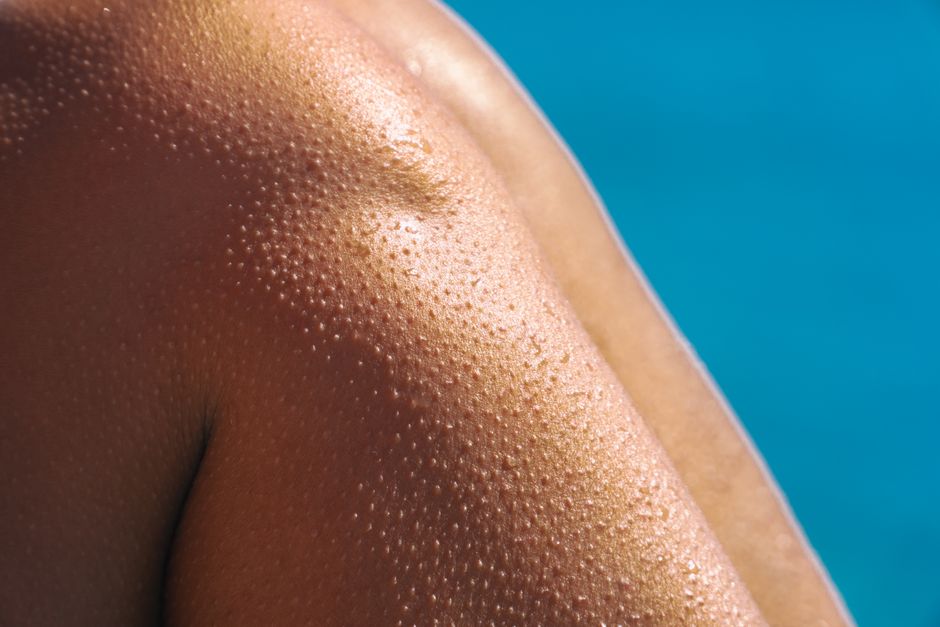
When you pinch the skin on the back of your hand and it takes a moment to settle back down, that is skin tenting. The skin stays lifted in a peak, or tent, instead of snapping back flat instantly. Tenting is a classic sign of dehydration, but it is not the only cause. It can also happen with age, certain medications, or health conditions that affect the skin’s elasticity. Knowing what tenting means helps you decide when it is a simple issue to fix at home and when it requires medical attention.
What Is Tenting Of The Skin And What Does It Mean?
Skin tenting describes what happens when you pinch a fold of skin and it remains raised for a few seconds before returning to its normal position. In a well-hydrated person with healthy skin, the skin snaps back immediately. The delay happens because the skin has lost some of its water content or elasticity, which changes how the tissue responds to pressure.
The medical term for this is reduced skin turgor. Turgor refers to the skin’s ability to change shape and return to normal. When turgor is poor, the skin behaves like a fabric that has lost its stretch. It is a simple physical test that doctors and nurses have used for decades to assess hydration status quickly.
Dehydration is the most common reason for skin tenting. But age, sun damage, and certain medical conditions can also produce the same physical finding even when fluid levels are normal. That is why the test is never used alone. It is one piece of a larger picture that includes other symptoms like dry mouth, fatigue, or changes in urine output.
How Do You Check For Skin Tenting Correctly?
The test is simple, but technique matters. Use two fingers to pinch a fold of skin on the back of the hand, the lower arm, or the abdomen. Hold it for a few seconds, then release. Watch how quickly the skin returns to its original position.
In an infant or young child, the best place to check is the abdomen or the thigh. In older adults, the back of the hand or the collarbone area works well. The skin on the fingers and toes is too thin and can give misleading results.
The timing of the snap-back is the key observation. Immediate return means normal turgor. A delay of two seconds or more suggests reduced turgor. In severe cases, the skin may stay tented for several seconds before slowly flattening out. Some clinicians also note whether the skin feels dry, cool, or clammy, as these are additional clues about the person’s overall condition.
What Causes Skin To Tent Besides Dehydration?
Dehydration is the leading cause, but it is not the only one. Understanding the other causes prevents unnecessary worry and helps you interpret the test accurately.
Age-related changes are a major factor. As we age, the skin produces less collagen and elastin, the proteins that give skin its firmness and recoil. The skin becomes thinner and loses some of its ability to snap back. This is a normal part of aging, not a sign of illness. Many healthy older adults show mild skin tenting on the back of the hands even when fully hydrated.
Sun damage accelerates this process. Chronic sun exposure breaks down collagen and elastin fibers over time. The skin becomes leathery and less elastic, which can cause tenting even in middle age.
Certain medications can affect skin turgor. Diuretics, often called water pills, increase urine output and can lead to dehydration. Antihistamines and some blood pressure medications may also reduce skin moisture levels.
Medical conditions that affect the skin directly can cause tenting. Scleroderma, a condition that causes hardening and tightening of the skin, is one example. Some thyroid disorders and nutritional deficiencies can also reduce skin elasticity. In these cases, tenting is not related to hydration at all.



When Is Skin Tenting A Sign Of A Serious Problem?
Skin tenting becomes concerning when it appears alongside other signs of dehydration. Mild dehydration causes thirst, dry mouth, and darker urine. Moderate dehydration adds fatigue, dizziness, and reduced urine output. Severe dehydration is a medical emergency.
In adults, seek medical care if skin tenting is accompanied by confusion, rapid heartbeat, fainting, or no urination for more than eight hours. These signs indicate that fluid loss has reached a level that affects organ function.
In infants and young children, the threshold for concern is lower. Babies dehydrate faster than adults because their bodies hold more water and lose it more quickly. Call a doctor if a child has skin tenting along with a dry diaper for six hours, sunken eyes, no tears when crying, or unusual sleepiness. These are warning signs that should not be ignored.
In older adults, skin tenting is often a combination of age-related elasticity loss and mild dehydration. The physical sign alone is not alarming, but it becomes more meaningful when paired with confusion, weakness, or a recent illness that caused vomiting or diarrhea.
How Is Skin Tenting Treated?
Treatment depends entirely on the cause. When dehydration is the culprit, rehydration is the answer. For mild dehydration, drinking water or an oral rehydration solution is usually sufficient. Oral rehydration solutions contain water, electrolytes, and sugar in proportions that help the body absorb fluids more effectively than plain water alone.
Sports drinks are not the same as oral rehydration solutions. They contain more sugar and fewer electrolytes, which makes them less effective for treating dehydration. They are designed for athletes replacing fluids after exercise, not for someone who is dehydrated from illness.
For moderate dehydration, a doctor may recommend an over-the-counter oral rehydration product. These are available in pharmacies without a prescription and come in liquid or powder form. Follow the package instructions carefully.
Severe dehydration requires intravenous fluids in a medical setting. This is not something that can be managed at home. IV fluids deliver water and electrolytes directly into the bloodstream, which restores hydration much faster than drinking.
When skin tenting is caused by aging or sun damage rather than dehydration, rehydration will not change the physical finding. The skin remains less elastic because its structural proteins have changed. Moisturizers can improve the appearance and feel of the skin, but they do not restore elasticity. No topical product has been shown to reverse the collagen loss that causes age-related skin tenting.
Can You Prevent Skin Tenting?
Preventing dehydration is the most effective strategy. Drink enough fluids throughout the day, especially in hot weather, during exercise, or when you are ill. The amount of water a person needs varies by body size, activity level, and climate, so there is no single number that works for everyone. A practical approach is to drink when thirsty and to monitor urine color. Pale yellow urine generally indicates adequate hydration, while dark yellow or amber suggests you need more fluids.
Protecting your skin from sun damage preserves elasticity over time. Use sunscreen, wear protective clothing, and avoid prolonged sun exposure, especially during peak hours. These habits do not reverse existing damage, but they slow further breakdown of collagen and elastin.
Moisturizing does not prevent tenting, but it keeps the outer layer of skin hydrated, which improves its texture and appearance. Look for products containing ceramides or hyaluronic acid, which help the skin retain moisture. These products work on the surface of the skin and do not affect the deeper structural changes that cause tenting.
What Else Could Cause Skin Changes Similar To Tenting?
Skin tenting is sometimes confused with other skin findings, but they are distinct. Edema, or swelling from fluid retention, causes the skin to feel tight and puffy. When you press on edematous skin, it leaves an indentation that slowly fills back in. This is called pitting edema, and it is different from tenting.
Loose, wrinkled skin can also look like tenting at first glance. This often happens after significant weight loss or after pregnancy. The skin has lost some of its underlying fat support, which makes it appear loose. However, when pinched, it returns to position normally because the skin itself remains elastic.
If you are unsure whether what you are seeing is true tenting, focus on the timing of the snap-back. True tenting involves a visible delay. Loose skin returns immediately. If the finding is new, persistent, or accompanied by other symptoms, a healthcare provider can help determine the cause.
Frequently Asked Questions
How long does skin tenting last?
Mild tenting usually resolves within seconds to a few minutes after drinking fluids. If tenting persists for hours despite rehydration, it may not be dehydration-related and warrants medical evaluation.
Can skin tenting happen without dehydration?
Yes. Aging, sun damage, certain medications, and conditions like scleroderma can cause skin tenting even when hydration is normal.
Is skin tenting dangerous?
Skin tenting itself is not dangerous, but it can signal dehydration that needs attention. Seek medical care if it occurs with confusion, rapid heartbeat, or no urination for many hours.
Does drinking more water fix skin tenting?
Only if dehydration is the cause. If tenting results from age or sun damage, extra water will not change the skin’s elasticity.
