
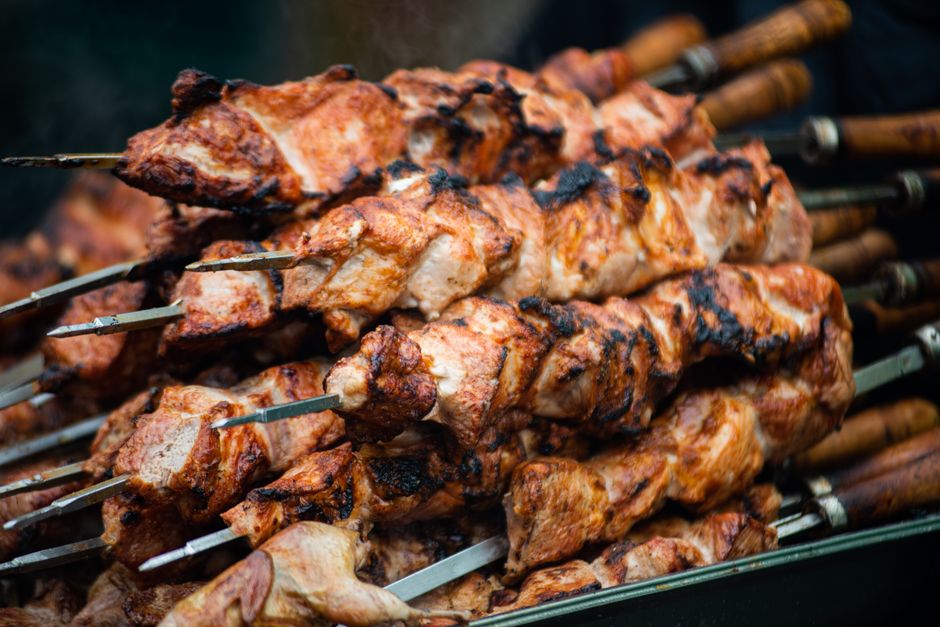
Tenderness is the quality that makes meat easy to chew and pleasant to bite through. It comes down to three things: how much connective tissue the muscle contains, how the muscle was used in the animal, and how the meat is cooked. Meat is mostly water, protein, and fat. The protein side is a mix of muscle fibers and connective tissue, and the balance between them largely decides whether a cut turns out soft or tough.
Understanding that balance explains a lot. It explains why a chicken breast and a beef shank can come from healthy animals yet behave completely differently in a pan. It also explains why some cuts get tender with a quick sear and others need hours of slow heat.
What Actually Makes Meat Tough or Tender?
Two proteins do most of the work. The first is myosin and the other contractile proteins inside muscle fibers. The second is collagen, the main structural protein in connective tissue. Toughness is mostly about collagen — how much there is and how heavily it is cross-linked.
Muscles that do a lot of work, like the shoulder or the legs, carry more collagen and thicker connective tissue sheaths. Muscles that mostly rest, like the tenderloin, carry very little. That is why the same animal yields both a filet and a shank.
Collagen behaves differently depending on heat and moisture. Cooked gently and wet, it gradually dissolves into gelatin, which is soft and slightly sticky. Cooked hot and dry, it tightens and squeezes out moisture before it has a chance to break down. This is the single most useful fact in meat cookery: the same collagen that makes a cut tough can make it tender, depending on how you treat it.
Age matters too. As animals get older, collagen forms more cross-links and becomes harder to dissolve. That is why meat from older animals tends to be tougher than meat from young ones.
Why Do Some Cuts Get Tender With Slow Cooking and Others With Fast Heat?
It comes down to how much collagen a cut contains and how thick the muscle fibers are. Cuts with little collagen and fine fibers — tenderloin, chicken breast, most fish — are tender already and only need brief cooking. Overcook them and the muscle fibers contract hard and squeeze out water, and the meat turns dry and chewy.
Cuts with a lot of collagen — beef chuck, brisket, pork shoulder, lamb shank — start out tough. Given time at a gentle temperature with moisture, that collagen converts to gelatin and the meat becomes soft and rich. Given a quick blast of high heat, the collagen tightens and the meat stays tough.
This is why the two cooking methods are not interchangeable. A quick sear suits a tender cut. A long braise suits a tough one. Matching the method to the cut is most of the skill.
How Does Cooking Temperature Affect Tenderness?
Heat changes meat proteins in stages, and each stage has a different effect on texture. Understanding roughly what happens at different temperatures helps explain why the same cut can be juicy or dry depending on how it is cooked.
- Around 120–140°F (49–60°C), muscle proteins begin to denature and the meat starts to firm up, but it stays relatively juicy.
- Around 140–160°F (60–71°C), the fibers contract more and lose water. Collagen is starting to shrink and tighten.
- Above roughly 160°F (71°C), collagen slowly begins to dissolve into gelatin, but only if the meat is held there with moisture for a long time.
The key insight is that collagen breakdown is slow. It takes hours at braising temperatures, not minutes. That is why a stew improves the longer it simmers, within reason, and why a tough cut cooked fast stays tough no matter how long you sear it.
There is a practical wrinkle here. Very tender cuts like chicken breast are best cooked to a relatively low internal temperature and then rested. Tough cuts are cooked well past that point on purpose, because the goal shifts from protecting the fibers to dissolving the collagen. The target temperature depends entirely on which kind of cut you have.
Does Resting Meat Make It More Tender?
Resting helps, but the effect is often overstated. When meat comes off the heat, the muscle fibers are still contracting and moisture is being pushed toward the surface. Letting it sit for a few minutes allows some of that moisture to redistribute back into the fibers, so less is lost when you cut into it.
The result is a juicier piece of meat, and juiciness reads as tenderness to most people. Resting does not dissolve collagen or change the underlying structure. It mainly prevents the loss of moisture that would otherwise make the meat feel dry and firm.
Resting time scales with the size of the cut. A small steak needs only a few minutes. A large roast benefits from longer. There is no single correct number, and the guidance varies by cut and cooking method.
What About Aging, Marinating, and Mechanical Tenderizing?
Several other methods affect tenderness, and they work in different ways. It helps to know which ones change the meat itself and which mostly change the surface.
Aging is the natural breakdown of muscle proteins by enzymes in the meat after slaughter. Over days or weeks, those enzymes weaken the muscle structure and improve tenderness. Dry aging and wet aging both rely on this, though they produce different flavors and moisture losses.
Marinating is often misunderstood. Most marinades flavor the surface and add moisture, but they do not penetrate deeply into the meat. Acidic marinades can soften the surface slightly, but the effect is limited and can go too far, making the outside mushy. No common marinade tenderizes a thick cut all the way through.
Mechanical tenderizing — needling, cubing, or pounding — physically breaks up muscle fibers and connective tissue. It works, but it also introduces a food safety consideration. Needling can push surface bacteria into the interior of the meat, which is why mechanically tenderized beef should be cooked more thoroughly than intact muscle. This is a real safety point, not a minor one.
Enzymatic tenderizers like papain, bromelain, and ficin break down proteins directly. They work, but unevenly, and can turn the surface to mush while leaving the center firm. They are best used with care and short contact times.
Is “Tender” the Same as “Safe” or “High Quality”?
No. Tenderness is one texture attribute, and it is not a measure of safety, nutrition, or overall quality. A very tender piece of meat can still be undercooked, and a less tender cut can be perfectly safe and nutritious.
Food safety depends on reaching a safe internal temperature, not on how soft the meat feels. Ground meat, poultry, and mechanically tenderized beef carry particular risks and need to be cooked to safe temperatures regardless of texture. Tenderness and safety are separate questions, and treating a soft texture as a sign of doneness is a mistake.
Quality is broader still. Flavor, juiciness, and tenderness are different qualities, and a cut can score high on one and low on another. Some of the most flavorful cuts are also the toughest, which is exactly why they reward slow cooking.
What Is the Most Reliable Way to Get Tender Meat?
Match the cut to the cooking method, and control temperature and moisture. This is more reliable than any single trick, gadget, or marinade. Tender cuts want brief, moderate heat. Tough cuts want time, gentle heat, and moisture.
Beyond that, a few habits help. Do not overcook tender cuts. Give meat a short rest before slicing. Cut across the grain, which shortens the muscle fibers you have to chew through. And use a thermometer rather than guesswork, especially for poultry and ground meat.
No method guarantees perfect tenderness every time. Meat varies from animal to animal and cut to cut. But understanding the collagen story takes most of the guesswork out of it.
Frequently Asked Questions
What makes meat tender?
Meat is tender when it has little connective tissue, fine muscle fibers, and is cooked in a way that does not over-contract those fibers. In tough cuts, gentle moist heat dissolves collagen into gelatin over time, which is what makes them soft.
Does slow cooking make tough meat tender?
Yes, for cuts with a lot of collagen. Held at braising temperatures with moisture for a long enough time, collagen breaks down into gelatin and the meat becomes soft. It does not work the same way for already-tender cuts, which can dry out with long cooking.
Does marinating actually tenderize meat?
Only slightly, and mostly at the surface. Most marinades add flavor and moisture but do not penetrate deeply enough to tenderize a thick cut all the way through.
Is mechanically tenderized beef safe to eat rare?
It carries more risk than intact beef because needling can push surface bacteria into the interior. For that reason, food safety guidance generally calls for cooking mechanically tenderized beef more thoroughly than intact steaks.
