
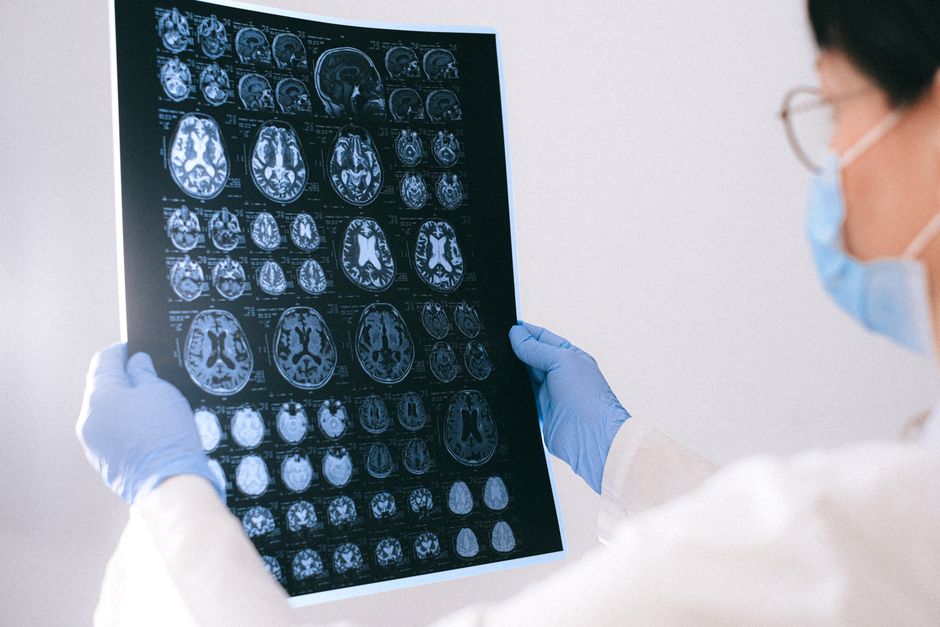
Temporal lobe epilepsy is the most common form of focal epilepsy in adults. It starts in the temporal lobe — the region of the brain that handles memory, emotion, and sound processing — and it produces seizures that can look very different from the convulsive seizures most people picture.
Its causes range from structural changes in the brain, such as hippocampal sclerosis, to head injuries, infections, tumors, and genetic factors. In many cases no specific cause is ever identified. Treatment usually begins with antiseizure medications, and when those do not control seizures, surgery and some device-based options can be considered.
What Is Temporal Lobe Epilepsy Causes Treatment?
Temporal lobe epilepsy is a chronic seizure disorder in which abnormal electrical activity begins in one or both temporal lobes. It is classified as a focal epilepsy, meaning seizures start in one area of the brain rather than involving both hemispheres at once.
Temporal lobe epilepsy is often divided into two types based on where the seizures begin. Mesial temporal lobe epilepsy starts in deep structures like the hippocampus and amygdala. Lateral temporal lobe epilepsy starts in the outer surface of the temporal lobe. Mesial temporal lobe epilepsy is more common and is frequently associated with a specific structural change called hippocampal sclerosis.
Doctors diagnose it using a combination of seizure history, brain imaging, and electroencephalography (EEG). Because temporal lobe seizures can be subtle — and because their symptoms overlap with anxiety, panic, and certain psychiatric conditions — diagnosis often takes time.
What Does a Temporal Lobe Seizure Feel Like?
Many temporal lobe seizures begin with an aura, which is actually the first part of the seizure itself. Auras can include a sudden wave of fear or dread, a rising sensation in the stomach, a strange smell or taste, or a feeling of déjà vu. These experiences are real neurological events, not psychological ones.
During the seizure, awareness may be impaired. The person might stare, stop responding, or make repetitive movements like lip-smacking, chewing, or fumbling with their hands. These are called automatisms. A temporal lobe seizure typically lasts between 30 seconds and two minutes.
Afterward, a person may feel confused, tired, or have trouble finding words. This post-seizure phase is called the postictal period and can last minutes to hours. Some people get a headache or feel emotionally drained.
Because these seizures do not involve convulsions, they are sometimes mistaken for daydreaming, intoxication, or a psychiatric episode. That misunderstanding is one reason temporal lobe epilepsy can go undiagnosed for years.
What Causes Temporal Lobe Epilepsy?
The causes fall into a few broad categories. In mesial temporal lobe epilepsy, the most commonly identified structural cause is hippocampal sclerosis — scarring and loss of neurons in the hippocampus. Research has found that this change is present in a large share of people with drug-resistant mesial temporal lobe epilepsy, though the exact reason it develops is still debated.
Other known causes include:
- Prolonged febrile seizures in early childhood, which some evidence links to later hippocampal changes
- Traumatic brain injury, especially moderate to severe injuries
- Central nervous system infections such as meningitis or encephalitis
- Brain tumors, including slow-growing ones in the temporal lobe
- Stroke or vascular malformations
- Developmental abnormalities of the cortex
- Genetic factors, including some inherited epilepsy syndromes
In a significant number of cases, no cause is ever found. This is called cryptogenic or unknown-cause epilepsy. That does not mean nothing is wrong — it means current testing cannot identify the underlying reason.
It is worth separating two ideas that often get blurred. A structural change like hippocampal sclerosis is strongly associated with temporal lobe epilepsy, but having that change does not guarantee someone will develop seizures. The relationship runs in both directions and is not fully understood.





How Is Temporal Lobe Epilepsy Diagnosed?
Diagnosis starts with a detailed description of the seizures. Because the person having them may not remember, accounts from family members or witnesses are often essential. Doctors ask about what happened before, during, and after each event.
An EEG records the brain’s electrical activity and can show the abnormal patterns typical of temporal lobe seizures. A routine EEG may miss them, so prolonged or video EEG monitoring is sometimes used.
MRI is the key imaging test and can reveal hippocampal sclerosis, tumors, or other structural abnormalities. High-resolution MRI protocols designed specifically for epilepsy are more sensitive than standard scans.
Blood tests and other studies may be done to rule out conditions that can mimic seizures, such as low blood sugar, infections, or cardiac problems. Not every episode that looks like a seizure is one, and distinguishing epileptic seizures from other events matters for treatment.
How Is Temporal Lobe Epilepsy Treated?
Antiseizure medications are the first-line treatment. A number of drugs are used, and the choice depends on seizure type, side effects, other health conditions, and individual factors. Roughly speaking, medication controls seizures in a substantial portion of people, but a meaningful minority continue to have seizures despite trying multiple drugs. This is called drug-resistant or refractory epilepsy.
When medications do not work, other options may be considered:
- Epilepsy surgery, most often removing or disconnecting the affected part of the temporal lobe. For carefully selected patients with mesial temporal lobe epilepsy, surgery can significantly reduce or eliminate seizures.
- Vagus nerve stimulation (VNS), a device implanted under the skin that sends signals to the brain via a nerve in the neck. It reduces seizure frequency in some people but rarely eliminates seizures entirely.
- Responsive neurostimulation (RNS), a device that detects abnormal activity and delivers a small electrical pulse to interrupt it.
- Dietary therapy, such as the ketogenic diet, which is used mainly in children and in some adults with drug-resistant epilepsy.
No treatment works for everyone, and no approach eliminates seizures in all cases. The goal is usually the best possible seizure control with the fewest side effects.
Some clinicians also recommend lifestyle measures such as adequate sleep, limiting alcohol, and managing stress, since these factors can lower the seizure threshold in some people. The strength of evidence for individual triggers varies, and this is an area where personal experience often guides decisions.
What Is Life Like With Temporal Lobe Epilepsy?
Most people with temporal lobe epilepsy lead full lives. Seizures can affect driving privileges, certain jobs, and some activities, and these restrictions vary by state and by how well seizures are controlled.
Memory and mood can be affected. The temporal lobe plays a central role in memory, and both seizures and some medications can influence cognitive function. Depression and anxiety are more common in people with epilepsy than in the general population, and treating those conditions is part of good care.
Support from neurologists, epilepsy specialists, and sometimes neuropsychologists can make a real difference. Epilepsy centers that offer comprehensive evaluation are often helpful for people whose seizures are not controlled by medication.
Can Temporal Lobe Epilepsy Be Prevented?
Most cases cannot be prevented, because the underlying causes are often not modifiable. Preventing head injuries through helmet use and safe practices reduces one known risk factor. Prompt treatment of central nervous system infections is another.
For people who already have the condition, the focus shifts from prevention to management. Taking medication consistently, keeping regular appointments, and identifying personal triggers can help reduce seizure frequency.
It is honest to say that no lifestyle measure has been proven to prevent temporal lobe epilepsy from developing in someone at risk. Claims otherwise are not supported by current evidence.
Frequently Asked Questions
Is temporal lobe epilepsy the same as a seizure disorder?
Temporal lobe epilepsy is one specific type of seizure disorder, defined by where seizures begin in the brain. “Seizure disorder” is a broader term that includes many different epilepsy types.
Can temporal lobe epilepsy be cured?
There is no cure for the underlying condition, but surgery can eliminate seizures in some people with drug-resistant mesial temporal lobe epilepsy. Medications control seizures in many others, though not everyone achieves full seizure freedom.
What triggers temporal lobe seizures?
Commonly reported triggers include missed medication, sleep deprivation, stress, and alcohol. The evidence for individual triggers varies, and triggers can differ from person to person.
Is temporal lobe epilepsy dangerous?
The seizures themselves are usually not life-threatening, but they can be dangerous if they occur during activities like driving or swimming. Sudden unexpected death in epilepsy is a rare but real risk, particularly in people with poorly controlled seizures.
