
Tarragon is a kitchen herb with a long history in traditional medicine, and it keeps showing up in claims about blood sugar, sleep, and appetite. The honest answer is that tarragon is a pleasant, low-calorie herb with some early-stage research behind a few of its proposed effects — but the human evidence is thin, and most of the strongest findings come from animal studies or small trials. It is not a treatment for diabetes, insomnia, or any other condition.
What tarragon is genuinely good for is flavor. It adds a distinct anise-like taste to food without adding calories, sodium, or sugar. That matters more than it sounds, because herbs are one of the simplest ways to make home cooking more enjoyable without leaning on salt or fat. The medicinal claims are where things get murky, and this article separates what research actually supports from what is mostly marketing.
What Is Tarragon Good For From Blood Sugar To Sleep?
Tarragon’s reputation rests on a handful of compounds, mainly estragole, which gives the herb its licorice-like aroma, and various flavonoids and phenolic acids found in the leaves. Lab and animal studies have looked at whether these compounds affect blood glucose, inflammation, and the nervous system. Human trials are far fewer, and most are small.
Two species are sold as tarragon. French tarragon (Artemisia dracunculus) is the culinary type, grown from cuttings because it rarely sets viable seed. Russian tarragon (Artemisia dracunculus var. inodora) is hardier, milder in flavor, and is the type most often used in the supplement research. This distinction matters. A study using Russian tarragon extract tells you little about the French tarragon in your kitchen, and vice versa.
So what is it good for? As a seasoning, it is excellent and essentially risk-free in normal food amounts. As a medicine, the evidence is early and mixed. Below is what the research shows for each claim.
Does Tarragon Lower Blood Sugar?
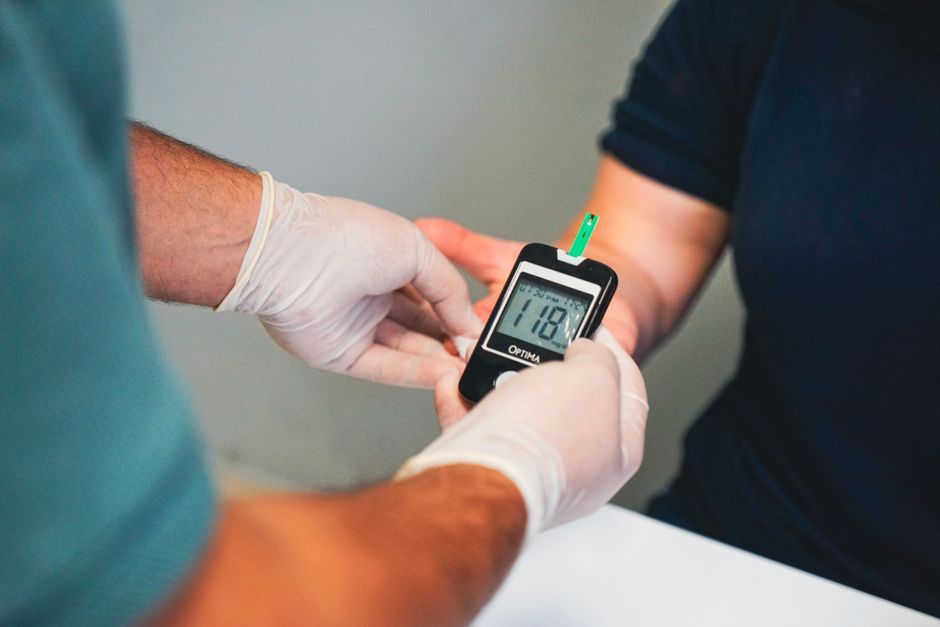
This is the most studied claim, and the results are genuinely mixed. Some small human trials using Russian tarragon extract have reported improvements in glucose tolerance, while others have found no meaningful effect. The studies tend to be small, short, and conducted in specific groups, which limits how much you can generalize from them.
Animal research has been more consistent. Rodent studies have found that tarragon extracts can lower fasting glucose and improve insulin sensitivity. But mice and rats are not people, and a compound that works in a rodent model frequently fails in human trials. Biological plausibility is not the same as proven benefit.
One plausible mechanism involves compounds in tarragon that may influence how the body handles glucose. Whether that translates into a real clinical effect in people with diabetes is not established. No major diabetes organization recommends tarragon as a treatment, and it should never replace prescribed medication, diet, or monitoring.
If you have diabetes and want to try adding tarragon to your cooking, that is a reasonable and low-risk choice. Treating it as a therapy is not. If you take blood sugar medication, talk to your clinician before using concentrated tarragon supplements, since combining glucose-lowering agents can in theory push blood sugar too low.
Can Tarragon Help With Sleep?
Tarragon has a traditional folk reputation as a calming herb, and it is sometimes included in bedtime tea blends. The evidence for a sleep benefit in humans is very limited. Most of what exists comes from animal studies or from traditional use rather than controlled trials.
Some research has examined whether compounds in certain Artemisia species affect the nervous system, and there is interest in whether they interact with pathways involved in relaxation. That is a starting point for investigation, not proof of an effect on sleep in people. No well-designed human trial has confirmed that tarragon improves sleep quality, shortens the time it takes to fall asleep, or helps with insomnia.
If a cup of tarragon tea helps you wind down, the ritual itself may be doing much of the work. Warm, caffeine-free drinks are a common and harmless part of many people’s evening routines. Just do not expect the herb to act like a sleep medication.





What About Appetite, Digestion, and Inflammation?
Tarragon has been used traditionally to stimulate appetite and ease digestion. Some animal studies suggest its extracts may affect appetite-regulating hormones, and there is interest in whether it influences inflammatory markers. Human data on all three of these areas is sparse.
Traditional use is not the same as demonstrated effect. Cultures have used countless herbs for digestion over centuries, and some of that wisdom holds up under study while much of it does not. For tarragon, the honest position is that these claims are plausible but not confirmed by solid human trials.
What is confirmed is that herbs like tarragon can make vegetables and lean proteins more appealing. If a well-seasoned meal helps you eat a more balanced diet, that indirect benefit is real even if the herb itself is not doing anything pharmacological.
How Does Tarragon Compare to Other Culinary Herbs?
Tarragon is not a nutritional powerhouse in the way some herbs are. It is used in small amounts, so its contribution of vitamins and minerals to your diet is modest. Where it stands apart is flavor, not nutrient density.
| Herb | Typical Use | Main Research Interest |
|---|---|---|
| Tarragon | Small amounts, fresh or dried | Blood sugar, appetite (early, mixed) |
| Basil | Small to moderate amounts | Antioxidants, inflammation |
| Oregano | Small amounts, often dried | Antimicrobial compounds |
| Rosemary | Small amounts | Antioxidants, memory (early) |
None of these herbs is a substitute for medical treatment. They are seasonings that happen to contain compounds researchers find interesting. That framing keeps expectations realistic.
Is Tarragon Safe, and Who Should Be Careful?
Tarragon used as a culinary herb is generally considered safe in normal food amounts. The safety picture changes with concentrated supplements, which deliver far higher doses of active compounds than you would ever get from food.
One compound worth knowing about is estragole. It is a natural component of tarragon, basil, and some other herbs. At the levels found in food, it is not considered a health concern for most people. At high doses in animal studies, estragole has shown the potential to cause harm, which is one reason concentrated supplements deserve caution rather than enthusiasm.
People who are pregnant or breastfeeding should be conservative with tarragon supplements. No clinical guidelines establish safe supplemental doses for these groups, so the prudent approach is to stick to food amounts and avoid concentrated products. The same caution applies to infants and young children.
Tarragon is in the same plant family as ragweed, chrysanthemums, and marigolds. People with allergies to those plants may react to tarragon. If you have a known allergy to this plant family, be cautious.
Tarragon may also interact with blood-thinning medication and with drugs that affect blood sugar. If you take either, talk to your clinician before using tarragon in large amounts or as a supplement.
How Should You Use Tarragon?
Fresh French tarragon has the best flavor and is worth seeking out in season. Dried tarragon is more widely available but loses much of its character, so use a little more when substituting. Add it toward the end of cooking to preserve the aroma.
It works well with eggs, chicken, fish, potatoes, and light vinaigrettes. A classic use is in sauces where its anise note balances richness. If you are new to it, start with a small amount — the flavor is distinctive and can overwhelm a dish quickly.
For anyone curious about the health claims, the practical takeaway is simple. Use tarragon as a seasoning, enjoy it, and do not rely on it to manage a medical condition. If you want to explore it as a supplement, that is a conversation to have with a clinician who knows your health history and medications.
Frequently Asked Questions
Does tarragon lower blood sugar in humans?
Some small human trials using Russian tarragon extract have reported improvements in glucose tolerance, but results are mixed and the studies are limited. No major diabetes organization recommends tarragon as a treatment.
Can tarragon help you sleep?
No well-designed human trial has confirmed that tarragon improves sleep. Its calming reputation is based mainly on traditional use and early research rather than controlled studies in people.
Is it safe to eat tarragon every day?
Tarragon used as a culinary herb in normal food amounts is generally considered safe for most people. Concentrated supplements deliver much higher doses and warrant more caution, especially during pregnancy or breastfeeding.
Who should avoid tarragon?
People allergic to ragweed, chrysanthemums, or related plants may react to tarragon. Anyone taking blood thinners or blood sugar medication should check with a clinician before using large amounts or supplements.
