
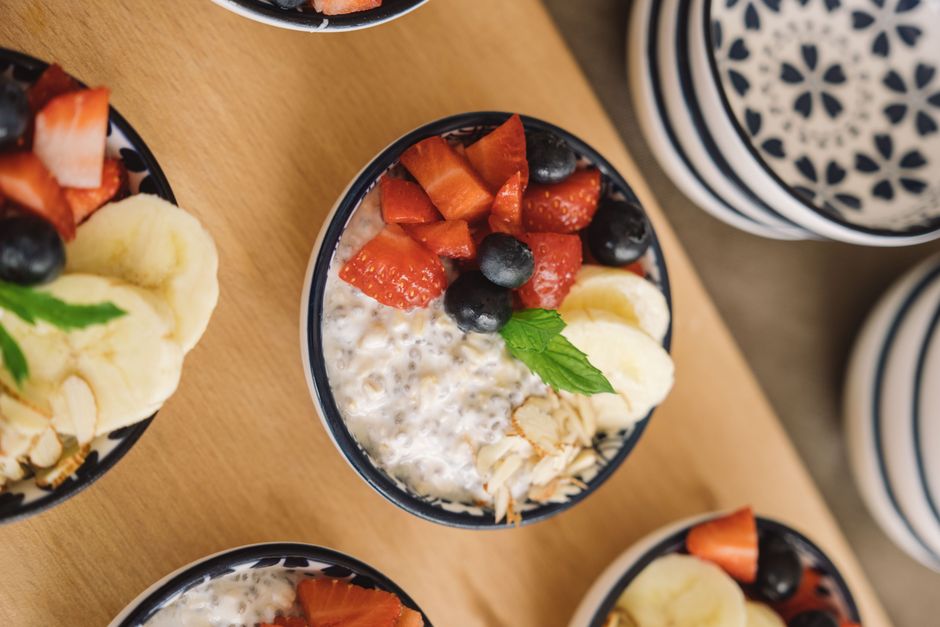
Tapioca pudding is a sweet, creamy dessert made from small pearls of cassava starch cooked in milk or water with sugar. The pearls turn soft and slightly chewy, and the mixture thickens into a pudding as the starch absorbs liquid and swells. It is a simple dish with a long history, popular in many parts of the world under names like sago pudding, sabudana kheer, and bubur cha cha.
What Is Tapioca Pudding Made Of?
Tapioca pudding has three core ingredients: tapioca starch, liquid, and sweetener. Most recipes use milk, but water or plant-based milks work too. Sugar, vanilla, and sometimes eggs round out the flavor and texture.
The tapioca itself comes from cassava, a root vegetable native to South America. Cassava root is starchy and not very nutritious on its own, but it is cheap to grow and calorie-dense. To make tapioca pearls, manufacturers extract starch from the cassava root, shape it into small balls, and dry them. The pearls are then sold in different sizes, from tiny specks to larger balls about the size of a pea.
Cassava contains naturally occurring cyanide compounds. Raw cassava is toxic. Processing — soaking, grinding, and heating — removes or breaks down these compounds. Commercial tapioca starch is processed to be safe. This is why you should never try to make tapioca from raw cassava root at home without proper processing knowledge.
Instant tapioca, sometimes sold as minute tapioca, is precooked and dried. It cooks faster than traditional pearls. Both work in pudding, but the texture differs. Instant tapioca gives a smoother, more uniform pudding. Traditional pearls stay distinct and chewy.
How Does Tapioca Pudding Thicken?
Tapioca starch thickens through a process called gelatinization. When starch granules are heated in liquid, they absorb water and swell. The granules burst, releasing starch molecules that trap water and create a gel network. This is the same basic process that thickens gravy with cornstarch or flour.
Tapioca starch has some properties that make it useful in food production. It thickens at relatively low temperatures compared to some other starches. It also has a neutral taste, so it does not mask other flavors. It freezes and thaws without breaking down as much as cornstarch does, which is why it appears in frozen foods.
The amount of starch, the cooking time, and the temperature all affect how thick the final pudding becomes. Too little starch and you get a thin soup. Too much and you get a rubbery paste. Most recipes are forgiving, but the ratio matters.
One non-obvious point: tapioca starch thickens differently depending on what liquid you use. Milk contains fat and protein that can interfere slightly with gel formation compared to water. This is why some recipes call for a bit more tapioca when using whole milk versus skim.
Is Tapioca Pudding Gluten-Free?
Yes. Tapioca starch contains no gluten. It comes from cassava root, which is not a grain and does not contain the proteins that trigger celiac disease or gluten sensitivity. People following a gluten-free diet can generally eat tapioca pudding without concern about gluten.
However, cross-contamination is a real risk. If a product is processed in a facility that also handles wheat, barley, or rye, small amounts of gluten can get in. If you have celiac disease, look for products labeled gluten-free, which means they meet regulatory standards for gluten content.
Some pudding mixes contain other ingredients that might contain gluten, such as malt flavoring or thickeners derived from wheat. Always check the label if gluten is a concern.





What Is the Nutritional Profile of Tapioca Pudding?
Tapioca pudding is mostly carbohydrate and sugar. It is not a significant source of protein, fiber, vitamins, or minerals. The exact nutrition depends on the recipe, but the general picture is consistent.
A typical half-cup serving of tapioca pudding made with whole milk and sugar contains roughly:
- Calories: 110-150
- Carbohydrates: 20-25 grams
- Sugar: 12-18 grams
- Protein: 2-4 grams
- Fat: 2-5 grams
These numbers vary widely. A version made with water and less sugar could be lower in calories and sugar. A version made with cream and eggs could be higher in fat and protein. The values above are estimates based on common commercial and homemade recipes.
Tapioca starch itself has almost no nutritional value beyond calories. It is a refined carbohydrate. The milk and eggs in the pudding contribute most of the protein and fat. If you are watching your blood sugar, tapioca pudding is not a good choice. It has a high glycemic index, meaning it raises blood sugar quickly.
For people with diabetes or prediabetes, this is worth knowing. The starch is rapidly digested and absorbed. Pairing it with fat or protein can slow that down somewhat, but the effect is modest.
How Do You Make Tapioca Pudding?
The basic method is simple. Soak the tapioca pearls if the package says to. Heat milk or water with the pearls over medium heat. Stir constantly to prevent sticking. When the pearls turn translucent and the mixture thickens, add sugar and flavoring. Cook a few more minutes, then cool. The pudding thickens more as it cools.
Eggs are optional. Some recipes temper beaten eggs into the hot mixture to make a richer, creamier pudding. This adds protein and fat but also adds a step that can go wrong if the eggs scramble. If you use eggs, temper them slowly with a little hot liquid before adding them to the pot.
Common flavorings include vanilla extract, cinnamon, nutmeg, and citrus zest. Some versions add coconut milk instead of dairy milk. In Southeast Asia, tapioca pudding often includes coconut milk and palm sugar. In India, sabudana kheer includes cardamom, saffron, and nuts.
Instant tapioca needs less cooking time than traditional pearls. Follow the package directions for the specific product you buy. Cooking times vary by pearl size and type.
Is Tapioca Pudding Safe for Everyone?
For most people, tapioca pudding is safe to eat. It is a common dessert with no unusual risks for healthy adults and children over one year old.
There are a few situations where caution makes sense. People with diabetes should limit it because of the high sugar and starch content. People with celiac disease should confirm the product is gluten-free. People with a rare allergy to cassava could react, though cassava allergy is uncommon.
For infants under one year, no clinical guidelines recommend tapioca pudding as a first food. It provides mostly empty calories and no significant nutrition. Honey should never be added to food for infants under one year due to the risk of infant botulism.
If you have kidney disease, talk to your doctor about cassava-based foods. Cassava contains compounds that can affect thyroid function if consumed in very large amounts over time, though this is not a concern with typical dessert portions.
Tapioca pudding is not a health food. It is a treat. Eaten occasionally as part of a balanced diet, it is fine for most people. The evidence does not support any health claims for tapioca pudding beyond providing calories and pleasure.
What Is the Difference Between Tapioca Pudding and Rice Pudding?
Both are creamy, sweet desserts thickened with starch. The main difference is the starch source. Tapioca pudding uses cassava starch pearls. Rice pudding uses whole rice grains, usually short-grain or medium-grain varieties.
Texture differs. Tapioca pearls stay somewhat distinct and chewy. Rice grains soften and blend more into the pudding, though they retain some texture. Tapioca pudding is often smoother and more gelatinous. Rice pudding tends to be creamier and denser.
Nutritionally, they are similar. Both are high in carbohydrates and sugar. Rice pudding may have slightly more protein if it contains eggs. Neither is a significant source of vitamins or minerals unless fortified.
Gluten-free status is the same for both, assuming no cross-contamination. Rice is naturally gluten-free, as is tapioca.
Does Tapioca Pudding Have Any Health Benefits?
No. There is no clinical evidence that tapioca pudding provides health benefits beyond basic nutrition. It is a source of calories and carbohydrates. It does not lower cholesterol, improve digestion, boost immunity, or prevent disease.
Some marketing claims suggest tapioca starch is healthier than other starches. This is not supported by evidence. Tapioca starch is a refined carbohydrate with little nutritional value. It is not better or worse than cornstarch or potato starch in any meaningful health sense.
Cassava root itself contains some vitamin C and small amounts of other nutrients. But the starch extraction process removes most of these. Tapioca starch is almost pure carbohydrate.
If you enjoy tapioca pudding, eat it as a dessert. Do not eat it expecting health benefits. The evidence does not support that.
Frequently Asked Questions
Is tapioca pudding the same as sago pudding?
No. Tapioca comes from cassava root, while sago comes from the pith of sago palm stems. They are different starches, though they are often used interchangeably in recipes and can look similar.
Can you eat tapioca pudding on a gluten-free diet?
Yes, tapioca starch is naturally gluten-free. Check the label for gluten-free certification if you have celiac disease, because cross-contamination during processing is possible.
Is tapioca pudding healthy?
No, it is a dessert high in sugar and refined carbohydrates with little nutritional value. It can be part of an occasional treat but is not a health food.
Can babies eat tapioca pudding?
No clinical guidelines recommend tapioca pudding for infants under one year. It provides mostly empty calories and no significant nutrition for a developing baby.
