
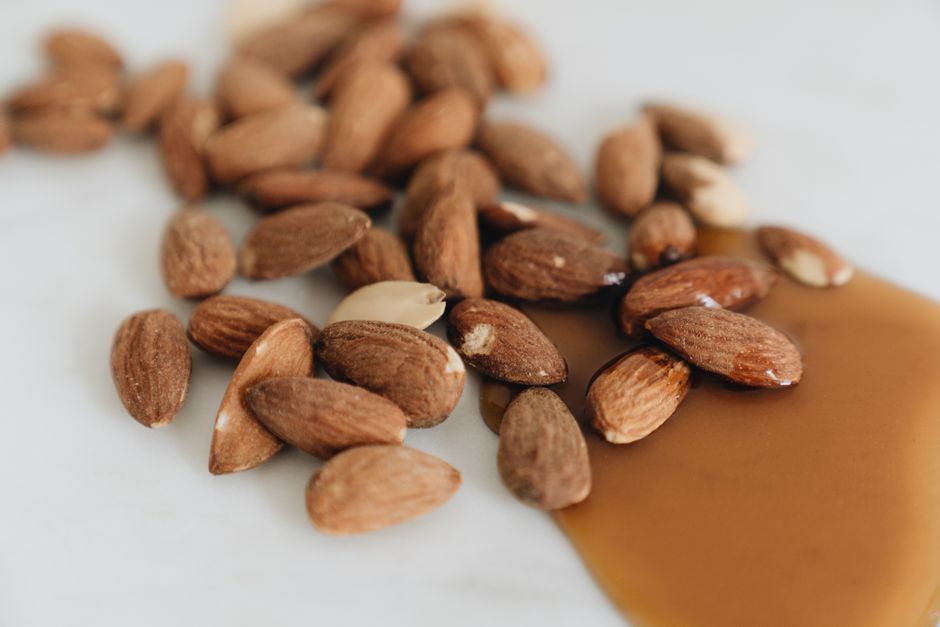
Sweet almond oil is a pressed oil from the kernels of the almond tree. People use it mostly as a moisturizer for skin and hair, and as a carrier oil for massage and essential oil blends. It is mild, absorbs slowly compared to lighter oils, and is generally well tolerated — though anyone with a tree nut allergy should treat it with real caution.
What Is Sweet Almond Oil Used For Skin Hair More?
Sweet almond oil is used as an emollient — a substance that sits on the skin surface and slows water loss. That is its main job, and it does it well. It is also used on hair as a pre-wash treatment and a frizz tamer, and as a base oil in massage and aromatherapy.
The word “sweet” matters here. Sweet almonds (Prunus dulcis var. dulcis) are the edible kind. Bitter almonds contain a compound that breaks down into cyanide and are not used for cosmetic oils. When you buy cosmetic almond oil, it is sweet almond oil.
What it is not: a treatment for any skin disease, a hair growth product, or a replacement for sunscreen. Those claims circulate widely online. The evidence does not support them.
What Does Sweet Almond Oil Do for Skin?
Almond oil is rich in oleic acid, a monounsaturated fat that makes up the majority of its fatty acid content. Oleic acid is what gives the oil its emollient feel — it fills the small gaps between skin cells and leaves a soft, smooth surface.
The oil also contains linoleic acid, vitamin E (as alpha-tocopherol), and small amounts of other plant compounds. Vitamin E is an antioxidant. In a bottle of oil, though, it functions mainly as a preservative against the oil going rancid — not as a meaningful vitamin E dose for your skin.
Here is the part worth understanding. An emollient softens and smooths. It does not add water to the skin. If skin is genuinely dehydrated, an oil applied on top of dry skin traps very little. Applied after a damp shower, it seals in water that is already there. That difference is real and often overlooked.
For dry, flaky, or rough-feeling skin on the body, almond oil is a reasonable moisturizer. Some small studies have looked at almond oil for skin barrier function and for soothing minor irritation. The research is limited — mostly small trials and lab work — so it is fair to say the evidence is modest, not strong.
What it will not do: fade scars, remove stretch marks, treat eczema or psoriasis, or replace a prescribed treatment. If you have a diagnosed skin condition, an oil is a comfort measure at best, and some people with eczema find oils worsen itching.
Does Sweet Almond Oil Help Hair?
Almond oil conditions hair and reduces frizz. It does not make hair grow faster, and no clinical evidence shows it regrows lost hair.
Hair is dead protein. Once it leaves the follicle, nothing you apply changes its structure permanently. What a light oil can do is coat the cuticle — the outer layer of each strand — which smooths the surface, adds shine, and makes combing easier. That reduces breakage from friction. Less breakage means hair looks and feels healthier over time.
As a pre-wash treatment, massaging oil into the scalp and lengths before shampooing is a long-standing practice in South Asian and Middle Eastern hair care. It can help with a dry, tight-feeling scalp and with dry ends. It will not fix split ends — nothing does except trimming them.
For hair growth claims specifically: some traditional practice and small studies point to scalp massage itself supporting circulation. Whether the oil adds anything beyond the massage is not established. Be skeptical of any product promising thicker hair from an oil.
How Does Sweet Almond Oil Compare to Other Oils?
Not all oils behave the same on skin and hair. The fatty acid profile and how fast an oil absorbs make a practical difference.
| Oil | Main fatty acid | Feel and typical use |
|---|---|---|
| Sweet almond | Oleic acid (monounsaturated) | Medium absorption, mild scent, good for body and hair |
| Coconut | Lauric acid (saturated) | Heavier, can feel greasy, popular for hair; comedogenic for some |
| Jojoba | Wax esters similar to skin sebum | Light, absorbs well, often used on the face |
| Olive | Oleic acid | Rich and heavy, better for body than face |
Almond oil lands in the middle: richer than jojoba, lighter than olive or coconut. That makes it a sensible default for body use and for most hair types. For the face, many people find jojoba or squalane lighter and less likely to clog pores.
Who Should Be Careful With Sweet Almond Oil?
Anyone with a tree nut allergy should avoid sweet almond oil unless a doctor has cleared it. Almond is a tree nut, and the oil is pressed from the nut itself.
This is a genuine safety point, not a formality. Refined almond oil may contain very little protein — and protein is what triggers allergic reactions — but the refining process is not standardized across products. Some cold-pressed oils retain more protein. No reliable rule tells you which bottle is safe. If you have a diagnosed tree nut allergy, treat almond oil as a risk and talk to your allergist first.
A patch test is sensible for anyone trying a new oil. Apply a small amount to the inner forearm and wait a day. This catches contact reactions, though it does not reliably predict a serious systemic allergy.
People with acne-prone or very oily facial skin may find almond oil too heavy. It has a moderate comedogenic rating — meaning it can clog pores in some people. That rating comes from older rabbit-ear testing and does not perfectly predict human response, but it is a reasonable caution.
Keep oil away from the eyes, and never store it near heat or light for long periods, since oils oxidize and turn rancid.
How Do You Use Sweet Almond Oil Safely?
Use it as a moisturizer after a shower, while skin is still slightly damp. A few drops go a long way. Massage it in and let it absorb before dressing, since it can stain fabric.
For hair, apply to the ends and scalp before washing, leave it on briefly, then shampoo out. Leaving heavy oil on the scalp for long periods can trap sweat and irritate some people.
Store the bottle in a cool, dark place. Almond oil has a moderate shelf life and turns rancid over time — a bitter or sharp smell means it is past use. Buy small bottles if you use it slowly.
As a carrier oil for essential oils, it works, but note that it absorbs slowly, so blends feel richer. Follow established dilution guidance for essential oils, which are far more concentrated than the carrier.
One clarification worth making: almond oil is not a sunscreen. It offers no meaningful UV protection, and using it in the sun without proper sun protection leaves skin exposed.
Frequently Asked Questions
Is sweet almond oil good for your face?
It can work as a gentle moisturizer for dry or normal skin, but it is heavier than many facial oils and may clog pores in acne-prone skin. Patch test first and use it sparingly.
Can sweet almond oil make hair grow?
No clinical evidence shows almond oil grows hair. It conditions and reduces breakage, which can make hair look healthier, but it does not stimulate growth.
Is sweet almond oil safe if you have a nut allergy?
Treat it as a risk and check with your allergist before using it. Almond is a tree nut, and refining does not reliably remove all allergy-triggering protein.
Can you use sweet almond oil on your skin every day?
Yes, for most people it is fine as a daily body moisturizer. Stop if you notice irritation, redness, or breakouts.
