
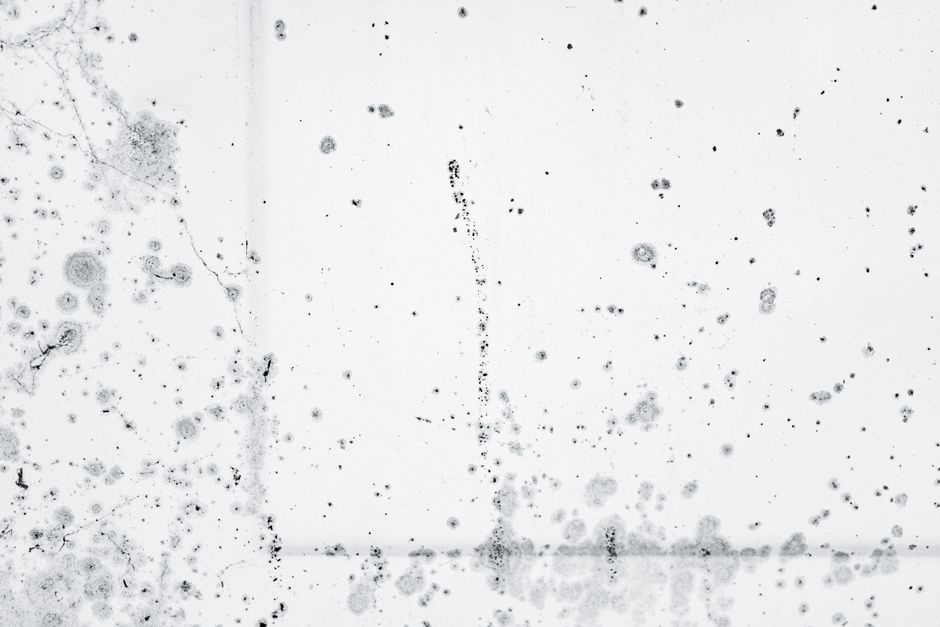
Surface mold is a fungal growth that appears on the visible surfaces of materials like walls, ceilings, wood, and tiles. It thrives in damp, humid, or poorly ventilated areas and can appear as black, green, white, or orange patches. While surface mold itself is common in many homes, the health risks depend on the type of mold, the amount present, and your personal sensitivity. Removal requires addressing both the visible growth and the underlying moisture problem, or the mold will simply return.
What Is Surface Mold Causes Risks And Removal? The Reason
Surface mold is exactly what it sounds like: mold that grows on the surface of a material rather than deep inside it. It feeds on organic matter like wood, drywall, paper, and dust. The reason it appears is almost always moisture. Mold spores exist everywhere in the air, indoors and out. They only become a problem when they land on a damp surface and find a food source.
Common places for surface mold include bathroom grout, window sills, refrigerator drip pans, and walls behind furniture where air does not circulate. In most cases, surface mold is the first sign of a moisture issue. If you clean it without fixing the leak or humidity problem, it will come back. The removal process is straightforward for small areas, but the moisture control part is the step most people skip.
What Causes Surface Mold to Grow in Homes?
Mold needs three things to grow: moisture, a food source, and the right temperature. Most homes provide the food source and temperature year-round. That leaves moisture as the only variable you can control.
Common moisture sources include:
- Leaking pipes or roofs
- Condensation on cold surfaces like windows and exterior walls
- High indoor humidity from cooking, showering, or drying clothes indoors
- Poor ventilation in bathrooms, kitchens, and basements
- Flooding or water damage that was not fully dried
Relative humidity above 60 percent indoors creates conditions where mold can grow. Keeping indoor humidity between 30 and 50 percent is the standard recommendation for preventing mold. A simple hygrometer can tell you where your home stands.
One point people often miss: mold can grow on dust itself. Even if your walls are painted and sealed, a thin layer of dust on a damp wall is enough to feed surface mold. Regular cleaning in humid areas helps more than people realize.
What Health Risks Are Associated with Surface Mold?
Health effects from mold vary widely from person to person. Some people experience no symptoms at all. Others are sensitive to mold and develop reactions that are uncomfortable but not dangerous in the long term.
The most common symptoms are allergic: sneezing, runny nose, red eyes, and skin rash. People with asthma may notice more frequent attacks. Research consistently shows that mold exposure can trigger asthma symptoms in people who already have the condition. Some studies also suggest that mold exposure in infancy may increase the risk of developing asthma, though the evidence is not conclusive.
More serious conditions like fungal lung infections are rare and generally affect people with weakened immune systems. Healthy adults do not typically develop internal fungal infections from surface mold in their homes. That distinction matters because it separates real risk from exaggerated fear.
There is no solid clinical evidence that mold causes memory loss, fatigue, or “brain fog” in otherwise healthy people. These symptoms are often attributed to mold in popular media, but controlled studies have not confirmed a causal link. If you have these symptoms, see a doctor. Do not assume mold is the cause.





How to Remove Surface Mold Safely
For small areas of surface mold — less than about 10 square feet — you can clean it yourself. The Environmental Protection Agency and other public health authorities generally agree on the approach for minor cases.
Wear gloves, goggles, and an N95 respirator mask. Do not use a bare hand or a brush that flings spores into the air. Scrub the moldy surface with detergent and water. A stiff brush helps remove mold from porous surfaces like grout. After scrubbing, dry the area completely.
Bleach is not the first choice. On porous surfaces like wood and drywall, bleach does not penetrate deeply and can leave mold roots intact. It also produces strong fumes that can irritate your lungs. For non-porous surfaces like tile and glass, a bleach solution can work, but detergent and water is often enough.
For porous materials that are heavily moldy — like ceiling tiles, carpet, or drywall — removal and replacement is usually the safest option. You cannot reliably clean mold out of these materials once it has penetrated.
If the moldy area is larger than 10 square feet, involves HVAC systems, or came from sewage or floodwater, professional remediation is recommended. The cost is higher, but the thoroughness matters for your health and for preventing recurrence.
How to Prevent Surface Mold from Returning
Cleaning mold without fixing the moisture source guarantees it will come back. Prevention is about moisture control, not about special paints or sprays.
Fix leaks promptly. A slow drip behind a wall can sustain mold growth for months without being visible. Check under sinks, around toilets, and at the base of appliances regularly.
Improve ventilation. Run exhaust fans in bathrooms and kitchens during and after use. If your home lacks exhaust fans, open windows when weather permits. Move furniture a few inches away from exterior walls to allow air to circulate.
Use a dehumidifier in basements or other damp areas. Aim for indoor humidity between 30 and 50 percent. Empty and clean the dehumidifier according to the manufacturer’s instructions, because the unit itself can grow mold.
Dry wet areas within 24 to 48 hours. Mold typically begins to grow within that window after materials get wet. Carpets, upholstery, and drywall that stay wet longer than that are at high risk.
When Should You Call a Professional?
Some situations require professional help. Do not attempt large-scale cleanup yourself.
Call a professional when:
- The mold covers more than about 10 square feet
- Mold is inside walls, ceiling cavities, or HVAC ducts
- The water source was sewage or floodwater
- You have a health condition like asthma or a weakened immune system
- Mold keeps returning after you have cleaned it and fixed the moisture issue
Professional remediators should follow established guidelines for containment and air filtration. They should also identify and fix the moisture source. A remediation company that only cleans mold without addressing the leak is not solving your problem.
Be cautious about companies that recommend extensive testing before remediation. Mold testing is not always necessary for a visible mold problem. The visible growth is the problem, and the moisture source is the cause. Testing adds cost without changing the treatment approach in most cases.
Does Mold Testing Help?
Mold testing is often unnecessary for surface mold. If you can see mold, you already know it is there. Testing does not tell you what to do differently. The response is the same: fix the moisture, remove the mold, and monitor the area.
Testing can be useful in specific situations. If you have health symptoms and no visible mold, air sampling might help identify hidden growth. If you are buying a home and want to assess past water damage, a professional inspection may be worth the cost.
But routine testing for visible surface mold is not supported by clinical or public health guidelines as a necessary step. Save the money and spend it on fixing the moisture problem instead.
Myths About Surface Mold You Should Ignore
Several myths about mold persist despite weak or absent evidence.
One myth is that bleach kills mold permanently. Bleach kills surface mold on non-porous materials, but it does not penetrate porous surfaces. The mold roots survive and regrow. Detergent and water, followed by thorough drying, is often more effective.
Another myth is that “toxic black mold” is a distinct, universally dangerous species. The term “toxic black mold” usually refers to Stachybotrys chartarum. It is true that this mold produces mycotoxins under certain conditions. But the evidence that airborne exposure to these toxins causes serious illness in healthy people is limited. Mold allergies are the more common and better-documented health concern.
A third myth is that painting over mold solves the problem. Paint does not kill mold. The mold continues to grow beneath the paint and can eventually break through. The surface must be cleaned and dried before painting, and the moisture issue must be fixed.
Finally, some products claim to “kill mold permanently” with a single application. No product can do this if the moisture problem remains. Mold control is an ongoing process of moisture management, not a one-time treatment.
Key Takeaways
Surface mold is a symptom of a moisture problem. The visible growth is the part you can see, but the dampness that feeds it is the real issue. Removing the mold without fixing the moisture is temporary at best.
For small areas, cleaning with detergent and water while wearing protective gear is sufficient. For larger areas or mold inside walls and ducts, professional help is the safer choice. And for health concerns, pay attention to allergy symptoms and asthma triggers. If you have persistent symptoms, see a doctor rather than assuming mold is the cause.
Frequently Asked Questions
Can surface mold make you sick?
Yes, but mostly through allergic reactions like sneezing, coughing, and eye irritation. People with asthma or weakened immune systems may have more serious reactions.
Is it safe to sleep in a room with surface mold?
It is not ideal, especially if you have allergies or asthma. Remove the mold and fix the moisture source as soon as possible to reduce exposure.
Does vinegar kill surface mold?
Some research suggests vinegar can kill certain mold species on non-porous surfaces. Detergent and water is a reliable first choice, and drying the area completely is essential.
How long does it take for surface mold to grow?
Mold can begin growing within 24 to 48 hours after materials get wet. This is why quick drying after leaks or spills is so important.
