
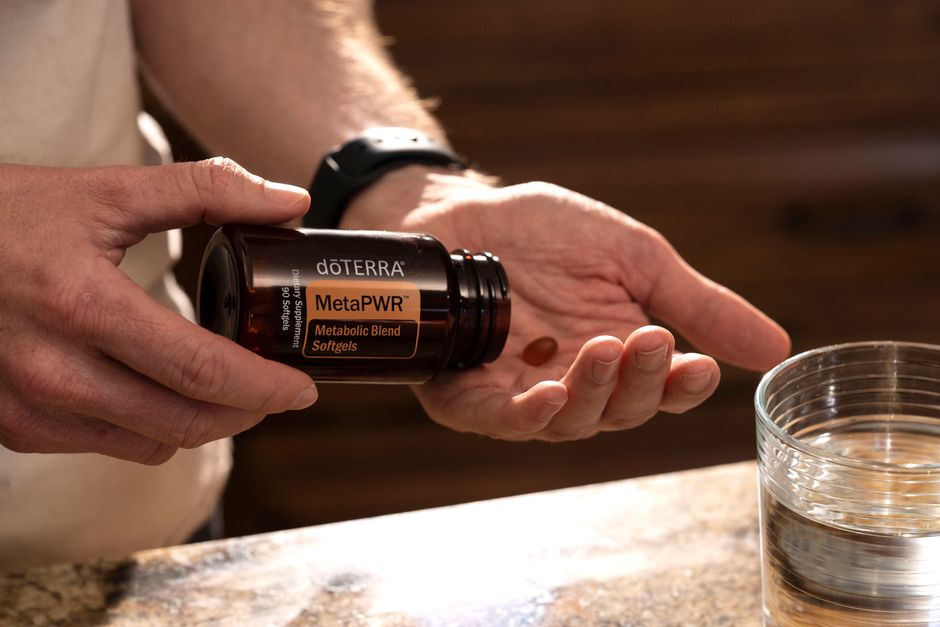
Super Beta Prostate is a dietary supplement sold for men’s prostate health, typically marketed with claims about urinary frequency, nighttime urination, and general prostate function. It is not a medication, and it has not been approved by the FDA to treat, prevent, or cure any disease. The product is a blend of vitamins, minerals, and plant extracts — most notably beta-sitosterol — packaged as a daily capsule for men, usually those over 50.
That is the straightforward answer. What follows is a closer look at what is actually in these products, what the research on the key ingredients does and does not show, and where the marketing tends to outrun the evidence.
What Is Super Beta Prostate and What Is It Marketed For?
Super Beta Prostate is a brand of over-the-counter supplement aimed at men dealing with the everyday annoyances of an aging prostate — getting up at night to urinate, a weaker stream, or a sense that the bladder never fully empties.
The marketing leans heavily on one ingredient: beta-sitosterol, a plant sterol found naturally in nuts, seeds, and vegetable oils. The brand name itself points to it. Alongside beta-sitosterol, these products typically include a mix of vitamins (often B vitamins and vitamin D), minerals such as zinc and selenium, and botanical extracts like saw palmetto, pygeum, and stinging nettle root.
It is worth being clear about the category. In the United States, dietary supplements are regulated as food, not as drugs. That means a supplement does not have to prove it works before it is sold. The FDA can act against a product after it reaches the market if it is unsafe or makes illegal claims, but there is no pre-market review of effectiveness. This is true of Super Beta Prostate and of essentially every supplement in the same aisle.
What Does Beta-Sitosterol Actually Do?
Beta-sitosterol is the ingredient with the most research behind it, and the findings are genuinely mixed. Some studies have found that men taking beta-sitosterol reported improvements in urinary symptoms and flow compared with a placebo. Other studies have found no meaningful difference.
This inconsistency matters. When a body of research points in different directions, the honest summary is that the evidence is not settled. A supplement company can point to the positive trials. A skeptic can point to the negative ones. Neither is lying — the science simply has not produced a clear, consistent answer.
One reasonable interpretation is that beta-sitosterol may help some men with mild urinary symptoms and may do little for others. That is a far weaker statement than “clinically proven to support prostate health,” which is the kind of phrase you will see on labels and in ads.
What Is BPH and Why Do These Symptoms Happen?
Most of the symptoms these supplements target come from benign prostatic hyperplasia, or BPH. This is a non-cancerous enlargement of the prostate gland that becomes common as men age. It is not prostate cancer, and having BPH does not mean you will develop cancer.
The prostate sits just below the bladder and surrounds the tube that carries urine out of the body, called the urethra. As the gland enlarges, it can press inward on that tube, like a hand gently squeezing a garden hose. The bladder then has to work harder to push urine through. Over time, the bladder muscle can become thicker and more irritable.
That mechanical picture explains the classic symptoms:
- Urinating more often, especially at night
- A stream that starts slowly or is weaker than it used to be
- Stopping and starting mid-stream
- A feeling that the bladder is not fully empty
- Urgency — a sudden, hard-to-ignore need to go
BPH is extremely common. By the time men reach their 60s and beyond, a large share have at least some symptoms. It is also not the only possible cause. An enlarged prostate, an overactive bladder, a urinary tract infection, and other conditions can produce overlapping symptoms, and only a clinician can sort out which is which.




Does Super Beta Prostate Work?
There is no large, independent body of research confirming that the Super Beta Prostate brand as a finished product improves prostate symptoms. The studies that exist look at individual ingredients, not the specific combination and dose in any one bottle.
That is an important distinction that gets blurred constantly. Evidence that beta-sitosterol helped some men in certain trials is not the same as evidence that this particular product will help you. Ingredients interact, doses vary, and the amount in a capsule may differ from the amount used in a study.
The most accurate statement is this: some of the ingredients have modest and inconsistent evidence behind them, and the product as a whole has not been proven effective in rigorous trials. If a man feels better after taking it, that could be a real effect, a placebo response, or simply the natural ebb and flow of symptoms. All three are possible.
Are There Risks or Side Effects?
Supplements are often assumed to be harmless because they are sold without a prescription. That assumption is not reliable.
Ingredients like saw palmetto and beta-sitosterol are generally tolerated by many people, but side effects are possible and include digestive upset. More importantly, some ingredients can interact with medications — including blood thinners — and high doses of certain vitamins and minerals can cause problems of their own. Zinc and selenium, for example, are essential in small amounts but can be harmful in excess.
There is also a subtler risk: delay. If a man assumes his urinary symptoms are just BPH and treats them with a supplement, he may put off getting checked for something more serious. Prostate cancer can cause similar symptoms, and so can other conditions. Symptoms that are new, worsening, or accompanied by blood in the urine, pain, or fever deserve medical attention rather than a trip to the supplement aisle.
Anyone considering a supplement should tell their doctor, especially if they take prescription medications or have other health conditions. This is not a formality — it is how interactions get caught.
How Does Super Beta Prostate Compare to Proven Options?
This is where the conversation gets more useful. For men with bothersome BPH symptoms, there are treatments with substantially stronger evidence behind them than any supplement.
Prescription medications for BPH fall into a few broad categories, and clinical guidelines from urology organizations generally recommend them based on symptom severity and prostate size. Some relax the muscle of the prostate and bladder neck to improve flow. Others shrink the prostate over time. Procedures, including minimally invasive options, exist for men who do not get enough relief from medication.
Lifestyle changes can also help. Limiting fluids before bed, cutting back on caffeine and alcohol, and emptying the bladder fully can reduce nighttime trips to the bathroom. None of these is dramatic, but they are low-risk and supported by common clinical practice.
The honest comparison is not “supplement versus nothing.” It is “supplement versus treatments that have been tested in large trials and shown to work.” For mild symptoms, a man might reasonably choose to watch and wait, with or without a supplement. For symptoms that interfere with sleep, work, or daily life, a conversation with a doctor is likely to be more productive than another bottle.
What Should You Look for on a Supplement Label?
If you decide to try a prostate supplement, the label is worth reading carefully.
Look for the exact amount of each ingredient, not just a “proprietary blend” that lists ingredients without quantities. A blend lets a company include a tiny amount of an expensive ingredient and a large amount of a cheap one while disclosing neither. Look for a third-party testing mark, which indicates the product was checked for purity and that what is on the label is actually in the bottle. And be skeptical of any claim that sounds like a drug claim — “shrinks the prostate,” “treats BPH,” or “prevents prostate cancer” — because those claims are not permitted for supplements for a reason.
None of this guarantees a product works. It only improves the odds that you are getting what you paid for.
Frequently Asked Questions
Is Super Beta Prostate FDA approved?
No. It is a dietary supplement, and the FDA does not approve supplements for effectiveness before they are sold. The FDA regulates supplements as food and can take action after they reach the market if they are unsafe or make illegal claims.
Does Super Beta Prostate really shrink the prostate?
There is no reliable evidence that it shrinks the prostate. Prescription medications in a class called 5-alpha reductase inhibitors are the treatments shown to reduce prostate size over time, and they require a prescription.
Can I take Super Beta Prostate with other medications?
Possibly, but you should check with your doctor or pharmacist first. Some ingredients in prostate supplements can interact with prescription drugs, including blood thinners, so this is not a decision to make on your own.
When should I see a doctor about urinary symptoms?
See a doctor if symptoms are new, getting worse, or affecting your sleep or daily life, and seek care promptly for blood in the urine, pain, or fever. These signs can point to conditions other than BPH that need medical evaluation.
