
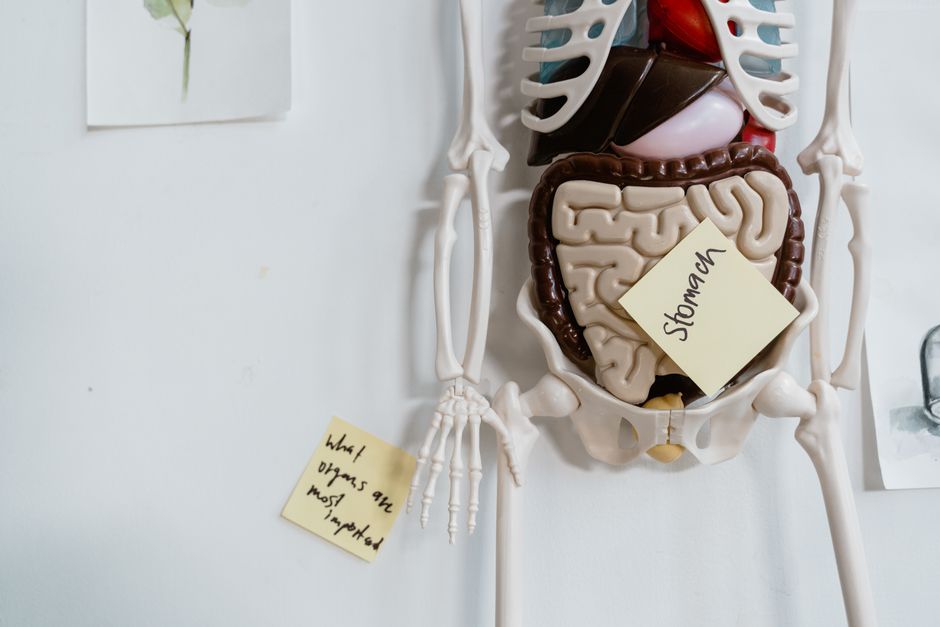
Stomach paralysis is a condition in which the muscles of the stomach stop moving food through the digestive tract at a normal rate. The medical term is gastroparesis. The stomach itself is not blocked by anything — the problem is that its muscular contractions have slowed or stopped, so food sits in the stomach longer than it should.
This delay causes a predictable set of symptoms: nausea, vomiting, feeling full after only a few bites, bloating, and upper abdominal pain. It is a recognized medical condition with established diagnostic criteria, not a vague complaint or a marketing label.
What Is Stomach Paralysis?
Gastroparesis means delayed gastric emptying in the absence of a mechanical obstruction. That last part matters. If a tumor or ulcer were physically blocking the stomach outlet, that would be a different problem with different treatment. In gastroparesis, the pathway is open — the stomach simply is not doing its job of grinding food and pushing it into the small intestine.
Normally, the stomach churns food into a semi-liquid mixture called chyme and empties it into the small intestine in a controlled way. This process depends on the vagus nerve, which carries signals between the brain and the digestive tract, and on specialized cells in the stomach wall called interstitial cells of Cajal that generate the electrical rhythm behind stomach contractions.
When the vagus nerve is damaged, or when those pacemaker cells are lost, contractions become weak or uncoordinated. Food lingers. That is the core mechanism.
What Causes Stomach Paralysis?
Diabetes is the most commonly identified cause in the United States, particularly long-standing type 1 and type 2 diabetes with poor blood sugar control. High blood glucose over years can damage the vagus nerve, the same way it damages nerves elsewhere in the body.
Several other causes are well documented:
- Postsurgical injury. Surgery involving the stomach, esophagus, or vagus nerve can injure the nerve supply.
- Medications. Certain drugs slow stomach emptying, including some opioid pain medications, certain antidepressants, and GLP-1 receptor agonists used for diabetes and weight management.
- Neurological conditions. Parkinson’s disease and multiple sclerosis can affect stomach function.
- Connective tissue disorders. Scleroderma and related conditions can affect the stomach wall.
- Viral illness. Some people develop gastroparesis after a viral infection, and a portion of these cases improve over time.
- Hypothyroidism. An underactive thyroid can slow gastric emptying.
A large share of cases are labeled idiopathic, meaning no clear cause is found. This is not a failure of diagnosis so much as an honest reflection of how much is still unknown about the condition.
One clarification worth making: gastroparesis is not the same as the stomach flu, food poisoning, or a temporary slow stomach after overeating. Those are short-lived. Gastroparesis is a chronic condition, though symptoms can come and go in severity.
What Are the Symptoms of Stomach Paralysis?
The hallmark symptom is feeling full very quickly and staying full long after eating. Many people describe feeling as though food is sitting in their stomach like a brick.
Other common symptoms include:
- Nausea, sometimes with vomiting of undigested food eaten hours earlier
- Bloating and upper abdominal discomfort
- Heartburn and acid reflux
- Loss of appetite
- Early satiety — feeling full after a few bites
- Unintentional weight loss
Symptoms often worsen after high-fat or high-fiber meals, because both slow stomach emptying further. They may also fluctuate day to day. Some people have mild symptoms for years; others have severe nausea and vomiting that interferes with work and daily life.
Blood sugar control can become harder in people with diabetes. When food empties unpredictably, the timing of glucose absorption becomes unpredictable too. This is one of the more clinically significant consequences of the condition and is a reason it deserves medical attention rather than self-management alone.
How Is Stomach Paralysis Diagnosed?
Diagnosis starts with a careful history and physical exam. The first job is ruling out a physical blockage, which requires different evaluation and treatment.
Upper endoscopy is commonly used to look for obstruction, ulcers, or other structural problems. If the stomach appears open and symptoms persist, the next step is typically a gastric emptying study.
A gastric emptying study is a nuclear medicine test. The person eats a standardized meal containing a small amount of radioactive tracer, and imaging tracks how much remains in the stomach over time. This test provides objective data on how quickly the stomach empties.
There is no single blood test for gastroparesis. Blood tests may be used to check for diabetes, thyroid problems, and nutritional deficiencies that can accompany the condition. A breath test may be used in some settings to check for bacterial overgrowth, which can cause overlapping symptoms.
Diagnosis can take time. Symptoms overlap with many other digestive conditions, and there is no perfect test. If you are being evaluated, it helps to know that a normal endoscopy does not rule out gastroparesis — it only rules out a blockage.
How Is Stomach Paralysis Treated?
There is no cure for gastroparesis. Treatment focuses on managing symptoms, maintaining nutrition, and addressing the underlying cause when one is identified. This is an honest limitation of current medicine, not a gap in information.
Dietary changes are usually the first step. Eating smaller meals more frequently, reducing fat and fiber, and chewing food thoroughly can reduce symptom burden. Some clinicians recommend softer, more liquid textures during flares. A registered dietitian familiar with the condition can help.
Blood sugar control matters for people with diabetes. Better glucose management can reduce symptom severity and slow further nerve damage over time.
Medications exist but their effectiveness varies. Metoclopramide is the only medication approved by the FDA for gastroparesis in the United States. It carries a boxed warning about a serious neurological side effect called tardive dyskinesia, particularly with long-term use, so it is generally used cautiously and for limited periods. Other medications are used off-label, and evidence for them is mixed.
For severe cases that do not respond to other measures, options include botulinum toxin injection into the pyloric muscle (evidence is mixed and it does not work for everyone), gastric electrical stimulation (approved under a humanitarian device exemption, with limited evidence of benefit), and in rare severe cases, surgical or feeding tube approaches.
It is worth being direct about this: no treatment currently reverses gastroparesis. The goal is symptom control and nutritional safety, and some people improve substantially over time while others do not.
What Complications Can Stomach Paralysis Cause?
Persistent vomiting and poor intake can lead to dehydration and malnutrition. Severe cases may require hospitalization for intravenous fluids.
Food that sits in the stomach can harden into a solid mass called a bezoar, which can cause further blockage and requires medical removal. This is uncommon but well documented.
Bacterial overgrowth in the stomach and small intestine can develop when food lingers, contributing to bloating and diarrhea. Blood sugar swings are a real risk for people with diabetes.
These complications are why ongoing medical follow-up matters, even when symptoms feel manageable.
Can Stomach Paralysis Be Prevented?
There is no proven way to prevent gastroparesis in all cases. The strongest prevention lever is blood sugar control in people with diabetes, since diabetic nerve damage is the most common identified cause.
Beyond that, avoiding unnecessary vagus nerve injury during surgery is a matter for surgical teams, not patients. There is no diet, supplement, or lifestyle routine with established evidence for preventing gastroparesis.
If you have diabetes and notice early fullness, nausea after meals, or unexplained vomiting, raising it with your doctor is reasonable. Early evaluation does not prevent the condition, but it can catch complications sooner.
Frequently Asked Questions
Is stomach paralysis the same as gastroparesis?
Yes. Stomach paralysis is the plain-language term for gastroparesis, which means delayed stomach emptying without a physical blockage. Doctors use the two terms interchangeably.
Can stomach paralysis be cured?
No cure currently exists for gastroparesis. Treatment focuses on managing symptoms, maintaining nutrition, and controlling underlying conditions like diabetes.
What foods should I avoid with gastroparesis?
High-fat and high-fiber foods are generally the first to limit because both slow stomach emptying. A registered dietitian can help tailor an eating plan to your symptoms.
Is stomach paralysis dangerous?
It can be serious if it leads to dehydration, malnutrition, or poor blood sugar control. Most people manage it with medical care, but severe cases may require hospitalization or specialized treatment.
