
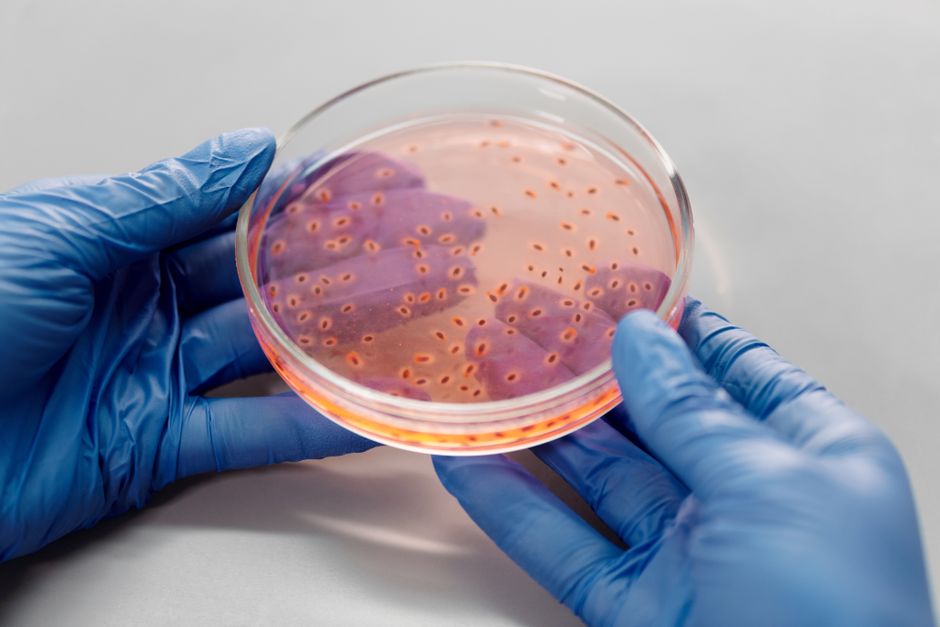
Staphylococcus hominis bacteremia means that a type of bacteria called Staphylococcus hominis has entered the bloodstream. This organism is a normal resident of human skin, and its presence in a blood sample often reflects contamination rather than true infection. When it does cause a real bloodstream infection, it usually happens in people with a central venous catheter, an implanted medical device, or a weakened immune system.
Staphylococcus hominis (S. hominis) is one of the coagulase-negative staphylococci — a group of skin-dwelling bacteria that includes Staphylococcus epidermidis. These organisms are among the most common causes of bloodstream infections tied to catheters and implanted hardware in hospital settings. Getting the distinction right matters, because it changes whether a positive blood culture signals a dangerous infection or an incidental finding.
What Is Staphylococcus Hominis Bacteremia?
Bacteremia means bacteria are present in the blood. With S. hominis, the term describes the recovery of this specific organism from a blood culture. The critical question is whether that finding represents a true infection or contamination introduced during the blood draw.
Coagulase-negative staphylococci like S. hominis are the most frequently isolated organisms from blood cultures, and a large share of those isolates are contaminants. Clinical guidelines from organizations such as the Clinical and Laboratory Standards Institute and the Infectious Diseases Society of America recognize this, which is why doctors do not treat a single positive culture automatically.
True S. hominis bacteremia is a recognized cause of healthcare-associated bloodstream infection. It is most often linked to intravascular devices — central lines, peripherally inserted central catheters, and ports — or to implanted hardware such as prosthetic joints, heart valves, and cerebrospinal fluid shunts. In these settings, the bacteria can attach to the device surface and form a biofilm, a slimy layer that shields them from antibiotics and immune defenses.
How Do You Get Staphylococcus Hominis in Your Blood?
The bacteria get into the blood through a break in the skin or a device that crosses the skin barrier. Because S. hominis lives on the skin of most healthy people, any puncture — a needle, a catheter insertion, a surgical incision — can carry it inward.
The most common routes include:
- Central venous catheters. The longer a line stays in place, the greater the chance bacteria migrate along it or colonize its surface.
- Implanted devices. Prosthetic joints, heart valves, pacemakers, and shunts can become colonized, sometimes months after placement.
- Skin breaks and surgical sites. Wounds and surgical incisions give the organism a path into deeper tissue and blood.
- Contaminated blood cultures. Skin flora can enter the culture bottle during the draw, producing a false positive.
Healthy people with intact skin and a working immune system rarely develop true S. hominis bloodstream infection. The people at highest risk are hospitalized patients, those with long-term catheters, and people whose immune defenses are weakened by illness or treatment.
How Do You Know If It Is a Real Infection or Contamination?
Doctors use a combination of clues to separate true infection from contamination. No single test settles the question, and the clinical picture carries as much weight as the lab result.
Signs that point toward a true infection include:
- Bacteria growing in more than one blood culture bottle, especially from separate draws.
- The same organism appearing in repeated cultures taken at different times.
- Fever, chills, or low blood pressure around the time of the culture.
- A central line or implanted device in place.
- Growth appearing within a day or two of incubation rather than only after several days.
Signs that point toward contamination include growth in only one of several bottles, a single positive culture with no repeat, and no symptoms of infection. The number of positive bottles relative to the total drawn is one of the more reliable clues clinicians weigh.
Here is a point that often gets missed: a positive blood culture does not by itself confirm infection. The lab reports what grew, but the doctor must interpret it against symptoms, device status, and repeat cultures. This is why the same lab result can mean very different things in two different patients.
What Are the Symptoms of Staphylococcus Hominis Bacteremia?
Symptoms depend on whether the bacteria are simply circulating or have settled into a device or tissue. When infection is real, the signs are often those of a systemic bloodstream infection.
Common symptoms include fever, chills, and a general feeling of being unwell. Some people develop low blood pressure, rapid heart rate, or confusion, which can signal sepsis — a medical emergency. When a device is involved, there may be redness, tenderness, or drainage at the catheter site, though often there is nothing visible at all.
When S. hominis settles on a prosthetic joint or heart valve, symptoms can be subtle and develop slowly over weeks. Persistent low-grade fever, joint pain, or unexplained fatigue may be the only clues. This indolent course is part of why device-related infections can be missed.
Sepsis is a medical emergency. Anyone with a known bloodstream infection who develops confusion, difficulty breathing, a fast heartbeat, or a sharp drop in blood pressure should seek emergency care immediately.
How Is Staphylococcus Hominis Bacteremia Treated?
Treatment depends entirely on whether the finding is a true infection. Contamination requires no treatment. True infection is treated with antibiotics, and often the source — a catheter or device — must be addressed.
S. hominis is a notable organism because many strains are resistant to methicillin, the same resistance pattern seen in MRSA. Some strains are resistant to multiple antibiotics. This means treatment usually requires a drug the lab has confirmed will work against the specific isolate, guided by susceptibility testing. Vancomycin is commonly used in clinical practice for methicillin-resistant coagulase-negative staphylococci, though the choice depends on the individual case and local resistance patterns.
When a central line is the source, clinicians often remove it. Device removal is frequently necessary because bacteria embedded in biofilm on a catheter or implant are hard for antibiotics to clear on their own. For prosthetic joint or valve infections, treatment can involve surgery alongside a prolonged course of antibiotics.
Antibiotic duration varies with the site and severity of infection and whether hardware is involved. No single duration fits every case, and the treating team sets it based on the clinical picture. This is not a decision to make independently.
Who Is Most at Risk?
The people most at risk are those with a device crossing the skin barrier or a weakened immune system. Risk is tied to healthcare exposure rather than to everyday contact with the bacteria.
Higher-risk groups include:
- Hospitalized patients, especially those in intensive care.
- People with central venous catheters, ports, or long-term intravenous lines.
- People with implanted devices such as prosthetic joints, heart valves, or shunts.
- People receiving treatments that suppress the immune system, including some cancer therapies and organ transplant medications.
- Premature infants and people with prolonged hospital stays.
Because S. hominis is normal skin flora, you cannot avoid exposure to it, and trying to is neither possible nor necessary. Prevention focuses on device care and infection control in healthcare settings — hand hygiene, careful catheter maintenance, and prompt removal of lines that are no longer needed.
What Does the Evidence Show About Outcomes?
True S. hominis bloodstream infection is generally treatable, and outcomes depend heavily on the source and the person’s overall health. When the source is a removable catheter and the patient is otherwise stable, recovery is often straightforward with appropriate antibiotics.
The evidence is more mixed for device-related infections that involve hardware. These can require surgery and prolonged treatment, and they carry a higher risk of complications. Some research suggests that coagulase-negative staphylococcal bacteremia is associated with longer hospital stays and higher healthcare costs, though the strength of these associations varies across studies.
One area where the evidence is genuinely limited is the exact threshold for treating a single positive culture in a patient without symptoms. Clinical judgment and institutional protocols guide these decisions, and practice varies. Anyone facing this situation should ask their care team directly why treatment is or is not being recommended.
Frequently Asked Questions
Is Staphylococcus hominis dangerous?
It can be dangerous when it causes a true bloodstream infection, especially in people with catheters or implanted devices. In healthy people, it is normal skin flora and usually harmless.
Is Staphylococcus hominis the same as MRSA?
No, they are different organisms, though both can be resistant to methicillin. S. hominis is a coagulase-negative staphylococcus, while MRSA is a strain of Staphylococcus aureus.
Does a positive Staphylococcus hominis blood culture always mean infection?
No. A single positive culture is often contamination from skin during the blood draw. Doctors use repeat cultures, symptoms, and device status to decide whether treatment is needed.
How is Staphylococcus hominis bacteremia treated?
True infection is treated with antibiotics chosen by susceptibility testing, and the source — often a catheter or device — may need to be removed. Contamination requires no treatment.
