
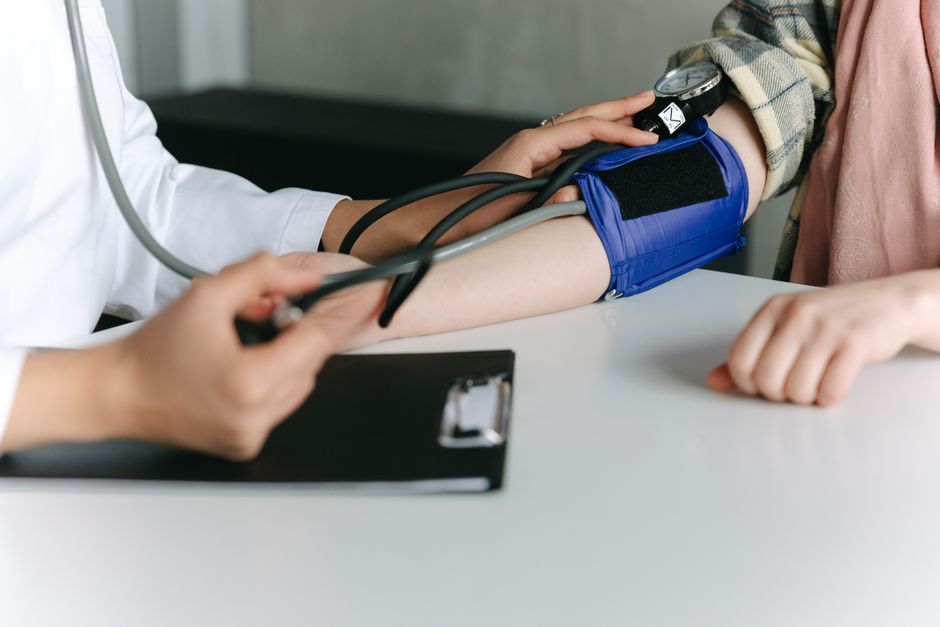
Stage 2 hypertension is blood pressure that stays at 140/90 mm Hg or higher. It is the more serious of the two main hypertension stages, and it usually means treatment with medication plus lifestyle changes. Most people with stage 2 readings need ongoing care, not just a diet tweak.
Blood pressure is written as two numbers. The top number (systolic) is the pressure in your arteries when your heart beats. The bottom number (diastolic) is the pressure between beats. Both numbers matter. A reading of 140/90 or above, confirmed on more than one occasion, meets the standard definition of stage 2 hypertension used in the United States.
What Is Stage 2 Hypertension Risks And Treatment?
Stage 2 hypertension is the higher of the two stage categories. It means your blood pressure is high enough that the risk to your heart, brain, kidneys, and blood vessels is meaningful, and treatment is almost always recommended.
The stages come from the American College of Cardiology and American Heart Association blood pressure guidelines published in 2017. These guidelines apply to adults. They are not the same as the older 140/90 “high blood pressure” cutoff that many people still remember, and they are not identical to guidelines used in Europe. This is a common source of confusion, so it helps to know which numbers you are looking at.
The table below shows the adult categories in the U.S. guidelines. These apply to adults not taking blood pressure medication and not acutely ill.
| Category | Systolic (mm Hg) | Diastolic (mm Hg) |
|---|---|---|
| Normal | Less than 120 | And less than 80 |
| Elevated | 120–129 | And less than 80 |
| Stage 1 hypertension | 130–139 | Or 80–89 |
| Stage 2 hypertension | 140 or higher | Or 90 or higher |
| Hypertensive crisis | Higher than 180 | And/or higher than 120 |
Notice the word “or.” You do not need both numbers to be high. A systolic of 145 with a diastolic of 85 still counts as stage 2. So does a systolic of 135 with a diastolic of 95. This catches people out, because they focus only on the top number.
There is one more distinction worth knowing. Stage 2 hypertension is different from a hypertensive crisis. A crisis is a reading above 180/120, and it is a medical emergency when it comes with symptoms like chest pain, shortness of breath, severe headache, weakness, vision changes, or trouble speaking. Call emergency services in that situation.
How Do You Know If You Have Stage 2 Hypertension?
You usually cannot tell from how you feel. High blood pressure is called the “silent killer” for a reason — most people with stage 2 hypertension have no symptoms at all.
Some people get headaches, nosebleeds, or dizziness. These are not reliable signs. They can happen with normal blood pressure too, and plenty of people with dangerously high readings feel completely fine. The only way to know is to measure.
One reading is not a diagnosis. Blood pressure moves around during the day, and a single high number in a doctor’s office can reflect stress, caffeine, a full bladder, or simply the anxiety of being at the doctor. This is called white coat hypertension, and it is real.
Clinicians typically confirm the diagnosis with repeated readings over time. Many also use home blood pressure monitoring or a 24-hour ambulatory monitor, which measures your pressure at intervals through a normal day. Home readings are often more representative of your true blood pressure than a single office measurement.
If you are checking at home, a few basics matter. Sit quietly for five minutes first, keep your back supported and feet flat, rest your arm at heart level, and avoid caffeine, exercise, and smoking for 30 minutes beforehand. Take two readings a minute apart and record them. Bring the log to your doctor.
What Does Stage 2 Hypertension Do to Your Body?
Persistent high pressure damages blood vessels over years. The damage is quiet, and that is what makes it dangerous.
In the arteries, constant high pressure makes the vessel walls stiffer and thicker. Stiffer arteries push blood pressure even higher, which creates a cycle. In the heart, the extra workload thickens the heart muscle, a condition called left ventricular hypertrophy. A thickened heart is less efficient and more prone to rhythm problems and heart failure.
In the brain, high blood pressure is a major risk factor for stroke and a contributor to vascular dementia. In the kidneys, it damages the small filtering vessels and is one of the leading causes of chronic kidney disease. In the eyes, it can damage the retina.
The good news is that the risk is not fixed. Lowering blood pressure reduces the chance of stroke, heart attack, and kidney damage. That has been established in large trials going back decades, and it is why treatment matters even when you feel fine.
What Causes Stage 2 Hypertension?
Most cases have no single identifiable cause. This is called primary or essential hypertension, and it develops gradually from a mix of genetics, age, and lifestyle.
Several factors are well established as contributors:
- Family history of high blood pressure
- Age — blood pressure tends to rise as arteries stiffen
- Excess body weight, especially around the waist
- High dietary sodium
- Low potassium intake
- Physical inactivity
- Heavy or regular alcohol use
- Sleep apnea and chronic stress on sleep
- Certain medications, including some decongestants and nonsteroidal anti-inflammatory drugs
A smaller share of cases are secondary hypertension — high blood pressure caused by another condition. Kidney disease, certain hormonal disorders, and sleep apnea are among the better-known causes. Some clinicians will look for secondary causes in people who develop high blood pressure young, whose pressure is very hard to control, or whose readings jump suddenly.
How Is Stage 2 Hypertension Treated?
Treatment for stage 2 hypertension almost always combines medication with lifestyle changes. The U.S. guidelines recommend starting medication for most adults with confirmed stage 2 hypertension, often with two drugs together rather than one.
That last point surprises people. Starting with two medications at lower doses is a recognized approach for stage 2, because it tends to lower pressure faster with fewer side effects than pushing a single drug to a high dose. Which drugs are chosen depends on your age, kidney function, other conditions, and pregnancy status. This is a decision for your clinician, not a one-size-fits-all formula.
Common classes of blood pressure medication include:
- Thiazide-type diuretics, which help the kidneys remove sodium and water
- ACE inhibitors and ARBs, which relax blood vessels
- Calcium channel blockers, which reduce the force of heart contraction and relax vessels
Lifestyle changes are not a soft alternative to medication. They are part of the treatment and can lower blood pressure on their own. Established measures include reducing sodium, increasing dietary potassium from food (with caution in kidney disease), losing excess weight, regular aerobic activity, limiting alcohol, and not smoking. Your clinician can tell you which apply to you and by how much.
Do not stop or change blood pressure medication on your own. Rebound spikes can happen, and some drugs need to be tapered. If side effects are a problem, tell your clinician — there are usually alternatives.
Can Stage 2 Hypertension Be Reversed?
Some people can lower their blood pressure into a healthier range with sustained lifestyle changes, and a smaller number can reduce or stop medication under medical supervision. But this is not guaranteed, and it depends on the cause, how long the pressure has been high, and how your body responds.
It is important to be honest here. For many people with stage 2 hypertension, medication remains part of long-term care even after lifestyle changes. That is not a failure. High blood pressure is a chronic condition for most people, and managing it well is the goal.
What is well established is that treating it works. Controlled blood pressure lowers the risk of stroke, heart attack, heart failure, and kidney disease. The benefit comes from keeping it controlled consistently, not from a short burst of effort.
When Should You Get Help?
Get a reading above 180/120 checked immediately, especially with symptoms like chest pain, shortness of breath, severe headache, weakness, vision changes, or trouble speaking. That is a hypertensive crisis and a medical emergency.
For readings in the stage 2 range without symptoms, book an appointment with a clinician rather than waiting. Bring home readings if you have them. High blood pressure rarely announces itself, and the earlier it is managed, the more damage is prevented.
Frequently Asked Questions
What blood pressure is stage 2 hypertension?
Stage 2 hypertension is a systolic reading of 140 mm Hg or higher, or a diastolic reading of 90 mm Hg or higher, confirmed on more than one occasion. You only need one of the two numbers to be in that range.
Is stage 2 hypertension dangerous?
Yes. Sustained stage 2 hypertension raises the risk of stroke, heart attack, heart failure, and kidney disease over time. The risk is real even when you have no symptoms.
Can stage 2 hypertension be cured without medication?
Some people lower their blood pressure with sustained lifestyle changes, but many still need medication long term. Whether you can reduce or stop medication is a decision to make with your clinician, not on your own.
What is the difference between stage 1 and stage 2 hypertension?
Stage 1 is 130–139 over 80–89 mm Hg, and stage 2 is 140/90 mm Hg or higher. Stage 2 carries higher risk and more often calls for medication, frequently starting with two drugs.
