
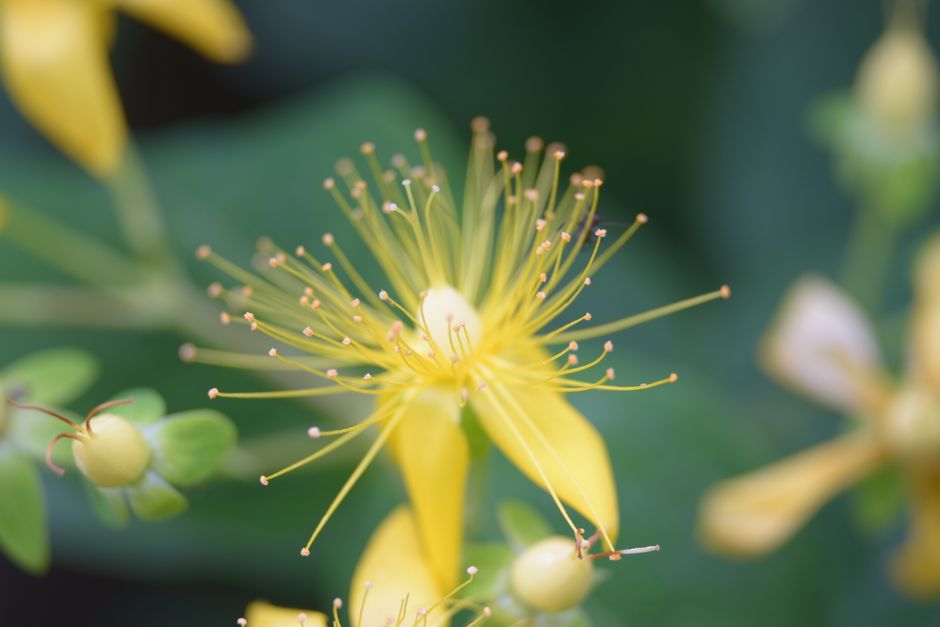
St. John’s wort is a plant used for centuries to treat mild to moderate depression, and research supports its effectiveness for that specific purpose. However, it comes with serious safety risks, including dangerous interactions with common medications. This article explains what St. John’s wort is used for, what the evidence says, and what you need to know about its safety.
What Is St. John’s Wort and How Does It Work?
St. John’s wort is a yellow-flowering plant with the scientific name Hypericum perforatum. People have used it in herbal medicine for hundreds of years. The parts that grow above ground — the flowers and leaves — are used to make supplements.
The plant contains active compounds like hypericin and hyperforin. Research suggests these compounds affect brain chemicals. They work similarly to some prescription antidepressants. They may increase levels of serotonin, dopamine, and norepinephrine in the brain. These are the same chemicals that many antidepressant drugs target.
The exact way St. John’s wort works is not fully understood. But studies show it can change how brain cells communicate. This is likely why it helps some people with depression.
What Is St. John’s Wort Used For?
The main use supported by research is mild to moderate depression. A 2016 review published in the Cochrane Database of Systematic Reviews looked at 27 studies with over 3,800 people. It found that St. John’s wort worked as well as standard antidepressants for mild to moderate depression. It also caused fewer side effects than prescription drugs.
Some people use St. John’s wort for other conditions. These include anxiety, seasonal affective disorder, and menopausal symptoms. Evidence for these uses is weaker. Some studies suggest it may help with anxiety. But the research is not as strong as it is for depression.
St. John’s wort is also used topically — on the skin — for wounds, burns, and muscle pain. Some research shows it may have anti-inflammatory and antibacterial effects when applied to skin. But most studies on this are small or old. More research is needed.
Here is a quick comparison of what the evidence says about different uses:
| Condition | Evidence Level | What Studies Say |
|---|---|---|
| Mild to moderate depression | Strong | Works as well as standard antidepressants with fewer side effects |
| Anxiety | Moderate | Some studies show benefit but more research is needed |
| Seasonal affective disorder | Moderate | May help but evidence is limited |
| Menopausal symptoms | Weak | Mixed results; not enough evidence |
| Wounds and burns (topical) | Weak | Some anti-inflammatory effects but small studies |
Does St. John’s Wort Actually Work for Depression?
Yes, for mild to moderate depression, the evidence is solid. The American College of Physicians includes St. John’s wort in its treatment guidelines for mild depression. The National Center for Complementary and Integrative Health (NCCIH) says it may help mild depression but is less clear for severe cases.
Several large reviews have found the same thing. St. John’s wort reduces depression symptoms better than placebo. It works about as well as low-dose prescription antidepressants. And people taking it report fewer side effects like sexual problems or weight gain.
But there is a catch. Most studies used specific standardized extracts. Not all St. John’s wort products are the same. Quality varies a lot between brands. Some products may not contain enough active ingredients to work. Others may contain contaminants.
For severe depression, the evidence is not strong. St. John’s wort has not been shown to work for major depressive disorder. If you have severe depression, you need medical supervision. St. John’s wort is not a replacement for professional care.



What Are the Side Effects of St. John’s Wort?
St. John’s wort causes fewer side effects than most prescription antidepressants. But it is not side-effect-free. Common side effects include:
- Dry mouth
- Dizziness
- Diarrhea
- Fatigue
- Headache
- Insomnia or vivid dreams
- Skin sensitivity to sunlight
The skin sensitivity issue is real. St. John’s wort can make your skin more reactive to sunlight. This is called photosensitivity. Fair-skinned people are at higher risk. If you take St. John’s wort, you should use sunscreen and avoid prolonged sun exposure. In rare cases, people have developed severe sunburns or rashes.
Some people also report stomach upset or restlessness. These effects are usually mild. They often go away after a few days as your body adjusts.
Serious side effects are rare when St. John’s wort is used alone. But they become much more common when it is combined with other medications.
What Are the Dangerous Drug Interactions?
This is the most important safety concern. St. John’s wort changes how your liver processes medications. It speeds up certain liver enzymes. This means other drugs are broken down faster. They leave your body before they have a chance to work.
Here are the major drug interactions you need to know about:
Antidepressants. Taking St. John’s wort with any antidepressant — especially SSRIs like fluoxetine (Prozac) or sertraline (Zoloft) — can cause serotonin syndrome. This is a life-threatening condition. Symptoms include rapid heart rate, high body temperature, muscle spasms, and confusion. Never combine St. John’s wort with prescription antidepressants.
Birth control pills. St. John’s wort can make hormonal birth control less effective. This includes pills, patches, and rings. The FDA has issued warnings about this. Women taking St. John’s wort have become pregnant while on birth control. Use a backup method if you take both.
Blood thinners. St. John’s wort reduces the effect of warfarin (Coumadin) and other anticoagulants. This can increase your risk of blood clots. The National Institutes of Health warns that this interaction is well-documented and dangerous.
Organ transplant drugs. St. John’s wort lowers blood levels of cyclosporine and tacrolimus. These drugs prevent organ rejection. People have lost transplanted organs because of this interaction. If you have had an organ transplant, do not take St. John’s wort.
HIV medications. St. John’s wort reduces the effectiveness of protease inhibitors and other HIV drugs. This can cause the virus to become resistant to treatment.
Cancer drugs. St. John’s wort can make chemotherapy less effective. It affects how the body processes many cancer medications.
Other interactions. St. John’s wort also interacts with heart medications like digoxin, statins, and some blood pressure drugs. It can reduce the effectiveness of these medicines.
The list is long. If you take any prescription medication, talk to your doctor before trying St. John’s wort. This is not optional. The interactions are real and can be serious.
How Should You Take St. John’s Wort Safely?
If you and your doctor decide St. John’s wort is appropriate, follow these guidelines.
Choose a standardized product. Look for extracts standardized to 0.3% hypericin. This is the concentration used in most clinical studies. Products vary widely. Standardization ensures you get a consistent dose.
Start with a low dose. The typical dose used in studies is 300 mg three times daily. But start with one dose per day for a week. Then increase gradually. This helps your body adjust and reduces side effects.
Give it time. St. John’s wort does not work immediately. Like prescription antidepressants, it takes 2 to 4 weeks to see benefits. Do not expect results in a few days.
Monitor for side effects. Pay attention to how you feel. If you notice skin reactions, severe stomach upset, or unusual mood changes, stop taking it and talk to your doctor.
Use sunscreen. This is non-negotiable. St. John’s wort increases sun sensitivity. Wear SPF 30 or higher when outdoors.
Do not stop suddenly. If you want to stop taking St. John’s wort, taper off slowly. Stopping abruptly can cause withdrawal-like symptoms. These include dizziness, nausea, and mood changes.
Tell every doctor and pharmacist you see. St. John’s wort interacts with many drugs. Medical professionals need to know you are taking it. This is especially important before surgery. St. John’s wort can affect anesthesia and other drugs used during procedures.
Frequently Asked Questions
Can I take St. John’s wort with antidepressants?
No. Combining St. John’s wort with antidepressants can cause serotonin syndrome, a life-threatening condition. Never take them together.
How long does it take for St. John’s wort to work?
Most people need 2 to 4 weeks to notice improvement. It does not work as quickly as some people expect.
Is St. John’s wort safe during pregnancy?
There is not enough research to know if it is safe. Most experts recommend avoiding it during pregnancy and breastfeeding.
Can St. John’s wort make birth control less effective?
Yes. St. John’s wort reduces the effectiveness of hormonal birth control. Use a backup method like condoms if you take both.
