
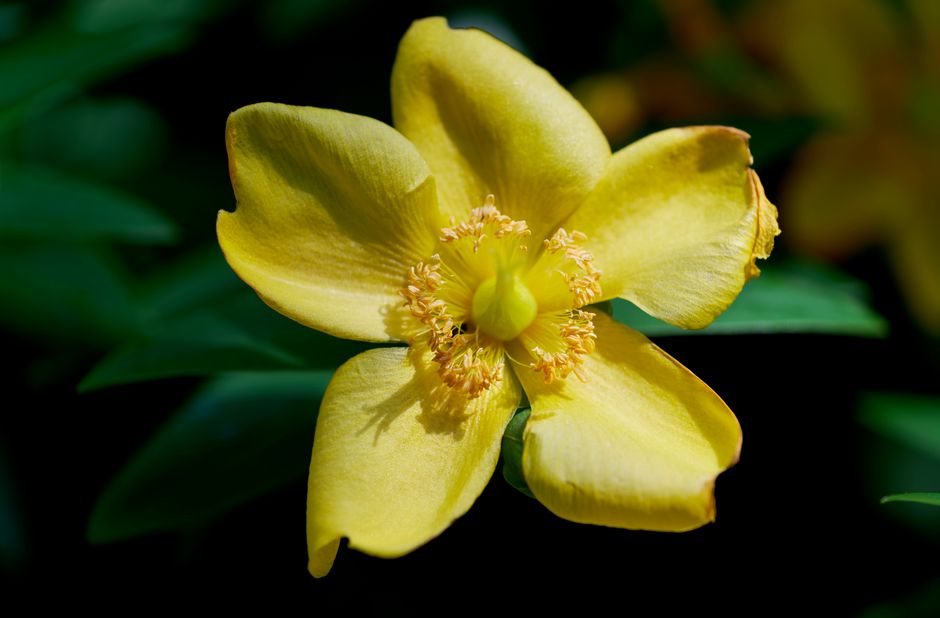
St. John’s wort is a flowering plant used for centuries in herbal medicine. Its scientific name is Hypericum perforatum. Most people know it today as a natural remedy for mild to moderate depression, and it is one of the most studied herbal supplements in the world.
What Is St John’S Wort and How Does It Work?
St. John’s wort contains several active compounds. The two most studied are hypericin and hyperforin. Researchers believe these compounds affect brain chemicals like serotonin, dopamine, and norepinephrine. These are the same chemicals targeted by many prescription antidepressants.
The exact mechanism is still not fully understood. What is clear is that St. John’s wort appears to increase the availability of these mood-regulating chemicals in the brain. This is why it has drawn so much attention from researchers and people looking for alternatives to conventional antidepressants.
The plant gets its name from its blooming period, which traditionally falls around late June. That timing coincides with the feast day of St. John the Baptist. The “wort” part simply means plant in Old English.
Is St. John’s Wort Effective for Depression?
Studies have produced mixed results, but the overall picture is important to understand. Research consistently shows that St. John’s wort is more effective than a placebo for mild to moderate depression. Some studies have also found it works about as well as standard prescription antidepressants for these cases.
However, the evidence is much weaker for severe depression. Several large trials found no significant benefit over placebo for people with major or severe depression. This is a critical distinction. What works for mild cases may not work for serious ones.
Some research suggests that the quality and standardization of the extract matter. European studies often use a standardized extract called LI 160. Many studies showing benefit used this specific formulation. Results may not apply to every product sold in stores.
If you are considering St. John’s wort for depression, talk to a doctor first. Do not stop taking a prescribed antidepressant without medical supervision. Abruptly stopping any antidepressant can cause withdrawal symptoms and a return of depression.
What Are the Known Side Effects?
St. John’s wort is generally well tolerated by most people. The most common side effects are mild and include stomach upset, dizziness, fatigue, dry mouth, and skin sensitivity to sunlight. These effects usually go away on their own as the body adjusts.
Photosensitivity is worth taking seriously. Some people become more sensitive to sun exposure while taking this herb. Fair-skinned individuals or those spending long hours outdoors should use sunscreen and protective clothing.
Serious side effects are rare but possible. Some people have reported confusion, agitation, or a manic episode. This is more likely in people with bipolar disorder. Anyone with a history of mania should avoid St. John’s wort.




The Serious Drug Interactions You Must Know
This is the most important section in this article. St. John’s wort changes how the liver processes many medications. It speeds up the breakdown of certain drugs, making them less effective. This can be dangerous for some people.
St. John’s wort can reduce the effectiveness of birth control pills. Unplanned pregnancies have occurred in women taking both. It can also weaken blood thinners like warfarin, increasing the risk of blood clots.
Other serious interactions include:
- Antidepressants — combining St. John’s wort with SSRIs can cause serotonin syndrome, a potentially life-threatening condition
- Organ transplant medications — it can cause organ rejection by lowering drug levels
- HIV medications — it can reduce their effectiveness significantly
- Cancer medications — it can interfere with chemotherapy drugs
- Heart medications — including digoxin and some blood pressure drugs
These interactions are well documented. The list above is not complete. Always tell your doctor and pharmacist about every supplement you take, including herbal products.
What Is the Right Dosage?
Clinical guidelines vary, but most studies used a standardized extract of 300 mg taken three times daily. That equals 900 mg per day total. Some products are standardized to contain 0.3% hypericin or 3-5% hyperforin.
It takes time to work. Most studies show benefits appearing after 4 to 8 weeks of consistent use. Taking it for a few days and expecting results will lead to disappointment. It is not a fast-acting treatment.
No clinical guidelines currently exist for children, pregnant women, or breastfeeding mothers. The safety of St. John’s wort in these populations has not been established. Pregnant women should not take it without explicit approval from their obstetrician.
Do not assume that a higher dose is better. Taking more than the studied amounts increases the risk of side effects and interactions without proven additional benefit.
How Does It Compare to Prescription Antidepressants?
St. John’s wort has some advantages over prescription antidepressants. It generally causes fewer sexual side effects, which are common with SSRIs. It also tends to cause less weight gain. Some people find the side effect profile easier to tolerate.
But the comparison is not simple. Prescription antidepressants undergo rigorous testing for purity, consistency, and effectiveness. Herbal supplements do not. The FDA does not regulate supplements the same way it regulates drugs. Product quality can vary between brands and even between batches of the same brand.
Some studies indicate that St. John’s wort works similarly to low-dose tricyclic antidepressants and SSRIs for mild depression. But the risk of drug interactions is significantly higher with St. John’s wort. This makes it a poor choice for people on multiple medications.
The evidence for severe depression favors prescription antidepressants. No large, well-designed trial has shown St. John’s wort to be effective for severe cases. If your depression is severe, this is not the right first choice.
What to Look for When Buying a Supplement
Quality varies widely among St. John’s wort products. Look for brands that use third-party testing. These companies verify that the product contains what the label claims. Some reputable third-party certifiers include USP, NSF International, and ConsumerLab.
Check the label for standardization. Products standardized to contain a specific amount of hypericin or hyperforin are more likely to match what was used in clinical studies. Avoid products that do not list active compound amounts.
Buy from established companies with a track record. This is not a place to save money with the cheapest option. A product that contains little or no active ingredient is a waste of money and may delay effective treatment.
Who Should Avoid St. John’s Wort Entirely?
Some people should not take this herb under any circumstances. Anyone taking prescription antidepressants should avoid it unless a doctor explicitly approves. The risk of serotonin syndrome is real and can be fatal.
People taking blood thinners, transplant medications, HIV medications, or chemotherapy should avoid it. The interactions are too dangerous. Women on birth control pills should use a backup method or choose a different treatment.
People with bipolar disorder should avoid it due to the risk of triggering mania. People with liver disease should also be cautious, since the herb affects liver enzyme activity.
If you are pregnant, planning to become pregnant, or breastfeeding, do not take St. John’s wort. No safety data exists for these situations. The potential risk to the baby is not worth it.
Frequently Asked Questions
How long does St. John’s wort take to work?
Most studies show benefits appearing after 4 to 8 weeks of consistent use. It is not a fast-acting treatment and requires daily dosing to be effective.
Can I take St. John’s wort with antidepressants?
No. Combining St. John’s wort with antidepressants can cause serotonin syndrome, which is potentially life-threatening. This combination should be avoided completely.
Does St. John’s wort interact with birth control?
Yes. St. John’s wort can reduce the effectiveness of birth control pills, leading to unplanned pregnancies. Use a backup contraceptive method if you take both.
Is St. John’s wort safe during pregnancy?
No clinical guidelines currently exist for use during pregnancy or breastfeeding. The safety has not been established, so it should be avoided unless your obstetrician explicitly approves.
