
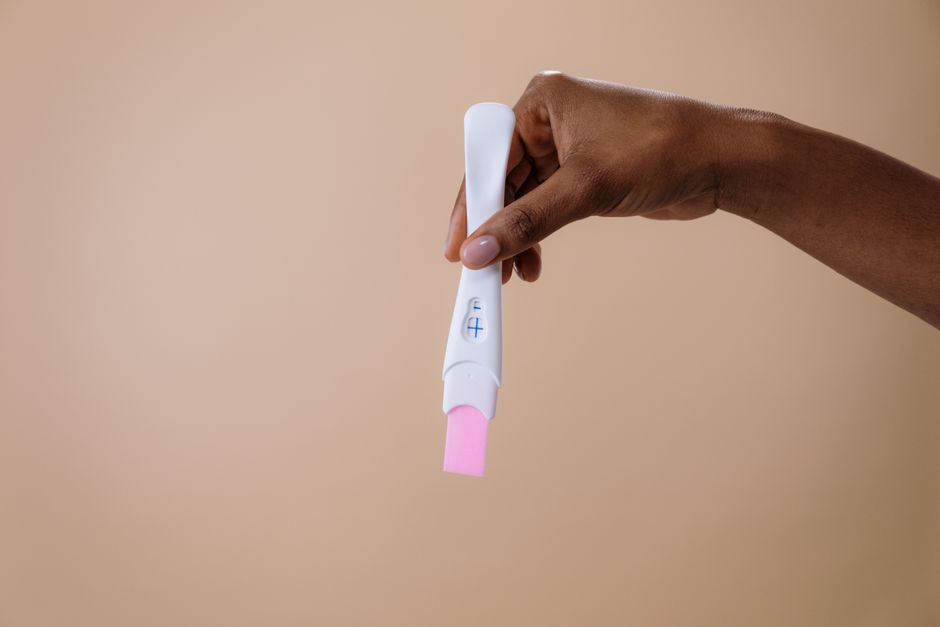
Spotting can be a sign of pregnancy hormones, but it is not a reliable one on its own. Light bleeding in early pregnancy is common, and hormonal changes are one reason it happens. The same kind of spotting can also come from implantation, cervical irritation, infection, or a menstrual cycle about to start. That overlap is why spotting alone cannot confirm pregnancy or tell you whether hormone levels are normal.
The hormones most often linked to early-pregnancy spotting are estrogen and progesterone. Both rise quickly after conception and affect the lining of the uterus and the cervix. Those changes can cause small amounts of bleeding. They can also cause spotting when hormone levels shift in ways that are not dangerous. The sections below explain what the evidence supports, what it does not, and when spotting needs medical attention.
What Is Spotting A Sign Of Pregnancy Hormones More?
Pregnancy hormones can cause spotting because they change the tissue of the uterus and cervix. Progesterone helps maintain the uterine lining, and estrogen promotes blood flow to the reproductive organs. As these hormones rise, the cervix can become softer and more fragile, and small blood vessels near its surface may bleed easily.
This is a real and recognized cause of light bleeding in early pregnancy. It is also one of several causes. A 2010 review of bleeding in early pregnancy, published in the journal American Family Physician, noted that bleeding in the first trimester is common and has many possible sources. Hormonal change is one; implantation, cervical polyps, infection, and miscarriage are others.
Here is the part many people miss. Spotting caused by hormones is usually light and brief. It tends to be brown or pink rather than bright red. It is not typically accompanied by strong cramping. When spotting is heavy, painful, or persistent, hormones are less likely to be the whole explanation.
How Do Hormonal Changes Cause Light Bleeding?
The mechanism is mostly about blood vessels and tissue sensitivity. During early pregnancy, progesterone and estrogen rise to support the pregnancy. Estrogen increases blood flow to the cervix and vagina. The cervix becomes softer and its surface more delicate.
That softer, more vascular cervix can bleed from minor contact. A pelvic exam, intercourse, or even a bowel movement can sometimes trigger a small amount of spotting. This is often called a cervical cause rather than a hormonal one, but the hormonal environment is what makes the cervix fragile in the first place.
Progesterone also affects the lining of the uterus. In very early pregnancy, the embryo implants into the lining, and that process itself can cause a small amount of bleeding. This is called implantation bleeding. It is not the same as a hormonal effect, but it happens during the same window when hormone levels are rising fast.
One clarification worth making: implantation bleeding is often described online as a clear sign of pregnancy. The evidence for that is weaker than the internet suggests. Many people who implant successfully have no bleeding at all, and many who have early spotting are not pregnant. Spotting is a possible sign, not a dependable one.
How Can You Tell Hormonal Spotting From Other Causes?
You often cannot tell from the bleeding alone. The color, amount, and timing overlap heavily between hormonal spotting, implantation bleeding, and the start of a normal period. That is the honest position, and it is why testing matters more than reading the spotting.
Some general patterns are worth knowing, but they are tendencies, not rules:
- Hormonal or cervical spotting tends to be light and may be brown or pink.
- Implantation bleeding, when it happens, is usually very light and short.
- Menstrual bleeding typically builds in flow and is often accompanied by cramping.
- Bleeding with pain, clots, or increasing flow is less consistent with harmless hormonal spotting.
A home pregnancy test detects a hormone called human chorionic gonadotropin (hCG), which is produced after implantation. Testing is the practical way to sort out whether spotting is related to pregnancy at all. Timing matters, because hCG may be too low to detect very early.
Does Spotting Mean Your Hormone Levels Are Abnormal?
No. Most light spotting in early pregnancy does not mean hormone levels are abnormal. Progesterone and estrogen normally fluctuate, and small amounts of bleeding are common without any underlying problem.
There are situations where hormones and bleeding are genuinely connected. Low progesterone is sometimes discussed as a cause of early bleeding, and some clinicians check progesterone levels when a pregnancy is not progressing as expected. This is an area where clinical practice varies. The evidence on treating low progesterone with supplements to prevent miscarriage is mixed, and it depends heavily on the specific situation. It is not a general fix for spotting.
What is clearer is that heavy bleeding, passing clots, or bleeding with strong cramping warrants prompt medical evaluation. Those signs are less about hormones and more about checking that the pregnancy is progressing normally.
When Should Spotting During Pregnancy Be Checked?
Any bleeding in pregnancy is worth mentioning to a clinician. That does not mean every case is serious. It means the range of causes is wide enough that a professional should help sort it out.
Seek care promptly if you have:
- Bleeding that is heavy, bright red, or increasing
- Passing clots or tissue
- Strong or persistent cramping or abdominal pain
- Dizziness, fainting, or shoulder pain
- Fever or signs of infection
The last two matter because they can point to causes beyond hormones, including ectopic pregnancy, which is a medical emergency. Ectopic pregnancy occurs when a fertilized egg implants outside the uterus, and it can cause bleeding and pain. It is not common, but it is serious, and it is one reason bleeding in early pregnancy should never be dismissed without evaluation.
Light spotting with no other symptoms is usually less urgent. It still deserves a call to your clinician, who can decide whether an exam or ultrasound is needed.
What Else Can Cause Spotting Besides Hormones?
Many things can cause light bleeding, and hormones are only one. Knowing the alternatives helps you avoid assuming the cause.
Common non-hormonal causes include cervical irritation from an exam or intercourse, cervical polyps, and vaginal or cervical infection. These can produce spotting that has nothing to do with pregnancy hormones. Implantation bleeding is another cause in early pregnancy. A menstrual period about to begin can also produce light spotting before flow starts.
More serious causes include miscarriage and ectopic pregnancy. These are less common than the harmless causes, but they are the reason evaluation exists. The point is not to worry about every possibility. It is to recognize that spotting is a symptom with several explanations, and the only reliable way to know which one applies is through testing and, when needed, examination.
Frequently Asked Questions
Can pregnancy hormones cause spotting without any other symptoms?
Yes. Hormonal and cervical spotting can happen with no cramping or other symptoms. Light spotting alone is common and often not serious, but it should still be mentioned to a clinician.
How long does hormonal spotting usually last?
It is typically brief, often a day or two, though this varies. Spotting that persists, increases, or comes with pain should be evaluated rather than watched indefinitely.
Does spotting mean I am definitely pregnant?
No. Spotting has many causes, including an approaching period, cervical irritation, and infection. A pregnancy test is the reliable way to know whether pregnancy is involved.
Can low progesterone cause spotting in early pregnancy?
Low progesterone is sometimes discussed as a factor in early bleeding, but the evidence linking it to spotting is not clear-cut. Some clinicians check progesterone levels, and treatment decisions depend on the individual situation.
