
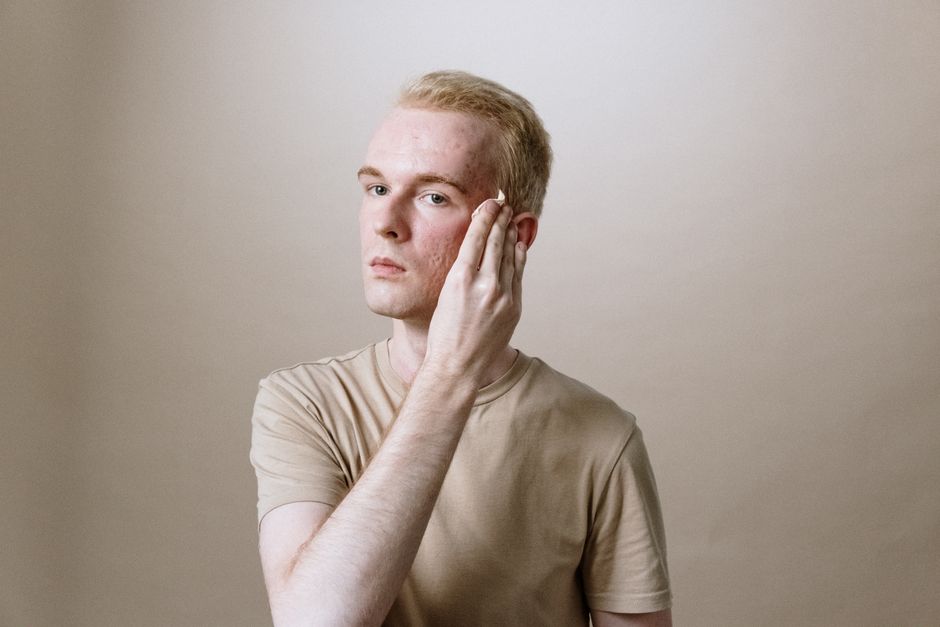
Spot treatment for acne means applying a product directly to a single pimple instead of covering your whole face. The idea is simple: deliver the active ingredient where the breakout is, and leave the rest of your skin alone. Most spot treatments fall into a few categories — benzoyl peroxide, salicylic acid, sulfur, and occasionally stronger prescription ingredients. How well they work depends on what kind of pimple you have, how you apply them, and how consistent you are.
What Is Spot Treatment For Acne And How To Use It?
A spot treatment is a concentrated product applied only to individual blemishes. It is not the same as a full-face acne regimen, and it is not designed to prevent acne from forming in the first place.
The basic steps are consistent across most products:
- Wash your face gently and pat it dry.
- Apply a thin layer of the product directly onto the pimple, not the surrounding skin.
- Let it dry completely before applying anything else.
- Follow the frequency instructions on the label — more is not better.
The most common mistake is over-application. People layer spot treatments several times a day, or use them across the whole face. That does not speed up healing. It usually causes redness, peeling, and irritation that can make the breakout look worse and damage the skin barrier.
Spot treatments work best on inflamed pimples that have already surfaced — the red, raised kind. They do very little for blackheads, whiteheads, or deep cystic acne that never comes to a head.
What Ingredients Are Actually in Spot Treatments?
The over-the-counter options that have the most support are benzoyl peroxide and salicylic acid. Both have been used for decades and have reasonable evidence behind them.
Benzoyl peroxide kills acne bacteria on the skin and helps reduce inflammation. It is one of the more effective non-prescription options for inflamed pimples. It can bleach fabric, so use white pillowcases and towels if you apply it before bed. Common concentrations range from 2.5% to 10%. Higher strength does not necessarily work better — it mostly increases irritation.
Salicylic acid is a beta-hydroxy acid that helps unclog pores by breaking down the material blocking them. It tends to be gentler than benzoyl peroxide and is often used for milder breakouts. Typical concentrations in spot products range from 0.5% to 2%.
Sulfur has been used for acne for a long time. It has mild antibacterial and drying effects. The evidence for sulfur is older and less robust than for benzoyl peroxide, but it remains a common ingredient, particularly in products for sensitive skin.
Prescription options like topical retinoids, topical antibiotics, and stronger formulations are handled differently. They are usually part of a full-face treatment plan rather than a single-pimple spot treatment.
Which Type of Pimple Should You Spot Treat?
Spot treatments are best suited to papules and pustules — the red bumps and the ones with a visible white or yellow center. These are inflamed pimples close to the surface, and a topical product can reach them.
They are much less useful for:
- Blackheads and whiteheads (comedones), which are clogged pores without inflammation. A full-face exfoliating routine works better here.
- Nodules and cysts, which form deep under the skin. A surface product cannot reach them, and squeezing or picking makes scarring more likely.
If you have deep, painful bumps or widespread acne, a spot treatment alone is unlikely to be enough. That pattern usually needs evaluation by a clinician, because it can lead to permanent scarring and often responds better to systemic treatment.
How Often Should You Apply Spot Treatment?
Follow the product label, and when in doubt, start less often than you think you need. Most over-the-counter spot treatments are designed for once or twice daily use on individual blemishes.
Applying more frequently does not make a pimple heal faster. It increases the chance of irritation, dryness, and a damaged skin barrier — which can trigger more breakouts. If your skin becomes red, flaky, or stings, pull back.
Benzoyl peroxide can be drying, so moisturizing the surrounding skin is reasonable. Some people find that alternating days works better for their skin than daily use. There is no single schedule that fits everyone.
How Long Does Spot Treatment Take to Work?
This is where expectations often get out of line with reality. A spot treatment is not an overnight fix.
An inflamed pimple typically runs its course over several days regardless of what you put on it. A spot treatment may help calm inflammation or reduce bacteria, but it does not erase a pimple by morning. Some people notice improvement in a day or two; others see little change until the pimple resolves on its own.
If a blemish is not improving after about a week, or if you are getting new breakouts faster than old ones heal, that is a sign the approach is not matching the problem. Persistent or worsening acne is worth a conversation with a clinician rather than more product.
What Are the Risks and Common Mistakes?
The main risk with spot treatments is irritation from overuse. Redness, peeling, burning, and dryness are common when products are applied too often, layered together, or spread beyond the blemish.
Other common mistakes:
- Using multiple spot treatments at once. Combining benzoyl peroxide, salicylic acid, and other actives in the same spot raises irritation risk without clear added benefit.
- Applying to the whole face. That turns a spot treatment into an uncontrolled full-face treatment, which is not how it was designed to be used.
- Picking or popping the pimple. This pushes bacteria and inflammation deeper and increases the risk of scarring and dark marks.
- Expecting prevention. Spot treatments treat existing pimples. They do not stop new ones from forming.
If you are pregnant or breastfeeding, check with a clinician before using any acne product. Some ingredients used in acne treatment are not recommended during pregnancy, and guidance here should come from your own clinician rather than a general article.
When Is Spot Treatment Not Enough?
Spot treatment is a tool for occasional, mild breakouts. It is not a full acne treatment plan, and it is not meant to be.
Acne is a condition driven by several factors at once — excess oil, clogged pores, bacteria, and inflammation. A product dabbed on one pimple addresses only the surface of that. If acne is persistent, widespread, or leaving marks and scars, the more effective approach is usually a consistent full-face regimen, often including a retinoid, rather than spot-treating pimple by pimple.
That said, spot treatments have a real place. For the occasional pimple before an event, or for someone with mostly clear skin who gets the odd breakout, they can be a reasonable and low-effort option. The key is matching the tool to the problem.
Frequently Asked Questions
Does spot treatment actually work on pimples?
It can help with mild, surface-level inflamed pimples, especially products containing benzoyl peroxide or salicylic acid. It does not work well on deep cystic acne or on blackheads and whiteheads.
Can you use spot treatment every day?
Most over-the-counter spot treatments are designed for once or twice daily use on individual blemishes, following the label. Using them more often raises the risk of irritation without speeding up healing.
Should you pop a pimple before applying spot treatment?
No. Popping pushes bacteria and inflammation deeper and increases the risk of scarring and dark marks. Apply the product to the intact pimple instead.
How long should you leave spot treatment on?
Follow the product label. Most leave-on spot treatments stay on the skin until your next cleansing step; some are designed to be rinsed off. Do not leave a product on longer than directed to try to get faster results.
