
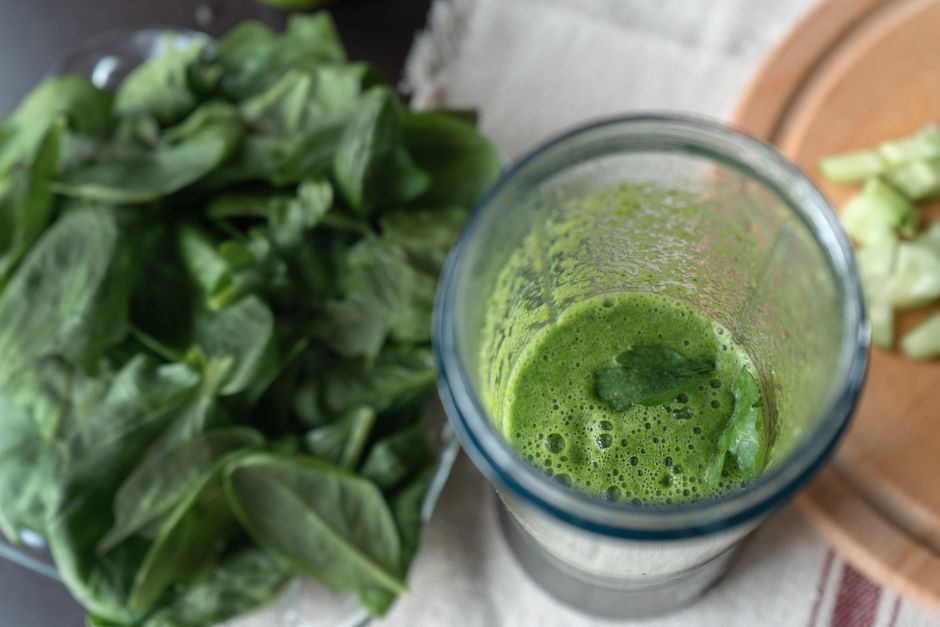
Spinach is one of the most nutrient-dense foods you can eat. It is a leafy green vegetable packed with vitamin K, vitamin A, manganese, and folate. Regular consumption supports bone health, eye health, and blood pressure regulation because of its high concentration of nitrates and antioxidants.
What Is Spinach Good For?
Spinach is good for protecting your eyes, strengthening bones, lowering blood pressure, and supporting healthy digestion. The leaves contain high levels of lutein and zeaxanthin, two antioxidants that accumulate in the retina and filter harmful light. These compounds are linked to a lower risk of age-related macular degeneration and cataracts.
The vegetable also provides a reliable source of non-heme iron, which matters for people who do not eat red meat. While the body absorbs plant-based iron less efficiently than animal iron, pairing spinach with vitamin C-rich foods like lemon juice or bell peppers improves absorption meaningfully.
What Nutrients Are Actually in Spinach?
A 100-gram serving of raw spinach contains only about 23 calories but delivers substantial nutrition. That same serving provides roughly 483 milligrams of vitamin K, which exceeds the daily requirement for most adults. Vitamin K is essential for blood clotting and bone metabolism.
Spinach also contains significant amounts of vitamin A in the form of beta-carotene, folate, and magnesium. Folate is particularly important during pregnancy because it supports neural tube development in the fetus. Magnesium plays a role in over 300 enzymatic reactions in the body, including muscle contraction and nerve transmission.
One nutrient deserves special attention. Spinach is rich in oxalates, naturally occurring compounds that bind to calcium and can reduce its absorption. This means spinach is not the best source of dietary calcium despite containing measurable amounts. Kale and broccoli offer more absorbable calcium if that is your goal.
Can Spinach Lower Blood Pressure?
Yes, evidence supports this. Spinach contains dietary nitrates, which the body converts to nitric oxide. Nitric oxide relaxes blood vessel walls, improving blood flow and reducing pressure on the cardiovascular system.
Several clinical trials have demonstrated that nitrate-rich vegetables like spinach can produce modest reductions in systolic blood pressure. The effect typically appears within hours of consumption and is more pronounced in people with elevated blood pressure than in those with normal readings.
This is not a substitute for medication. If you take blood pressure medication, eating spinach is safe and complementary, but you should not adjust your medication based on dietary changes without consulting your doctor.
Does Spinach Protect Your Eyes?
The evidence here is strong. Spinach is one of the richest dietary sources of lutein and zeaxanthin, carotenoids that concentrate in the macula of the eye. The macula is responsible for central vision and detail perception.
Research consistently shows that higher dietary intake of these carotenoids is associated with a lower risk of advanced age-related macular degeneration. The Age-Related Eye Disease Study, a major clinical trial conducted by the National Eye Institute, found that supplements containing lutein and zeaxanthin reduced the risk of progression to advanced macular degeneration in people who already had intermediate disease.
Whole food sources like spinach may offer advantages over supplements. The carotenoids in spinach are accompanied by other antioxidants and fiber that support overall health. Cooking spinach lightly with a small amount of fat improves carotenoid absorption because these compounds are fat-soluble.
What About Spinach and Bone Health?
Spinach supports bone health primarily through vitamin K. This vitamin activates proteins that help bind calcium to bone tissue. Without adequate vitamin K, even high calcium intake does not translate into stronger bones.
One serving of cooked spinach provides more than double the daily recommended intake of vitamin K for most adults. This makes spinach one of the most efficient dietary sources of this nutrient available.
There is a complication worth understanding. The oxalates in spinach limit calcium absorption from the spinach itself. However, the vitamin K in spinach still supports bone health by helping your body use calcium from other foods you eat during the day. Eating spinach alongside dairy or fortified plant milks creates a complementary effect.
People taking blood-thinning medications like warfarin should be cautious. Warfarin works by blocking vitamin K activity, and sudden increases in vitamin K intake can interfere with the medication’s effectiveness. If you take warfarin, keep your spinach consumption consistent and discuss any major dietary changes with your prescriber.
Is Raw or Cooked Spinach Better?
Both forms have value, but they deliver nutrients differently. Raw spinach contains more vitamin C because heat degrades this water-soluble vitamin. A fresh spinach salad preserves the full vitamin C content.
Cooked spinach offers better absorption of certain nutrients. Heat breaks down oxalates partially and collapses the leafy structure, which means you can eat more spinach in one serving. A cup of cooked spinach contains roughly three times the nutrients of a cup of raw spinach simply because more leaves fit in the cup.
One serving of cooked spinach delivers more iron, calcium, and magnesium per gram than raw spinach. The trade-off is that cooking reduces vitamin C and some B vitamins.
A practical approach is to eat both. Use raw spinach in salads and smoothies. Add cooked spinach to eggs, pasta, soups, and grain dishes. This variety ensures you get the full range of nutrients the plant offers.
Can Spinach Help with Weight Management?
Spinach is exceptionally low in calories while providing high volume and fiber. A 100-gram serving of raw spinach contains about 2.2 grams of fiber and only 23 calories. This creates satiety without energy surplus.
The thylakoids in spinach have drawn research interest for their potential effect on appetite. Some studies suggest thylakoid extracts may slow fat digestion and increase levels of hormones that signal fullness. This research is preliminary, and most studies have used concentrated extracts rather than whole leaves.
Eating spinach as part of a balanced diet supports weight management through practical mechanisms. It displaces higher-calorie foods when used as a base for meals. It adds water and fiber to the digestive tract. It provides micronutrients that support metabolic function.
Are There Risks to Eating Spinach?
Spinach is safe for most people in normal food amounts. The main concerns involve oxalates, vitamin K, and food safety.
People with a history of calcium oxalate kidney stones may need to limit spinach. The oxalates in spinach can increase urinary oxalate excretion, which contributes to stone formation in susceptible individuals. If you have had kidney stones, ask your doctor whether spinach fits into your dietary plan.
Food safety matters with raw spinach. Leafy greens have been associated with outbreaks of E. coli and other pathogens. Washing spinach thoroughly reduces but does not eliminate risk. People who are pregnant, elderly, or immunocompromised should consider cooking spinach to reduce the risk of foodborne illness.
Spinach also contains goitrogens, compounds that can interfere with thyroid function in very high amounts. This is rarely a problem with normal dietary intake. People with existing thyroid conditions who eat large quantities of raw spinach daily should discuss this with their healthcare provider.
How Much Spinach Should You Eat?
No official guideline specifies an exact spinach serving for general health. Dietary guidelines generally recommend about 2.5 to 3 cups of vegetables per day for adults, with leafy greens as one component of that total.
A practical target is one to two servings of spinach several times per week. One serving is about two cups of raw spinach or one cup of cooked spinach. This amount provides meaningful nutrient intake without creating concerns about oxalate load or vitamin K fluctuations.
More is not necessarily better. Eating spinach at every meal every day provides no proven additional benefit and may increase oxalate exposure. Variety across leafy greens and other vegetables ensures a broader range of nutrients than any single food can offer.
Frequently Asked Questions
Is spinach better for you raw or cooked?
Both forms are nutritious, but cooked spinach delivers more iron, calcium, and vitamin K per serving because the leaves shrink and you can eat more. Raw spinach preserves more vitamin C, which heat destroys.
Can eating spinach every day be harmful?
For most healthy people, daily spinach consumption is safe and beneficial. People with a history of calcium oxalate kidney stones or those taking warfarin should discuss spinach intake with their doctor.
Does spinach actually build muscle?
Spinach provides nitrates that may improve blood flow and oxygen efficiency during exercise, and it contains protein-building amino acids. It is not a complete protein source, so it supports but does not replace protein-rich foods.
Is baby spinach as nutritious as mature spinach?
Baby spinach is slightly lower in certain nutrients like vitamin K and iron per gram, but it is more tender and easier to eat in larger quantities. Both forms are excellent sources of vitamins A and K, folate, and antioxidants.
