
Specific gravity in urine—often listed as “Spec Grav” on a lab report—measures how concentrated or diluted your urine is. It compares the density of your urine to the density of pure water. Pure water has a specific gravity of 1.000, and normal urine typically falls between 1.005 and 1.030. This simple number tells your doctor a lot about how well your kidneys are balancing water and waste in your body.
What Does the Spec Grav Number Actually Measure?
Your kidneys filter your blood and produce urine. Their job is to keep the right amount of water in your body while removing waste. When you are well-hydrated, your kidneys make large amounts of dilute urine. When you are dehydrated, they make small amounts of concentrated urine.
Specific gravity reflects this process. It measures the weight of dissolved particles in your urine compared to water. These particles include salts, urea, and other waste products. A higher number means more particles and more concentrated urine. A lower number means fewer particles and more diluted urine.
Doctors use this test to check kidney function, hydration status, and the body’s ability to regulate fluids. It is a standard part of a urinalysis, which is one of the most common medical tests performed.
What Is a Normal Spec Grav Range?
A normal specific gravity range for urine is 1.005 to 1.030. This wide range is normal because your urine concentration changes throughout the day based on what you drink and eat.
First morning urine is usually the most concentrated because you have not had fluids for several hours overnight. It may be closer to 1.020 or higher. Urine later in the day, after drinking fluids, is often more dilute and may be closer to 1.005.
Values outside this range are not automatically a problem. A single reading slightly above or below normal may simply reflect your fluid intake. Doctors look at the number in context with other urine test results and your symptoms.
What Causes High Specific Gravity in Urine?
High specific gravity means your urine is more concentrated than normal. This usually happens when your body is holding onto water or when you are not taking in enough fluids.
Common causes include:
- Dehydration — Not drinking enough water is the most common cause. Your kidneys concentrate urine to preserve body water.
- Vomiting or diarrhea — These conditions cause fluid loss, making urine more concentrated.
- Excessive sweating — Heavy exercise, fever, or hot weather can lead to fluid loss.
- Low fluid intake — Simply not drinking enough throughout the day raises urine concentration.
- Certain medical conditions — Heart failure, kidney disease, and conditions that cause the body to retain water can raise specific gravity.
- Some medications — Certain drugs, including some diuretics used incorrectly, can affect urine concentration.
High specific gravity is rarely a problem on its own. It is a sign that your body may need more fluids. If it persists despite normal fluid intake, your doctor may investigate further.





What Causes Low Specific Gravity in Urine?
Low specific gravity means your urine is more dilute than normal. This happens when your kidneys are excreting more water than usual or when you are drinking large amounts of fluid.
Common causes include:
- High fluid intake — Drinking more water than your body needs dilutes urine.
- Diuretic medications — These drugs, sometimes called water pills, increase urine output and dilute urine.
- Diabetes insipidus — This rare condition affects the body’s ability to regulate water balance. It causes excessive thirst and large volumes of dilute urine.
- Kidney disease — Some kidney conditions impair the organ’s ability to concentrate urine.
- Alcohol consumption — Alcohol suppresses an antidiuretic hormone, leading to more dilute urine.
Persistent low specific gravity may warrant further testing, especially if you also experience excessive thirst or frequent urination.
How Do Doctors Interpret Spec Grav Alongside Other Tests?
Specific gravity is rarely interpreted alone. Doctors combine it with other urine test results and your overall clinical picture.
One important comparison is with urine pH. Urine pH measures acidity. Together with specific gravity, these two numbers help doctors understand how your kidneys are handling fluids and electrolytes.
Doctors also look at other markers on a urinalysis, such as protein, glucose, and blood. For example, high specific gravity with glucose in the urine may suggest poorly controlled diabetes. Low specific gravity with protein may point toward kidney disease.
The relationship between specific gravity and hydration is not always straightforward. Some conditions, such as kidney disease, can make the kidneys unable to concentrate or dilute urine properly. In these cases, specific gravity may stay fixed near 1.010 regardless of fluid intake. This is called a fixed specific gravity and is a sign of impaired kidney function.
Can Diet or Medications Affect Spec Grav Readings?
Yes. What you eat and drink can influence your urine specific gravity, sometimes significantly.
High-protein diets can increase urine concentration because protein metabolism produces more waste products that the kidneys must excrete. This can raise specific gravity even with normal fluid intake.
Certain foods and supplements can also affect the test. Large amounts of vitamin C, for example, can alter urine composition. Some herbal supplements and over-the-counter medications may change urine concentration or color, which can interfere with test interpretation.
Medications that affect fluid balance have the most direct impact. Diuretics increase urine output and lower specific gravity. Some blood pressure medications, lithium, and certain antibiotics can also influence the reading.
If you are having a urinalysis, tell your doctor about all medications and supplements you take. This helps them interpret your results accurately.
How Is Spec Grav Tested?
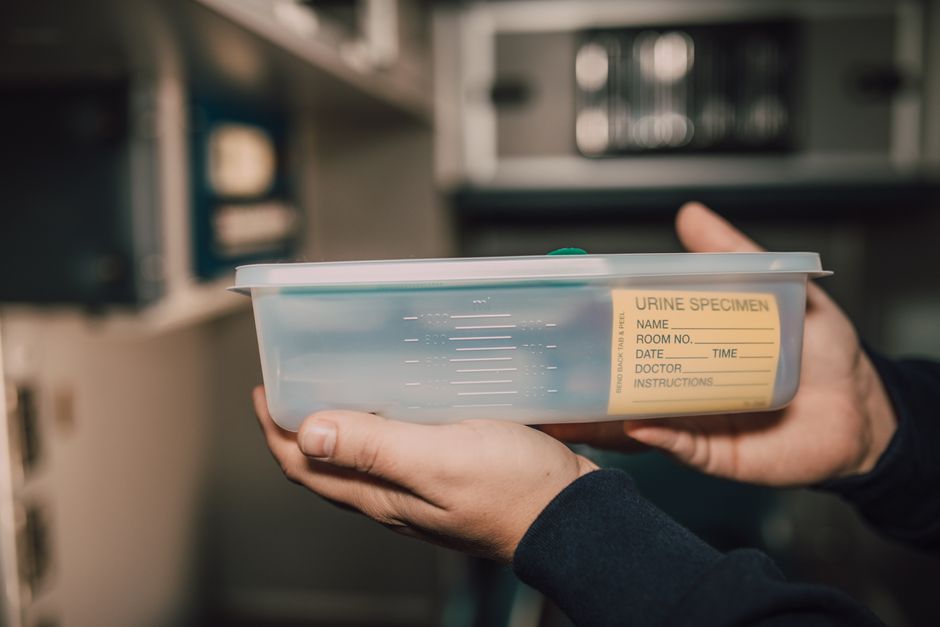
The test is simple and painless. You provide a urine sample in a sterile cup. The sample is analyzed in a laboratory or at the point of care.
Most modern laboratories use a method called refractometry. A small drop of urine is placed on a device called a refractometer, which measures how light bends as it passes through the sample. More concentrated urine bends light more, giving a higher specific gravity reading.
Another common method uses a dipstick. A plastic strip with chemical pads is dipped into the urine. One pad changes color based on urine concentration, and the color is compared to a chart. Dipstick readings are slightly less precise than refractometry but are quick and convenient.
In rare cases, a test called a urine osmolality may be ordered. This measures the actual number of dissolved particles in urine, not just the density. Osmolality is more precise but is not part of a routine urinalysis.
When Should You Be Concerned About Spec Grav Results?
One abnormal reading is rarely cause for alarm. Your urine concentration naturally changes throughout the day, and a single sample may not reflect your overall health.
You should discuss your results with your doctor if:
- Specific gravity is consistently outside the normal range on multiple tests
- You have other symptoms such as excessive thirst, frequent urination, or fatigue
- You have a known kidney condition and your specific gravity changes suddenly
- Other urine tests show abnormalities alongside the specific gravity reading
If your specific gravity is high due to dehydration, increasing your fluid intake and retesting is often the first step. If it is low and you drink large amounts of water, your doctor may ask about your fluid habits.
No clinical guidelines recommend treating an isolated abnormal specific gravity reading. It is a diagnostic clue, not a disease. Your doctor will use it to guide further investigation if needed.
What Is Spec Grav In Urine Compared to Other Urine Tests?
Specific gravity is one of several physical properties of urine that doctors measure. It is often confused with urine pH, but they measure different things.
Specific gravity measures concentration. pH measures acidity. Both are part of a routine urinalysis but provide different information about your health.
Here is how specific gravity compares to other common urine measurements:
| Test | What It Measures | Normal Range |
|---|---|---|
| Specific gravity | Urine concentration | 1.005 to 1.030 |
| pH | Urine acidity | 4.5 to 8.0 |
| Protein | Protein in urine | Negative or trace |
| Glucose | Sugar in urine | Negative |
| Ketones | Fat breakdown products | Negative |
Each test provides a piece of the puzzle. Specific gravity tells your doctor about water balance. The other tests provide information about kidney function, metabolism, and potential disease processes.
Frequently Asked Questions
What does spec grav 1.030 mean in urine?
A specific gravity of 1.030 is at the high end of the normal range. It usually means your urine is concentrated, which commonly occurs with dehydration or low fluid intake.
Can drinking too much water cause low specific gravity in urine?
Yes. Drinking more water than your body needs dilutes your urine and lowers specific gravity. This is usually harmless and temporary.
Is specific gravity 1.005 normal?
Yes, 1.005 is at the low end of the normal range. It typically means your urine is dilute, which is common after drinking fluids.
Does specific gravity in urine indicate kidney disease?
Not by itself. A single abnormal reading can result from hydration status or diet. Persistent abnormalities, especially with other abnormal urine tests, may prompt further kidney evaluation.
