
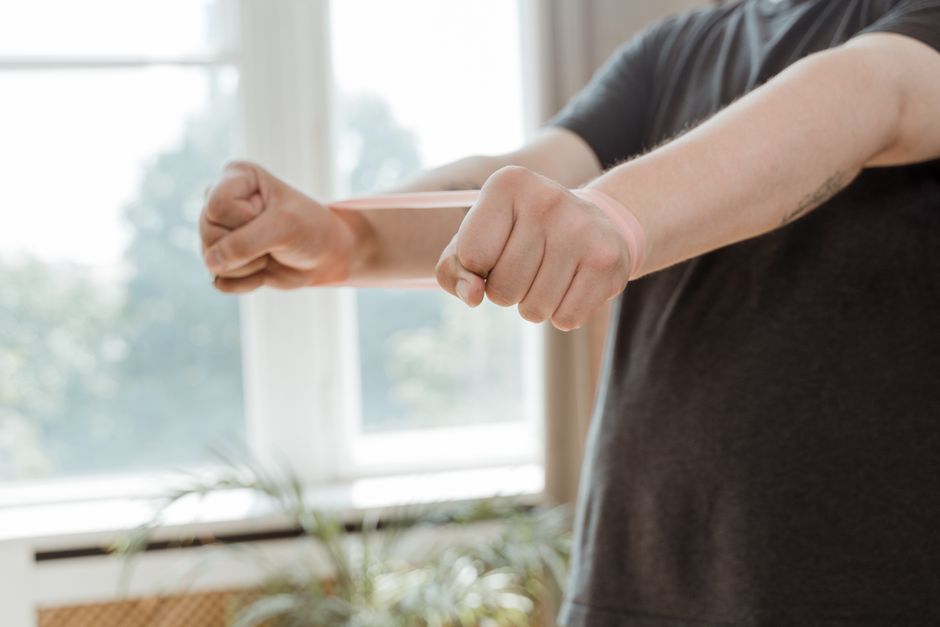
Spasticity is a condition where certain muscles continuously contract, causing stiffness, tightness, and difficulty with movement. It happens when signals from your brain and spinal cord to your muscles get disrupted, often after a stroke, spinal cord injury, or in conditions like multiple sclerosis. Treatment focuses on relaxing the muscles and improving function through physical therapy, medication, or in some cases, surgery.
What Exactly Happens in the Body During Spasticity?
To understand spasticity, you need to know how normal muscle control works. Your brain sends signals down your spinal cord to tell muscles when to contract and when to relax. This system relies on a careful balance of excitatory and inhibitory signals.
In spasticity, the inhibitory signals get lost or weakened. The muscles receive too many “contract” commands and not enough “relax” commands. This causes them to stay tight or to jerk unexpectedly when you try to move them. The National Institute of Neurological Disorders and Stroke describes this as a velocity-dependent increase in muscle tone. That means the faster you try to stretch the muscle, the more it resists.
This is different from simple muscle tightness after exercise. Spasticity is a neurological problem, not a muscle problem. The muscle itself is fine. The issue is in the wiring — the nerve pathways that control it.
What Causes Spasticity in Muscles?
Spasticity results from damage to the parts of the brain or spinal cord that control voluntary movement. The most common causes include stroke, traumatic brain injury, spinal cord injury, and multiple sclerosis. According to the American Stroke Association, about 25 to 43 percent of stroke survivors experience some degree of spasticity within the first year.
Other causes include cerebral palsy, which affects children from birth, and conditions like amyotrophic lateral sclerosis (ALS) or hereditary spastic paraplegia. In each case, the damage interrupts the normal flow of signals that keep muscle tone balanced.
Some people report that spasticity gets worse with certain triggers. These can include infections, skin ulcers, constipation, or even tight clothing. Stress and fatigue also seem to increase symptoms for many people. This is widely reported in clinical practice, though the exact mechanism is not fully understood.
How Is Spasticity Diagnosed and Measured?
Doctors diagnose spasticity through a physical exam and by asking about your medical history. They look for increased muscle tone, exaggerated reflexes, and muscle spasms. The most common tool used is the Modified Ashworth Scale. It grades spasticity from 0 to 4, where 0 means normal muscle tone and 4 means the limb is rigid and cannot be moved.
This scale is useful but has limits. It only measures resistance to passive movement. It does not capture how spasticity affects your daily life, like walking, dressing, or sleeping. That is why doctors also use patient-reported outcome measures, such as the Spasm Frequency Scale or the Patient-Reported Impact of Spasticity Measure.
Research published in the journal Archives of Physical Medicine and Rehabilitation has found that combining these tools gives a more complete picture. If you are being evaluated, expect your doctor to ask not just about tightness but about how it affects your function and comfort.





What Treatments Actually Work for Spasticity?
Treatment for spasticity depends on its severity and how much it affects your life. Milder cases may only need stretching and physical therapy. More severe cases often require medication or procedures.
| Treatment Type | How It Works | Evidence Level |
|---|---|---|
| Physical therapy and stretching | Keeps muscles flexible and prevents contractures | Strong — recommended as first-line by most guidelines |
| Oral medications (baclofen, tizanidine, diazepam) | Reduce nerve signals that cause muscle contraction | Moderate — effective but can cause drowsiness and weakness |
| Botulinum toxin injections (Botox) | Blocks nerve signals to specific overactive muscles | Strong — well-studied for focal spasticity |
| Intrathecal baclofen pump | Delivers medication directly to spinal fluid | Strong — effective for severe generalized spasticity |
| Surgery (selective dorsal rhizotomy) | Cuts selected nerve roots to reduce spasticity | Moderate — mostly used in cerebral palsy |
Physical therapy is the foundation. Stretching helps maintain range of motion and prevents muscles from shortening permanently, a condition called contracture. A therapist can teach you specific stretches and exercises tailored to your affected muscles.
For localized spasticity, like in one arm or leg after a stroke, Botox injections are often the best option. Research shows they reduce muscle tone for about three to six months. The effects are temporary, so repeat injections are needed.
For widespread spasticity, oral medications like baclofen or tizanidine are common. But they have significant side effects. Many people report drowsiness, weakness, and confusion, especially at higher doses. That is why doctors start with low doses and increase slowly.
When oral medications do not work or cause too many side effects, an intrathecal baclofen pump may be an option. A small pump is surgically placed in your abdomen and delivers medication directly to the fluid around your spinal cord. This allows much lower doses with fewer side effects. The American Academy of Physical Medicine and Rehabilitation considers this a well-established treatment for severe spasticity.
What Does the Evidence Say About Alternative Treatments?
Many people ask about cannabis, acupuncture, or electrical stimulation for spasticity. The evidence is mixed and often weaker than people assume.
Cannabis-based medicines, such as nabiximols (Sativex), have been studied for spasticity in multiple sclerosis. Some studies suggest they reduce spasticity slightly more than placebo. But the effect is modest. A 2014 Cochrane review found that nabiximols may improve spasticity in some people, but the evidence is not strong enough to recommend it for everyone. It is also not approved for use in all countries. As of 2026, the FDA has not approved any cannabis-based drug for spasticity in the United States, though Sativex is approved in some other countries.
Acupuncture is widely claimed to help with spasticity, but strong evidence is limited. Some small studies show temporary improvements in muscle tone, but larger, better-designed trials are needed. The same is true for transcutaneous electrical nerve stimulation (TENS). Some people report relief, but the clinical evidence does not consistently show benefit.
What about magnesium supplements or Epsom salt baths? Many people report that these help with muscle relaxation. This is a common home remedy. However, there is no clinical evidence that oral magnesium supplements reduce spasticity from neurological causes. Magnesium deficiency can cause muscle cramps, but spasticity is not the same thing. Warm baths may help temporarily by relaxing the muscle, but they do not treat the underlying nerve problem.
What to Avoid When Managing Spasticity
Some common approaches can make spasticity worse or lead to complications. Here is what to be careful about.
- Stopping medications suddenly. Baclofen withdrawal can cause serious problems, including seizures, hallucinations, and high fever. Always taper off under a doctor’s supervision.
- Ignoring triggers. As mentioned earlier, infections, skin sores, and constipation can worsen spasticity. Treating these triggers often improves symptoms without changing your medication.
- Overstretching cold muscles. Stretching is helpful, but doing it without warming up first can trigger a spasm. Gentle movement or heat before stretching is safer.
- Relying on quick fixes. Products claiming to “cure” spasticity with magnets, special diets, or unproven supplements are not supported by evidence. They waste time and money and may delay effective treatment.
One non-obvious point: spasticity is not always bad. In some people, it helps maintain muscle tone that allows them to stand or walk. If you have weakness in your legs, a certain amount of spasticity may actually help you bear weight. The goal of treatment is not to eliminate spasticity completely. It is to find the right balance so you can function as well as possible.
What Is Spasticity In Muscles Causes And Treatment — Long-Term Outlook
Spasticity is usually a chronic condition. It does not go away on its own, but it can be managed. Many people find that their symptoms stabilize or even improve over time with consistent treatment and therapy.
The key is early intervention. Research shows that starting treatment soon after the injury or diagnosis leads to better outcomes. Stretching and therapy can prevent contractures, which are permanent shortening of muscles. Once a contracture develops, it is much harder to treat.
Work with a rehabilitation team that includes a physiatrist, physical therapist, and occupational therapist. They can help you create a plan that addresses your specific needs. If spasticity is affecting your sleep, your ability to dress yourself, or your mobility, do not accept it as something you just have to live with. Effective treatments exist.
New treatments are also being studied. Researchers are looking at gene therapy, stem cells, and advanced rehabilitation techniques. But as of 2026, these remain experimental. The standard treatments — therapy, medications, injections, and pumps — are well-established and have good evidence behind them.
Frequently Asked Questions
Can spasticity go away on its own?
Spasticity rarely goes away without treatment. It can improve with therapy and medication, but the underlying nerve damage usually does not heal completely.
Is spasticity the same as a muscle spasm?
No. A muscle spasm is a sudden, brief contraction. Spasticity is a continuous increase in muscle tone that makes movement difficult.
Does stretching make spasticity worse?
Gentle, slow stretching usually helps. Fast or aggressive stretching can trigger a reflex that makes spasticity worse in the moment.
What is the safest medication for spasticity?
There is no single safest medication. The choice depends on your specific condition, how widespread the spasticity is, and your tolerance for side effects.
