
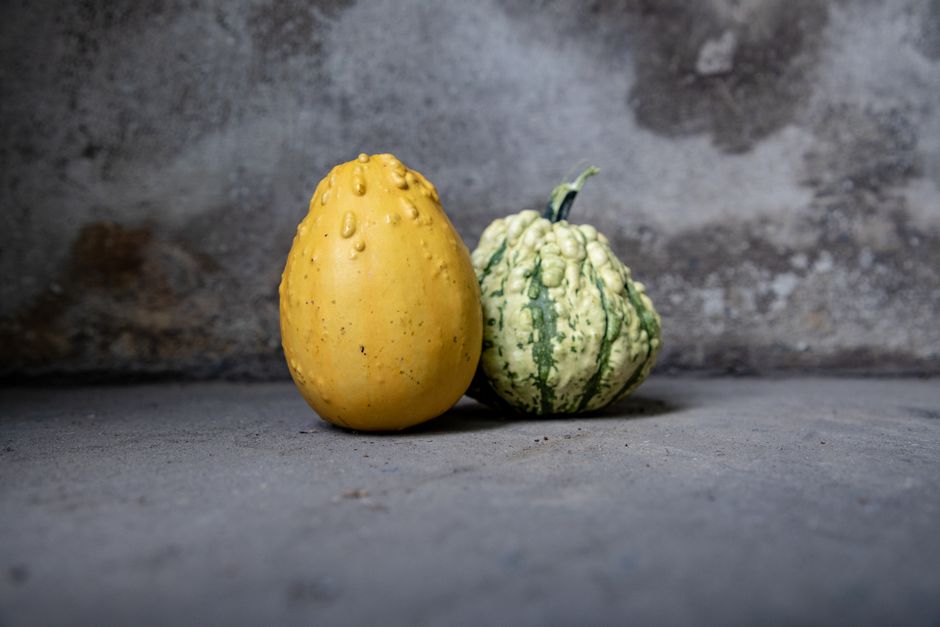
Spaghetti squash is a winter squash variety that, when cooked, separates into long, thin strands that look like spaghetti noodles. It is a real vegetable, not a pasta substitute made in a lab, and it has been grown and eaten for decades. A whole spaghetti squash is typically yellow or pale gold, oval-shaped, and has a hard, smooth rind that you do not eat.
What Is Spaghetti Squash Nutritionally?
Spaghetti squash is a low-calorie, low-carbohydrate vegetable. A one-cup serving of cooked spaghetti squash contains roughly 40 calories and about 10 grams of carbohydrates. That is a stark contrast to a cup of cooked wheat pasta, which runs closer to 200 calories and 40 grams of carbohydrates.
The squash provides a meaningful amount of fiber, vitamin C, and several B vitamins. It also contains potassium and manganese. It is not a significant source of protein or fat, so it works best as a base for other foods rather than as a complete meal on its own.
People often describe it as a “pasta replacement,” but that framing misses the point. It is not trying to be pasta. It is a vegetable that happens to have a noodle-like texture. Treating it as a way to add more vegetables to a meal is more accurate than treating it as a direct swap for wheat noodles in every dish.
How Do You Cook Spaghetti Squash?
The most common cooking method is roasting. Cut the squash in half lengthwise, scoop out the seeds, and place the halves cut-side down on a baking sheet. Roast at 400°F for about 35 to 45 minutes, depending on the size of the squash. The flesh is done when a fork easily pierces the rind.
After roasting, let it cool enough to handle. Use a fork to scrape across the flesh, and the strands will pull away naturally. The texture is slightly crisp-tender, not mushy, when cooked correctly.
Microwaving works too. Cut the squash in half, remove the seeds, and place the halves cut-side down in a microwave-safe dish with a little water. Cook on high for 10 to 12 minutes. The texture is softer than roasted squash, but it is a faster option for weeknight cooking.
One practical warning: cutting a raw spaghetti squash is difficult. The rind is hard and dense. Use a sharp chef’s knife, and consider piercing the squash in a few places and microwaving it whole for 3 to 4 minutes first to soften the skin. That small step makes cutting far safer and easier.
Is Spaghetti Squash Actually Healthier Than Pasta?
That depends on what you mean by “healthier.” If your goal is reducing calories or carbohydrates, then yes, spaghetti squash is lower in both. If your goal is getting more vegetables into your diet, it wins on that front as well.
But pasta is not inherently unhealthy. Whole wheat pasta provides more protein and fiber than white pasta, and it has a place in a balanced diet. The comparison matters only if you have a specific reason to reduce carbohydrates, such as managing blood sugar or following a lower-calorie eating pattern.
Some research suggests that replacing refined grains with non-starchy vegetables can help with weight management and blood sugar control. Spaghetti squash fits that pattern. But the benefit comes from the overall dietary shift, not from the squash itself having some special property.
One thing to keep in mind: the sauce and toppings determine most of the nutritional outcome. A spaghetti squash dish covered in heavy cream sauce and cheese can easily rival pasta in calories. The vegetable is the healthier base, but it does not cancel out what you put on top.





Does Spaghetti Squash Affect Blood Sugar Differently Than Pasta?
Yes, and the difference is measurable. Spaghetti squash has a lower glycemic load than wheat pasta, meaning it raises blood sugar more slowly after a meal. This is primarily because it contains far fewer carbohydrates per serving.
For people with type 2 diabetes or prediabetes, swapping pasta for spaghetti squash can be a practical strategy. The smaller carbohydrate load means less glucose entering the bloodstream after eating. Some studies indicate that replacing refined grains with non-starchy vegetables is associated with better long-term blood sugar control.
That said, portion size still matters. A very large serving of spaghetti squash still contains carbohydrates. And if you pair it with a sugary sauce or sweetened ingredients, the blood sugar benefit diminishes. The squash is a helpful tool, not a free pass.
What Does Spaghetti Squash Taste Like?
Spaghetti squash has a mild, slightly sweet flavor. It is not as sweet as butternut squash or acorn squash. The taste is subtle enough that it takes on the flavor of whatever you mix with it, which is why it works well with marinara, pesto, or a simple olive oil and garlic toss.
Some people describe a faint nutty note when it is roasted. The texture is the defining feature, though. The strands hold their shape but are tender enough to eat with a fork. Overcooked spaghetti squash becomes watery and mushy, so watch the cooking time.
Can You Eat the Skin and Seeds?
The skin is not typically eaten. It is tough and fibrous, and it does not soften enough during normal cooking to be pleasant. You can technically eat it, but there is no nutritional reason to force yourself through it.
The seeds are edible, similar to pumpkin seeds. You can rinse them, toss them with a little oil and salt, and roast them at 350°F for about 15 minutes. They are a decent source of plant-based protein and healthy fats, though they are not a major nutritional powerhouse.
How Do You Buy and Store Spaghetti Squash?
Look for a squash that feels heavy for its size. The rind should be firm and free of soft spots, cracks, or mold. A dull rind is normal; a shiny rind may mean it was picked too early.
Whole spaghetti squash stores well. Keep it in a cool, dry place and it can last for a month or more. Once cut, wrap the unused portion tightly and refrigerate it. Cooked spaghetti squash lasts about 4 to 5 days in the refrigerator and freezes well for up to 3 months.
Is Spaghetti Squash a Fruit or a Vegetable?
Botanically, spaghetti squash is a fruit. It develops from the flower of the plant and contains seeds, which is the botanical definition of a fruit. Nutritionally and culinarily, it is treated as a vegetable.
This distinction rarely matters in practice. It is sold in the produce section, cooked like a vegetable, and grouped with other winter squashes. The botanical technicality is interesting but does not change how you should use it.
Are There Different Varieties of Spaghetti Squash?
Yes. The most common variety is the standard yellow spaghetti squash found in most grocery stores. There is also an orange-fleshed variety called Vegetable Spaghetti, which has a higher beta-carotene content. Some specialty varieties have different shapes or slightly sweeter flesh.
The cooking method is the same across varieties. The nutritional differences are minor. Choose whichever you can find fresh and firm.
Frequently Asked Questions
Is spaghetti squash low in carbs?
Yes. A one-cup serving of cooked spaghetti squash has about 10 grams of carbohydrates, compared to roughly 40 grams in a cup of cooked pasta.
Do you have to cut spaghetti squash before cooking?
Yes, for most methods. You need to cut it in half and remove the seeds before roasting or microwaving. Piercing and microwaving the whole squash for a few minutes first makes cutting easier.
Can you eat spaghetti squash raw?
Technically yes, but it is not recommended. Raw spaghetti squash is hard, bland, and difficult to digest. Cooking is required to develop the noodle-like texture.
How long does cooked spaghetti squash last in the fridge?
Cooked spaghetti squash stays fresh for about 4 to 5 days when stored in an airtight container in the refrigerator.
