
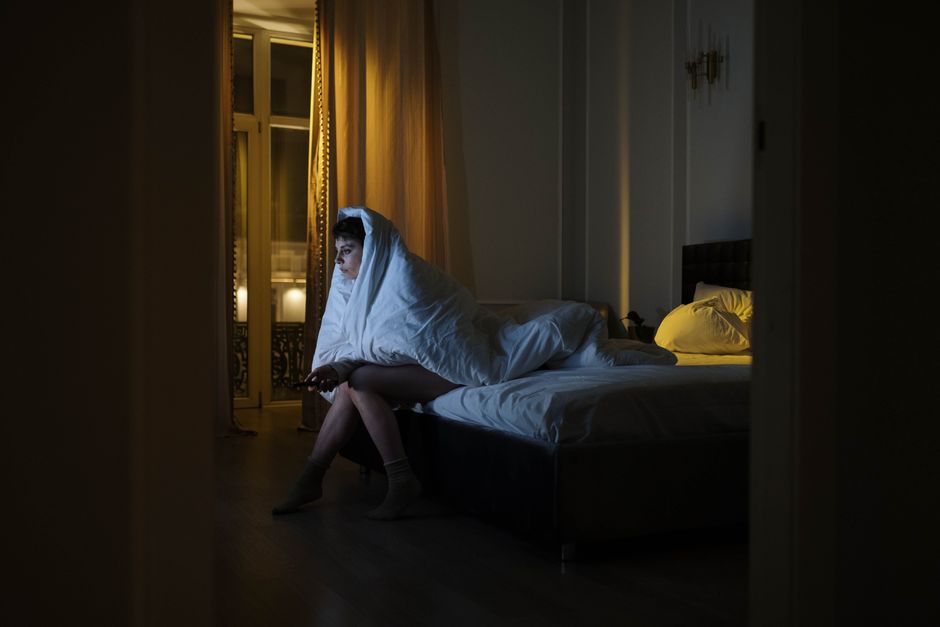
Sleeplessness is a symptom, not a disease. It is the body or brain signaling that something is off — pain, stress, a mood disorder, a breathing problem, a medication effect, or a sleep disorder itself. Doctors call the medical term for trouble falling or staying asleep insomnia, and when it happens because of another condition, it is called secondary insomnia.
That distinction matters. If you treat the sleeplessness alone and ignore what is causing it, the sleep often stays broken. The sections below explain the most common causes, how to tell them apart, and when poor sleep deserves a medical visit.
What Is Sleeplessness a Symptom Of?
Sleeplessness most often points to one of five broad categories: a mental health condition, a physical illness or pain, a substance or medication, a primary sleep disorder, or a life circumstance such as shift work or a stressful event. Many people have more than one at once.
Depression and anxiety are the most common psychological causes. Chronic pain, heart failure, thyroid problems, and breathing disorders are frequent physical ones. Caffeine, alcohol, and some prescription drugs can fragment sleep even when a person feels tired.
Sometimes there is no underlying illness at all. Short-term sleeplessness after a job loss, a move, or a hospital stay is a normal stress response and usually settles on its own.
How Do Mental Health Conditions Cause Sleeplessness?
Depression and anxiety are strongly linked to poor sleep, and the relationship runs in both directions. Sleeplessness is one of the core symptoms clinicians look for when diagnosing depression, alongside low mood, loss of interest, and fatigue.
Anxiety keeps the nervous system in a heightened state. The body stays ready to react, heart rate and muscle tension stay slightly elevated, and the brain struggles to shift into sleep. Racing thoughts at bedtime are a common sign.
Depression is more often linked to early-morning waking — falling asleep fine but waking hours before the alarm and being unable to drift back. That pattern is not universal, but clinicians treat it as a meaningful clue.
Post-traumatic stress disorder, bipolar disorder, and panic disorder are also associated with disturbed sleep. If sleeplessness comes with persistent low mood, hopelessness, or thoughts of self-harm, that warrants urgent professional support. In the US, the 988 Suicide and Crisis Lifeline is available by call or text.
What Physical Health Problems Disrupt Sleep?
Pain is the most direct physical cause. Arthritis, back problems, and nerve pain make it hard to find a comfortable position and cause frequent awakenings.
Several other conditions interfere with sleep through less obvious routes:
- Sleep apnea — breathing repeatedly stops and restarts during sleep, fragmenting rest without the person remembering waking.
- Heart failure — fluid buildup and breathlessness when lying flat can force a person upright to breathe.
- Acid reflux — stomach contents rise into the esophagus when lying down, causing burning and coughing.
- Thyroid disease — an overactive thyroid can cause palpitations and restlessness that interfere with sleep.
- Restless legs syndrome — an uncomfortable urge to move the legs, usually worse in the evening.
- Menopause — hot flashes and night sweats commonly disrupt sleep during the transition.
Frequent urination at night, from diabetes, prostate problems, or certain medications, is another common and often overlooked cause.
Can Medications and Substances Cause Sleeplessness?
Yes. Many common medications list insomnia as a known side effect, and both caffeine and alcohol reliably disturb sleep.
Caffeine blocks adenosine, a chemical that builds up during the day and creates sleep pressure. Caffeine has a long half-life — roughly five hours on average in healthy adults, though it varies widely between people — so an afternoon coffee can still be active at bedtime.
Alcohol is a common trap. It can make a person fall asleep faster, but as the body metabolizes it, sleep becomes lighter and more fragmented, and early-morning waking is common. This is one of the most misunderstood points about alcohol and sleep: the sedative effect is real, but the quality of sleep it produces is not.
Medications that can interfere with sleep include some antidepressants, steroids, decongestants, beta blockers, and thyroid medicines. Never stop a prescribed medication on your own. If you suspect a drug is affecting your sleep, raise it with your prescriber.
When Is Sleeplessness a Sleep Disorder Itself?
Sometimes sleeplessness is not a symptom of another condition but the primary problem. This is called insomnia disorder, and it is diagnosed when sleep difficulty occurs despite adequate opportunity to sleep, causes daytime problems, and persists over time.
Clinicians generally look for trouble falling asleep, staying asleep, or waking too early on several nights a week, with clear daytime effects such as fatigue, poor concentration, or irritability. Short bouts are common. When it continues for weeks or months, it is usually described as chronic.
Insomnia disorder can also become self-sustaining. Worry about not sleeping creates arousal, which makes sleep harder, which increases the worry. Breaking that loop is often the focus of treatment.
How Do Doctors Tell What Is Causing Sleeplessness?
There is no single test for sleeplessness. A clinician works backward from the pattern and history to identify the likely cause.
The evaluation usually starts with a detailed sleep history: when sleep begins, how often you wake, what time you wake, how you feel during the day, and what you have tried. A sleep diary kept for a couple of weeks often reveals patterns that are hard to recall.
Questions about mood, stress, caffeine and alcohol use, medications, and medical conditions help narrow the field. A physical exam and, when indicated, blood tests can rule out thyroid problems, anemia, or other contributors.
A sleep study is not routine. It is typically ordered when sleep apnea, restless legs syndrome, or another primary sleep disorder is suspected — for example, when a bed partner reports loud snoring or pauses in breathing.
What Helps When Sleeplessness Has an Underlying Cause?
The first step is addressing the cause. Treating pain, depression, reflux, or sleep apnea often improves sleep more than any sleep-specific remedy.
For chronic insomnia, cognitive behavioral therapy for insomnia — known as CBT-I — is widely regarded as the first-line treatment. It works on the thoughts and behaviors that keep insomnia going, and it is supported by a substantial body of clinical research. It is not the same as general sleep hygiene advice, which alone is usually not enough for chronic insomnia.
Sleep hygiene still matters as a foundation:
- Keep a consistent wake time, even after a poor night.
- Get out of bed if you are awake and frustrated, and return when sleepy.
- Limit caffeine in the afternoon and evening.
- Keep the bedroom dark, quiet, and cool.
- Get regular daytime activity.
Sleeping pills can help in some short-term situations, but many carry risks of dependence, daytime drowsiness, and falls, particularly in older adults. Whether medication is appropriate is a decision for a clinician who knows your full history.
See a doctor if sleeplessness lasts more than a few weeks, affects your daytime function, or comes with loud snoring, gasping during sleep, or low mood. Those signs point to causes that benefit from proper evaluation.
Frequently Asked Questions
What is sleeplessness a symptom of?
Sleeplessness is most often a symptom of depression, anxiety, chronic pain, a breathing disorder like sleep apnea, or a medication side effect. It can also be a sleep disorder in its own right, called insomnia disorder.
Can stress cause sleeplessness?
Yes, stress is one of the most common causes of short-term sleeplessness. It usually eases once the stressful situation passes, but ongoing stress can lead to longer-lasting sleep problems.
When should I see a doctor about sleeplessness?
See a doctor if poor sleep lasts more than a few weeks, affects your daytime function, or comes with loud snoring, gasping during sleep, or low mood. These signs suggest a cause that deserves proper evaluation.
Does alcohol help you sleep?
Alcohol can make you fall asleep faster, but it fragments sleep later in the night and reduces sleep quality. It is not a reliable or safe treatment for sleeplessness.
