
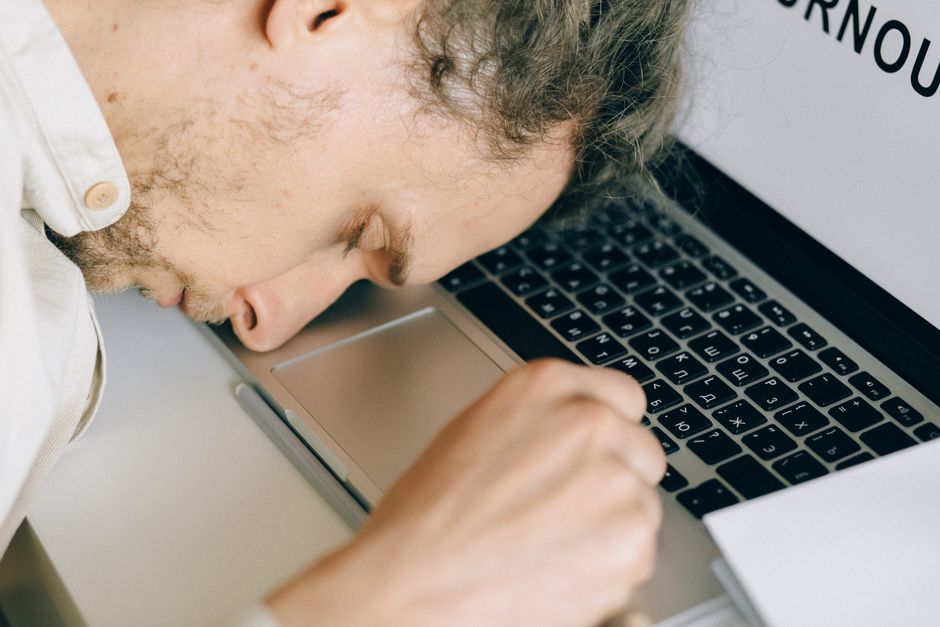
Sleep deprivation happens when you do not get enough sleep to meet your body’s needs. Most adults need seven or more hours of sleep per night, according to the American Academy of Sleep Medicine and the Sleep Research Society. When you consistently fall short of that, the effects build up over time and touch nearly every system in your body.
It is not just about feeling tired. Sleep loss changes how your brain works, how your immune system responds, and how your body manages blood sugar and stress hormones. Understanding what sleep deprivation actually does — and what it does not do — helps you make better decisions about your health.
What Is Sleep Deprivation?
Sleep deprivation is the condition that results from not getting enough sleep. The term covers a wide range of situations, from one bad night before a big meeting to months of sleeping five hours because of a new baby or a demanding job.
Doctors and researchers generally separate it into two patterns. Acute sleep deprivation is short-term — a night or a few nights of poor sleep. Chronic sleep deprivation is ongoing, lasting weeks or longer. The distinction matters because the health effects differ. A single rough night leaves you groggy and slower to react. Weeks of short sleep can affect metabolism, mood, and immune function in ways that are harder to reverse quickly.
Sleep deprivation is different from insomnia, though the two often overlap. Insomnia is a clinical sleep disorder defined by trouble falling asleep or staying asleep despite having the chance to sleep. Sleep deprivation can happen to anyone who simply does not set aside enough time for sleep — no disorder required.
How Much Sleep Do You Actually Need?
Sleep needs change with age. The recommendations below come from the American Academy of Sleep Medicine and the Sleep Research Society, which reviewed the available evidence and published age-based guidance.
- Teenagers (14–17): 8 to 10 hours
- Adults (18–64): 7 or more hours
- Older adults (65+): 7 to 8 hours
These are general targets, not rigid rules. Some people genuinely function well on slightly less. Others need more. The key word is “regularly” — an occasional short night is not the same as consistently sleeping six hours when your body needs seven or eight.
One common misunderstanding: your body does not fully adapt to less sleep. You may feel less sleepy after a few days of short sleep, but that feeling does not mean your brain is performing normally. Research using objective measures like reaction-time tests has found that people who are sleep-deprived often rate their own alertness higher than their test performance warrants. In other words, you can feel fine and still be impaired.
What Happens in Your Body When You Do Not Sleep Enough?
Sleep is not a passive state. During sleep, your brain consolidates memories, clears metabolic waste, and regulates hormones. Your body repairs tissue, balances blood sugar, and fine-tunes the immune system. When sleep is cut short, these processes get less time to work.
The effects show up across several systems:
- Brain function: Attention, reaction time, and decision-making all decline. The effect on reaction time has been compared to the impairment seen with alcohol consumption, though the exact equivalence varies by study and by how much sleep was lost.
- Mood: Irritability and emotional reactivity increase. Ongoing sleep loss is strongly linked to depression and anxiety, though the relationship runs both ways — poor sleep can worsen mood, and mood disorders can disrupt sleep.
- Metabolism: Sleep loss affects the hormones that regulate appetite, including ghrelin and leptin. It also reduces insulin sensitivity, which is how well your cells respond to insulin. Over time, this may contribute to weight gain and higher risk of type 2 diabetes.
- Immune system: Studies have found that people who sleep less than seven hours are more likely to catch a cold after exposure to a cold virus. Sleep supports the immune response, including how well vaccines work.
- Cardiovascular system: Chronic short sleep is associated with higher blood pressure and increased risk of heart disease. The relationship is well documented, though the precise mechanisms are still being studied.
These effects tend to compound. One area of sleep loss can feed into another — poor mood makes it harder to sleep, which worsens metabolic function, which adds stress, and so on.





What Are the Signs You Are Sleep Deprived?
The most obvious sign is feeling tired during the day. But sleep deprivation shows up in ways people often do not connect to sleep.
- Falling asleep within minutes of lying down or sitting still
- Difficulty concentrating or remembering things
- Irritability or a short fuse
- Slow reaction times while driving
- Frequent yawning or heavy eyelids
- Increased appetite, especially for high-calorie foods
- Getting sick more often than usual
One sign that surprises people: needing caffeine to get through the day is not a normal baseline. It may mean you are not getting enough sleep. Similarly, “sleeping in” on weekends by several hours is a common pattern among people who are chronically sleep-deprived during the week.
If you are unsure whether you are getting enough sleep, a simple check is whether you can wake up without an alarm and feel rested most days. If the answer is no for weeks on end, that is worth paying attention to.
What Causes Sleep Deprivation?
The causes fall into a few broad groups. Sometimes it is a choice — staying up late to finish work or watch one more episode. Sometimes it is a circumstance you cannot control, like caring for a newborn or working night shifts. And sometimes it is a medical condition.
Common contributors include:
- Lifestyle factors: Irregular sleep schedules, long work hours, shift work, and screen use late at night
- Sleep disorders: Insomnia, sleep apnea, and restless legs syndrome all interfere with sleep quality or duration
- Medical conditions: Chronic pain, acid reflux, asthma, and thyroid problems can disrupt sleep
- Mental health conditions: Depression and anxiety are strongly linked to sleep problems
- Medications: Some prescription drugs, including certain antidepressants and steroids, can interfere with sleep
- Life stages: Pregnancy, early parenthood, and aging all change sleep patterns
Shift work deserves special mention. People who work nights or rotating shifts often fight their own biology. The body’s internal clock, called the circadian rhythm, is set to promote sleep at night and alertness during the day. Working against that rhythm makes it hard to get enough quality sleep even when the hours are available.
How Is Sleep Deprivation Treated?
Treatment depends on the cause. For most people dealing with short-term sleep loss, the fix is straightforward: make sleep a priority and give yourself enough time in bed. That sounds simple, but it often requires real changes — going to bed earlier, cutting back on late caffeine or alcohol, and keeping a consistent schedule.
When a sleep disorder is involved, treatment is more specific. Cognitive behavioral therapy for insomnia, known as CBT-I, is considered the first-line treatment for chronic insomnia by major medical organizations. It works by changing the thoughts and behaviors that keep insomnia going. For sleep apnea, treatment usually involves a CPAP machine or other devices that keep the airway open during sleep.
Some clinicians recommend short naps to help manage daytime sleepiness from sleep loss. Naps can help with alertness in the short term, though they are not a substitute for adequate nighttime sleep. For people with insomnia, napping can sometimes make nighttime sleep harder.
What about catch-up sleep? Sleeping extra on days off can reduce some of the effects of short-term sleep loss. But research suggests it does not fully reverse the metabolic and cognitive effects of ongoing sleep restriction. The evidence here is mixed, and catch-up sleep is not a reliable long-term strategy.
If you have been sleeping poorly for more than a few weeks, or if daytime sleepiness is affecting your safety or your ability to function, talk to a doctor. Sleep problems are common and treatable, and a clinician can help identify whether an underlying condition is at play.
When Should You See a Doctor?
Occasional poor sleep is normal. But some signs suggest it is time to get professional input.
- You have trouble sleeping most nights for more than a few weeks
- You feel extremely sleepy during the day despite spending enough time in bed
- You snore heavily or stop breathing during sleep (a possible sign of sleep apnea)
- You fall asleep while driving or during conversations
- Sleep problems are affecting your mood, work, or relationships
Sleep apnea is worth highlighting because it is common and often undiagnosed. It causes brief pauses in breathing during sleep, which fragment sleep and reduce oxygen levels. People with sleep apnea may not realize they have it — a bed partner often notices the snoring or gasping first. Left untreated, it is linked to serious cardiovascular problems.
Mental health and sleep are tightly connected. If you are dealing with persistent low mood, anxiety, or thoughts of self-harm, reach out to a healthcare provider or a crisis line. Sleep problems often improve when the underlying condition is treated, and treating sleep can help mood as well.
Frequently Asked Questions
How many hours of sleep is considered sleep deprivation?
Getting less than seven hours of sleep per night on a regular basis is considered insufficient for most adults, according to the American Academy of Sleep Medicine and the Sleep Research Society. The effects depend on how long the short sleep continues and how your body responds.
Can you catch up on lost sleep?
Sleeping extra after short-term sleep loss can reduce some effects, such as daytime sleepiness. However, research indicates that catch-up sleep does not fully reverse the metabolic and cognitive changes caused by ongoing sleep restriction.
What are the first signs of sleep deprivation?
The earliest signs are usually daytime sleepiness, trouble concentrating, and slower reaction times. Some people also notice irritability, increased appetite, or needing caffeine to stay alert.
Is sleep deprivation the same as insomnia?
No. Sleep deprivation means not getting enough sleep, often because of schedule or circumstance. Insomnia is a clinical disorder defined by difficulty falling or staying asleep despite having the opportunity to sleep.
