
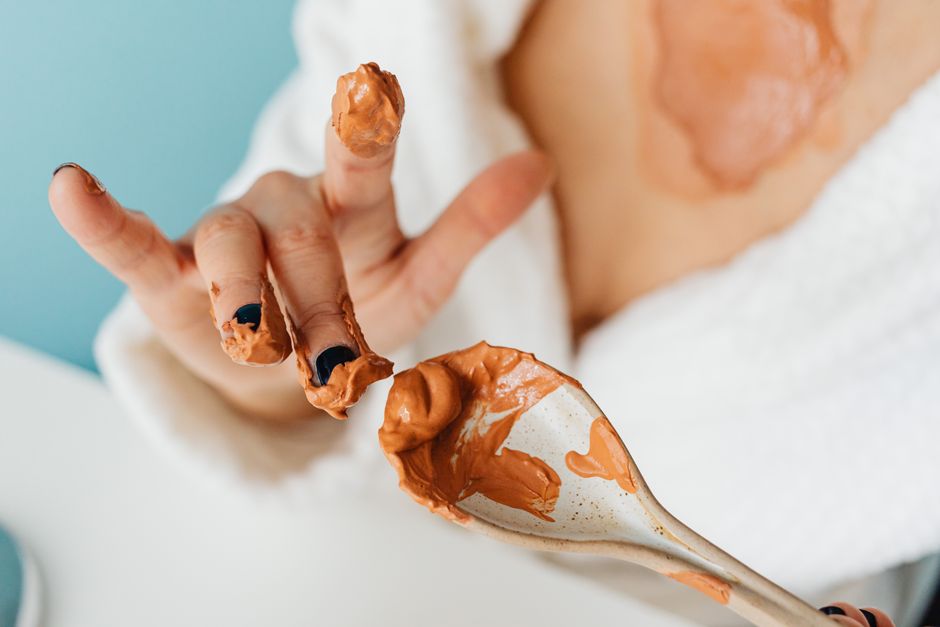
Skin toning is a broad label used for products and treatments that aim to even out skin color and improve the look of pores and texture. The word gets attached to toners, essences, laser sessions, and even makeup. Whether you need any of it depends entirely on what problem you are trying to solve. For most people, a basic routine with sunscreen and a few proven ingredients does more than any product marketed as a “toning” step.
What Is Skin Toning And Do You Actually Need It?
Skin toning usually refers to reducing uneven color — redness, dark spots, or patchy pigmentation — and refining the visible texture of skin. It is not a medical term with a fixed definition. That is the first thing to understand, because the word means different things depending on who is selling it.
In a skincare routine, a “toner” is a liquid applied after cleansing. In a dermatology clinic, “toning” often means a light or laser treatment. In cosmetics, it can mean a tinted product that temporarily evens appearance. These are not the same thing, and they do not produce the same results.
Do you need it? If your skin is comfortable and your main concern is general maintenance, no. If you have specific uneven pigmentation or texture you want to address, some approaches have real evidence behind them and some do not. The rest of this article separates those.
What Do Facial Toners Actually Do?
Modern toners are mostly watery liquids with humectants, soothing agents, or mild exfoliants. Their main measurable effect is temporary hydration of the outer skin layer. That can make skin feel softer and look slightly plumper for a while.
Older toners from decades past often contained high amounts of alcohol and were used to strip oil after cleansing. That approach is largely gone. If a product stings or leaves skin tight and dry, it is not doing your skin a favor regardless of what the label says.
What toners generally do not do is permanently change skin color or pore size. Pores do not open and close like doors. Their visible size is largely determined by genetics, oil production, and skin elasticity. A toner can temporarily make the surface look smoother, but no topical product shrinks the actual pore structure.
Some toners contain ingredients with better evidence behind them — niacinamide, for example, has been studied for its effect on uneven pigmentation and skin barrier support. When those ingredients appear in a toner, the toner is essentially a delivery vehicle. You could get the same ingredient from a serum. The step itself is optional.
Which Ingredients Have Real Evidence For Evening Skin Tone?
A small number of topical ingredients have meaningful human research behind them for uneven pigmentation and texture. Others are mostly marketing.
- Sunscreen. This is the foundation. Ultraviolet light drives most dark spots and much of the visible aging of skin. Without daily sun protection, other tone-evening ingredients are working against a constant headwind.
- Niacinamide. Some studies suggest it can reduce the appearance of dark spots and support the skin barrier. Evidence is reasonable but not overwhelming.
- Vitamin C. Studied for antioxidant effects and pigmentation. Formulations vary widely, and stability is a real issue — an oxidized, brownish serum is not doing much.
- Retinoids. Well established for texture and fine lines. They can also help with some forms of pigmentation, though they can cause irritation and initial flaking.
- Hydroquinone. A prescription-strength pigment treatment in the US. Effective, but it requires medical supervision because of side effects with long-term use.
Ingredients like “brightening botanicals” or “illuminating complexes” often have little to no published human data. That does not make them harmful. It means the claim is not backed by much.
Do Laser And Light Treatments Work Better Than Products?
For stubborn pigmentation, in-office treatments can produce results that topicals struggle to match. Lasers, intense pulsed light, and chemical peels are used clinically for uneven tone and texture. The evidence for these is stronger than for most cosmetic products, but they carry real risks.
Possible side effects include burns, scarring, and paradoxical darkening of the skin — especially in people with deeper skin tones if the wrong device or settings are used. Results vary by skin type, the specific concern, and the skill of the practitioner. This is not a category where you should shop on price alone.
Treatments also require maintenance. Pigmentation tends to return without ongoing sun protection, because the underlying trigger — ultraviolet exposure — does not go away. Anyone promising a permanent fix is overselling.
Is Uneven Skin Tone A Health Issue Or A Cosmetic One?
Most uneven skin tone is cosmetic and harmless. Sun spots, mild redness, and post-acne marks fall into this category. They are not dangerous, and treating them is a personal choice.
Some changes in skin color do warrant a medical look. A spot that is new, changing, or asymmetric, or one that bleeds or does not heal, should be checked by a clinician. The same goes for widespread darkening, sudden redness with swelling, or color changes accompanied by pain. These can signal conditions that need diagnosis, and self-treating with cosmetic products can delay that.
This is where the marketing language gets slippery. “Toning” products are not designed to diagnose anything. If a change in your skin concerns you, a product is the wrong first step.
What Does A Realistic Routine Look Like?
If you want to even out skin tone, the evidence supports a simple approach over a complicated one. Daily sunscreen is the single most important step. A gentle cleanser and a moisturizer keep the skin barrier intact. From there, one or two evidence-backed active ingredients — used consistently — do more than a shelf full of products.
Consistency matters more than the number of steps. Skin cell turnover takes weeks, so any real change from topicals takes time. Expect to judge a product over months, not days. If a product causes irritation, stop it. Irritation itself can worsen pigmentation in some people.
A toner is fine if you enjoy using one and your skin tolerates it. It is not necessary, and skipping it will not harm your skin. That is the honest position.
Frequently Asked Questions
Do I need a toner in my skincare routine?
No, a toner is optional for most people. A routine built on sunscreen, a gentle cleanser, and a moisturizer covers the basics without one.
Can toners shrink my pores?
No, toners cannot change the actual size of your pores. They may temporarily make skin look smoother, but pore size is largely set by genetics and oil production.
How long does it take to see results from tone-evening products?
Topical products typically need weeks to months of consistent use before any change is visible. Results vary by ingredient and by person, and no product works for everyone.
Are laser treatments for skin tone safe?
Laser and light treatments can be effective but carry real risks, including burns and scarring. Safety depends heavily on the device, the settings, and the skill of the practitioner.
