
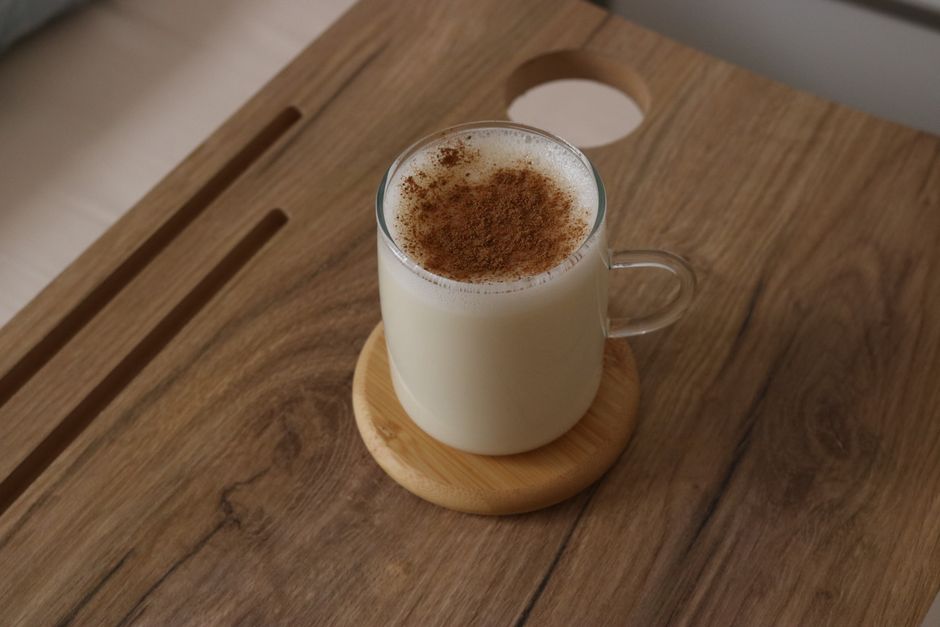
Skimmed milk powder is milk with nearly all the water and fat removed. What’s left is a fine powder that is high in protein and calcium, low in fat, and shelf-stable for a long time when stored properly. It’s used in baking, smoothies, emergency food supplies, and commercial food production, and unopened cans typically keep for 6 to 12 months past a printed date under good storage conditions.
What Is Skimmed Milk Powder Nutrition Uses Shelf Life?
Skimmed milk powder — also called nonfat dry milk — is made by pasteurizing fresh milk, separating out the cream, and then evaporating the water until only a powder remains. The result is a concentrated source of milk protein and minerals without the fat.
The process is straightforward. Milk is heated to remove water, usually through spray drying, which turns the liquid into fine particles. Because the fat is gone, the powder resists rancidity far better than whole milk powder. That is the core reason it lasts so long on a shelf.
Nutritionally, the powder keeps most of milk’s protein, calcium, and B vitamins. What it loses is fat and the fat-soluble vitamins that ride along with it — mainly vitamins A and D. Most commercial skimmed milk powders are fortified to replace those vitamins, but you should check the label rather than assume.
What nutrients does skimmed milk powder actually contain?
Per 100 grams of powder, you get a concentrated dose of what milk offers. The exact numbers vary by brand and fortification, but the general profile is consistent. According to USDA nutritional data, nonfat dry milk provides roughly 36 grams of protein, about 1,250 milligrams of calcium, and around 50 grams of carbohydrate (mostly lactose) per 100 grams.
Fat content is typically under 1 gram per 100 grams. Calories run around 360 per 100 grams of powder. That sounds high until you remember you rarely eat 100 grams at once — a typical serving is a few tablespoons reconstituted with water.
One point worth clarifying: the powder is not a “diet food” in itself. It is simply concentrated milk solids. Its calorie density is high because the water is gone. Once you mix it back with water, you have something close to skim milk.
| Nutrient (per 100 g powder) | Approximate amount |
|---|---|
| Protein | ~36 g |
| Carbohydrate | ~50 g (mostly lactose) |
| Fat | <1 g |
| Calcium | ~1,250 mg |
| Calories | ~360 kcal |
These figures come from standard USDA composition data and are approximate. Fortified brands will show added vitamins A and D on the label.
Is skimmed milk powder as nutritious as fresh milk?
For protein and calcium, it is close. Reconstituted skimmed milk powder delivers a similar amount of protein and minerals as fresh skim milk. The main differences are in vitamins and taste.
The drying process degrades some heat-sensitive vitamins, particularly vitamin C and some B vitamins, though milk was never a major vitamin C source to begin with. Fat-soluble vitamins A and D are largely removed with the fat, which is why fortification matters. If a brand is fortified, the reconstituted product is nutritionally comparable to fresh skim milk for most purposes.
What you lose is freshness and mouthfeel. Reconstituted powder tastes different — flatter, sometimes slightly cooked. That is a sensory difference, not a nutritional one. For drinking straight, many people notice it. For cooking and baking, it’s usually undetectable.
One honest caveat: the evidence comparing long-term health outcomes of powder versus fresh milk is thin. Nutritionally they are close, but no large trials have tracked health effects of one over the other. The comparison rests on composition, not outcome studies.
What are the main uses of skimmed milk powder?
Skimmed milk powder shows up in more places than most people realize. Its long shelf life and concentrated protein make it useful in both home kitchens and food manufacturing.
At home, the most common uses are:
- Baking — adds structure and browning, and improves texture in breads and baked goods
- Smoothies and protein shakes — a cheap way to boost protein
- Reconstituted as a milk substitute for cooking and cereal
- Emergency food storage — it keeps far longer than liquid milk
- Homemade yogurt — some people use it to increase protein content
Commercially, it’s used in chocolate, ice cream, processed meats, infant formula (as an ingredient, not a substitute for breast milk or formula), and many packaged foods as a cheap protein and solids source.
For anyone watching protein intake, it’s a practical ingredient. A few tablespoons stirred into oatmeal or a smoothie adds protein and calcium without much fat. That said, it is not a meal replacement and shouldn’t be treated as one.
How long does skimmed milk powder last, and how should it be stored?
Unopened skimmed milk powder generally keeps for 6 to 12 months past its printed date when stored cool and dry. Some manufacturers state longer, but that range reflects typical real-world storage.
Storage matters more than the printed date. The enemies of powdered milk are moisture, heat, and air. Once a can or bag is opened, the clock speeds up considerably. Opened powder is best used within a few months, and some guidance suggests using it within a few weeks to a couple of months for best quality.
Practical storage rules:
- Keep it in an airtight container once opened
- Store in a cool, dry place away from the stove or sunlight
- Keep the scoop dry — moisture is what ruins it
- Refrigeration can help extend life in humid climates, as long as the container is truly sealed
Signs it has gone bad include clumping that won’t break up, a yellow or brown tint, and an off or stale smell. Powder that smells sour or looks discolored should be thrown out. Unlike fresh milk, you won’t get a clear “spoiled” signal from the powder itself, so rely on appearance and smell.
Who should be cautious with skimmed milk powder?
Anyone with a milk allergy or lactose intolerance should treat it exactly as they would fresh milk. It contains milk protein and lactose. The powder form doesn’t remove either.
People with lactose intolerance may tolerate small amounts in baked goods better than a glass of reconstituted milk, but that varies by person. Milk allergy is different and more serious — it involves the immune system and requires avoiding milk protein entirely.
For most healthy adults, skimmed milk powder is a safe, ordinary food. The bigger consideration is how it fits into your overall diet. Because it is concentrated, it’s easy to add more calories and protein than you intend if you use it liberally.
One area of genuine uncertainty: there’s no strong evidence that powdered milk is better or worse than fresh milk for long-term health. Claims that it’s a “superfood” or that it’s somehow inferior are both overstated. It’s milk with the water and fat taken out.
Does skimmed milk powder have any downsides?
The main downsides are taste, texture, and the loss of fat-soluble vitamins unless fortified. Reconstituted powder can taste flat or slightly cooked, and it doesn’t froth or behave exactly like fresh milk in every recipe.
There’s also a common concern about oxidized cholesterol in dried dairy products. Some research has looked at whether drying milk creates oxidized cholesterol compounds, but the evidence on whether this matters for human health is limited and not settled. It’s a reasonable thing to be aware of, not a reason for alarm based on current evidence.
The practical takeaway is simple. Skimmed milk powder is a convenient, long-lasting source of milk protein and calcium. It is not a magic ingredient, and it is not inferior to fresh milk in any proven way. Use it for what it’s good at — baking, smoothies, and shelf-stable storage — and check the label for fortification.
Frequently Asked Questions
Is skimmed milk powder the same as regular milk powder?
No, skimmed milk powder has had nearly all the fat removed, while regular (whole) milk powder retains it. Skimmed powder lasts longer because fat is what turns rancid.
Can you drink skimmed milk powder mixed with water?
Yes, it can be reconstituted with water and drunk, though the taste is flatter than fresh milk. Follow the ratio on the package for the right consistency.
Does skimmed milk powder go bad?
Yes, it can spoil, especially after opening, when moisture and heat get in. Clumping, discoloration, and an off smell are signs to discard it.
Is skimmed milk powder good for you?
It is a good source of protein and calcium and is low in fat, making it a reasonable ingredient for many diets. People with milk allergy or lactose intolerance should avoid it just as they would fresh milk.
