
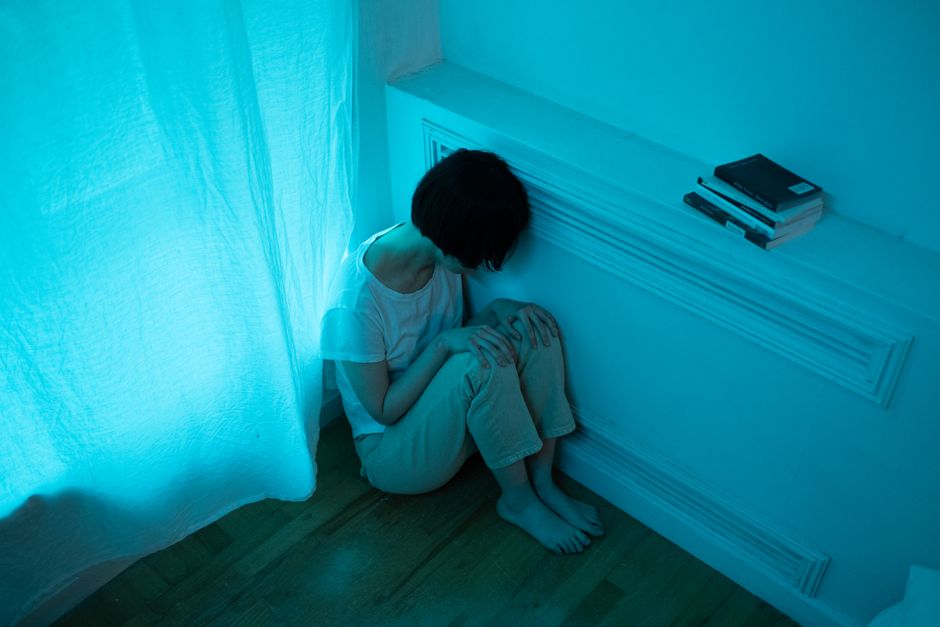
Silent depression is depression that does not look like depression. The person may still go to work, care for family, and smile in photos. What sets it apart is not the absence of pain but the absence of visible signs. That gap between how someone feels inside and how they appear to others is why it so often goes unnoticed — by friends, by family, and sometimes by the person experiencing it.
What Is Silent Depression And Why It Goes Unnoticed?
Depression is a clinical condition, not a mood. It is diagnosed when specific symptoms last at least two weeks and cause real distress or difficulty functioning. The word “silent” describes how it presents, not a separate diagnosis. There is no formal medical category called silent depression.
What people mean by the term is depression that hides. The person keeps functioning. They may not cry in front of others. They may not withdraw from every social event. They might even seem cheerful.
This is where the misunderstanding lives. Many people picture depression as sadness you can see. In reality, one of the most common symptoms is not sadness at all. It is a loss of interest or pleasure in things that used to matter. A person can lose that spark and still show up to every obligation on their calendar.
Depression also varies widely in how it looks. Some people sleep too much. Some eat too little. Some feel irritable rather than sad. When the outward picture does not match the cultural image of depression, the people around them may not recognize what is happening.
Why Do Some People Hide Their Depression?
Hiding depression is often a learned response, not a choice. Several forces push people toward it.
- Stigma. Some people fear being seen as weak, broken, or attention-seeking.
- Role pressure. Parents, caregivers, and high performers often feel they cannot afford to fall apart.
- Self-perception. A person may not believe they “deserve” to feel this way, or may not recognize their symptoms as depression at all.
- Practical fear. Some worry about job consequences, custody issues, or how a diagnosis might be recorded.
The result is a kind of performance. The person manages the surface while the inside stays heavy. Over time, this effort itself becomes exhausting.
What Are The Signs Of Silent Depression?
The signs are often behavioral rather than emotional. That is part of why they slip past people.
Someone with silent depression may:
- Withdraw in small ways — declining invitations, going quiet in group settings, or leaving early.
- Lose interest in hobbies, music, or activities they once loved.
- Show changes in sleep, appetite, or energy that they explain away as stress or aging.
- Seem irritable, restless, or easily frustrated instead of sad.
- Struggle with focus, memory, or decisions.
- Keep a full schedule but feel empty during it.
- Make self-critical comments that sound like humor.
- Rely more on alcohol or other substances to get through the day.
One of the most telling signs is a mismatch. The person says they are fine, and they may genuinely want to be. But the patterns around them tell a different story.
It helps to know that depression can also show up as physical complaints — headaches, back pain, digestive problems, or persistent fatigue — with no clear medical cause. Some people seek help for these symptoms without ever mentioning mood.





How Is Depression Actually Diagnosed?
Depression is diagnosed through a clinical conversation, not a blood test. There is no lab marker that confirms it. A doctor or mental health professional asks about mood, sleep, appetite, energy, concentration, and thoughts of death or self-harm, and how long these have lasted.
For a major depressive episode, the standard criteria require at least five symptoms present for at least two weeks, with at least one being either depressed mood or loss of interest or pleasure. The symptoms must cause significant distress or problems functioning.
This matters for silent depression. A person can meet these criteria while looking composed. The diagnosis rests on what the person reports and what a clinician observes over time — not on how they appear in a single conversation.
Because of this, depression is frequently missed. Some people minimize their symptoms. Some describe them as stress. Some do not connect physical complaints to mood. A clinician who only sees a polished surface may not ask the right questions.
Is Silent Depression Different From High-Functioning Depression?
The two terms overlap and are often used interchangeably. Neither is an official diagnosis.
“High-functioning depression” usually describes someone who meets criteria for depression but continues to manage work, relationships, and daily responsibilities. “Silent depression” emphasizes the invisibility — the gap between inner experience and outer appearance.
In practice, the same person may fit both descriptions. The distinction is more about language than about biology. The important point is that functioning well does not mean someone is not struggling. A person can hold a job, raise children, and still be living with a serious illness.
Why Does It Matter If It Goes Unnoticed?
Untreated depression tends to persist or worsen. It can affect sleep, appetite, concentration, and physical health. It raises the risk of substance use as a coping method. And it is a leading risk factor for suicide.
That last point deserves care. Most people with depression do not attempt suicide, and depression alone does not predict it. But depression is one of the strongest known risk factors, and warning signs should never be dismissed. If you or someone you know is thinking about suicide, contact the 988 Suicide and Crisis Lifeline by calling or texting 988 in the US. This is a free, confidential service available 24 hours a day.
There is also a quieter cost. Years can pass in which a person feels like a version of themselves rather than themselves. Treatment can change that trajectory, but only if the problem is recognized.
What Helps When Someone Is Struggling Quietly?
Depression is treatable. That is well established. What works varies from person to person.
Established options include talk therapies such as cognitive behavioral therapy and interpersonal therapy, and antidepressant medications. For some people, a combination works better than either alone. For others, one approach is enough. A clinician can help weigh the options based on symptoms, history, and preferences.
If you think you may be living with silent depression, a few practical steps can help:
- Talk to a doctor or mental health professional. Describe what you have noticed, even if it feels minor.
- Be specific. Mention changes in sleep, appetite, energy, and interest — not just mood.
- Track patterns for a week or two. Notes can reveal what memory smooths over.
- Tell one person you trust. Secrecy often deepens isolation.
- Limit alcohol. It can worsen depression and interfere with sleep.
If you are worried about someone else, the approach matters. Instead of asking “Are you okay?” — which invites a quick “yes” — try describing what you have observed. “You have seemed tired lately, and I have noticed you are not doing the things you used to enjoy.” Then listen. Do not rush to fix or reassure. Being heard is often the first step toward getting help.
One clarification worth holding onto: needing help is not a sign of weakness. Depression is a medical condition with biological, psychological, and social components. Seeking treatment is no different from seeking treatment for any other illness.
Frequently Asked Questions
Is silent depression a real diagnosis?
No, silent depression is not an official medical diagnosis. It is a descriptive term for depression that does not show obvious outward signs.
Can someone have depression and not feel sad?
Yes, depression does not always involve sadness. Loss of interest or pleasure, irritability, fatigue, and changes in sleep or appetite are also common symptoms.
How long do symptoms need to last to be depression?
For a major depressive episode, symptoms must be present for at least two weeks and cause distress or difficulty functioning. A clinician makes that determination based on a full evaluation.
What should I do if I think I have silent depression?
Talk to a doctor or mental health professional and describe the specific changes you have noticed, not just your mood. If you have thoughts of suicide, call or text 988 in the US right away.
