
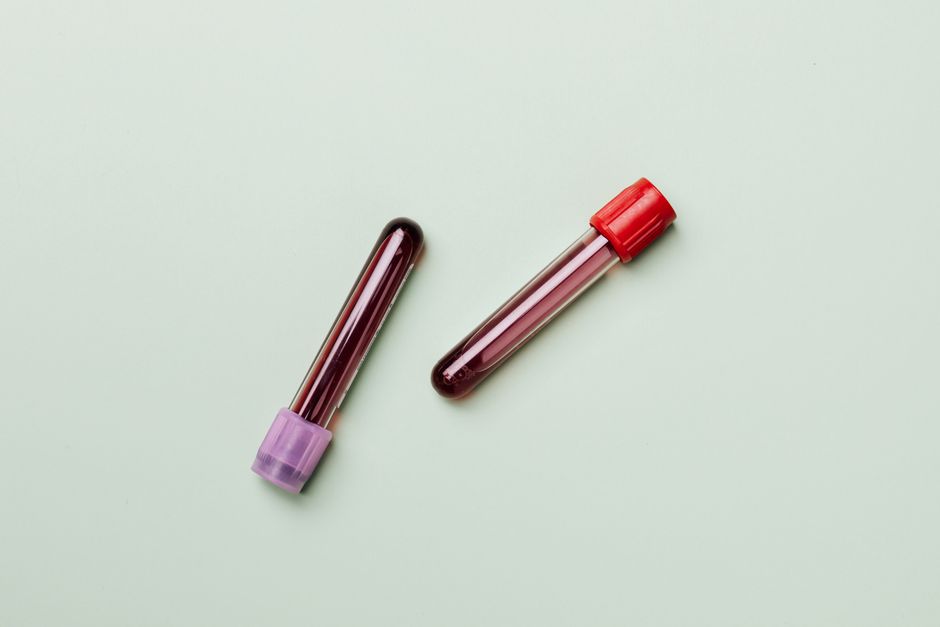
“Serum” is one of those words that means different things depending on who is saying it. In a hospital lab, it refers to the clear liquid left after blood clots. In a skincare aisle, it means a lightweight product packed with a high concentration of an active ingredient. Same word, two very different contexts. Knowing which one you are dealing with matters, because the medical meaning carries real diagnostic weight and the skincare meaning carries a lot of marketing noise.
What Is Serum Medical Meaning And Skincare Use?
In medicine, serum is the fluid part of blood that remains after clotting has occurred. Blood is drawn into a tube, left to clot, then spun in a centrifuge. The clot and blood cells settle at the bottom, and the straw-colored liquid on top is serum.
Serum is essentially plasma minus clotting factors. Plasma is the liquid portion of blood before clotting, and it still contains fibrinogen and other proteins involved in coagulation. Once blood clots, those factors are consumed, and what is left is serum. That distinction sounds small, but it matters for lab testing.
Serum is the standard sample for a large share of blood tests. Electrolytes, hormones, antibodies, cholesterol panels, and many other measurements are run on serum. Laboratories prefer it because it does not clot during handling and gives a clean, stable sample. The yellow color of serum comes mostly from bilirubin and carotenoids.
In skincare, the word serum has no regulated definition. It generally refers to a product with a thinner texture than a cream and a higher concentration of one or more active ingredients. That is a description of a product category, not a medical classification. No standard requires a skincare serum to contain a specific percentage of anything.
Why Does Blood Clot and Leave Serum Behind?
Clotting is a tightly controlled cascade of proteins that activate one another in sequence. When a blood vessel is injured, platelets gather at the site and a series of clotting factors convert fibrinogen into fibrin. Fibrin forms a mesh that traps red blood cells and seals the wound.
That same process happens in a blood collection tube without any additives. The clot forms, and the remaining liquid is serum. If the tube contains an anticoagulant such as EDTA or heparin, clotting is blocked and the liquid stays as plasma instead.
This is why the choice of tube matters in a clinical lab. Some tests require serum and some require plasma, and the results can differ slightly between the two. Potassium, for example, tends to run higher in serum than in plasma because platelets release potassium during clotting. Laboratories account for these differences with their reference ranges.
One clarification worth making: serum is not “purer” blood or a special health substance. It is simply the non-clotting fraction. Some wellness marketing describes serum as a concentrated source of nutrients or immune factors. That framing does not match how clinicians use the word.
What Does Serum Test For in a Blood Panel?
Serum is the sample type behind many routine and specialized blood tests. When your doctor orders a comprehensive metabolic panel, a lipid panel, thyroid function tests, or most hormone measurements, the lab is typically analyzing serum.
Common serum-based measurements include:
- Electrolytes such as sodium, potassium, and chloride
- Kidney markers including creatinine and blood urea nitrogen
- Liver enzymes and bilirubin
- Cholesterol and triglycerides
- Thyroid hormones and reproductive hormones
- Antibodies used to check immunity or detect infection
Serum is also used in blood typing and cross-matching before transfusions, and in tests that check for antibodies against specific diseases. The common thread is that serum gives a clean liquid sample without cells or clot interfering with the measurement.
Results are always interpreted against reference ranges set by the individual laboratory. A value that looks slightly outside the printed range may still be normal for you depending on your age, sex, medications, and health history. That interpretation is a clinical judgment, not something a printed range can settle on its own.
What Is a Skincare Serum and What Can It Actually Do?
A skincare serum is a topical product with a light texture and a higher concentration of active ingredients than a typical moisturizer. It is applied to the skin, not injected, and it works at the surface or just below it depending on the ingredient and formulation.
The evidence behind common serum ingredients varies widely. Some have solid research support. Others have limited or mixed data. Here is an honest breakdown:
- Niacinamide has reasonably consistent evidence for improving skin barrier function and reducing the appearance of redness and uneven tone in some people.
- Topical vitamin C has evidence for antioxidant protection and some effect on pigmentation, though formulations vary widely and stability is a real issue.
- Hyaluronic acid draws water to the skin surface and can temporarily improve the look of hydration. The effect is short-lived and does not change skin structure.
- Retinol has the strongest evidence base among cosmetic actives for fine lines and texture, though it can cause irritation and sun sensitivity.
- Peptides have some laboratory and small-study support, but large human trials confirming meaningful clinical benefit are limited.
- Stem cell and “growth factor” serums have very little human evidence. Many claims in this category are marketing rather than demonstrated outcomes.
No topical serum has been shown to reverse aging, erase wrinkles permanently, or replace medical treatment for a skin condition. What some can do is improve hydration, support the skin barrier, and modestly reduce the appearance of certain concerns over weeks to months of consistent use.
Does a Skincare Serum Absorb Into Your Bloodstream?
Most cosmetic serums are designed to act on the outer layer of skin, the stratum corneum, and the layers just beneath it. The skin is a barrier, and that barrier is effective. Only small amounts of most ingredients cross into the bloodstream, and the amounts that do are generally very low.
That does not mean skincare ingredients are automatically risk-free. Some can cause irritation, allergic reactions, or photosensitivity. Retinoids, for example, can make skin more sensitive to sun. Anyone who is pregnant or breastfeeding should check with a clinician before using retinoid products, because guidance on topical retinoid use during pregnancy varies and should not be assumed safe.
There is also a real difference between a cosmetic serum and a prescription topical. Prescription retinoids, for instance, are regulated medicines with documented clinical effects and known risks. Over-the-counter serums are cosmetics, and the standards for proving their claims are much lower.
How Do You Read a Serum Label Without Getting Fooled?
Ingredient lists are ordered by concentration, with the largest amounts first. Anything listed after the preservative or fragrance is usually present in very small amounts. A serum that advertises a hero ingredient near the bottom of the list is telling you something.
Watch for a few common patterns:
- Vague phrases like “clinically inspired” or “dermatologist reviewed” carry no defined meaning.
- A percentage on the front of the bottle should match the ingredient list and be verifiable, not just a marketing number.
- Claims about “boosting collagen” from a topical product are usually overstated. Topical ingredients can support the skin’s own processes, but they do not replace collagen lost with age.
- Products that promise results in days are almost always describing temporary hydration or surface smoothing, not structural change.
Patch testing a new serum on a small area for a few days is a reasonable step, especially if you have sensitive skin or a history of reactions. Stop using any product that causes persistent redness, burning, or swelling.
When Does the Word Serum Mean Something Medical?
Context decides. If you see “serum” on a lab report, it describes the sample type used for the test. If you see it on a cosmetic bottle, it describes a product texture and concentration.
There is a third use worth knowing. In some medical contexts, serum refers to a preparation made from blood that contains antibodies, such as convalescent serum used historically to treat certain infections. That is a regulated medical product, not a skincare item, and it is given under clinical supervision.
The main thing to remember is that the two meanings are not connected. A skincare serum has nothing to do with the serum in your blood, and no topical product can substitute for a blood test or a medical treatment.
Frequently Asked Questions
What does serum mean in medical terms?
Serum is the clear liquid part of blood that remains after the blood has clotted and the cells and clotting proteins have been removed. It is the standard sample for many laboratory blood tests.
Is a skincare serum the same as blood serum?
No. A skincare serum is a topical cosmetic product with a light texture and concentrated ingredients. It has no biological connection to the serum in your bloodstream.
Do skincare serums actually work?
It depends entirely on the ingredient. Some, like retinol and niacinamide, have reasonable evidence for modest cosmetic benefits, while others, including many stem cell and growth factor products, have very little human evidence behind their claims.
Can serum products be absorbed into the bloodstream?
Only very small amounts of most topical ingredients cross the skin barrier into the bloodstream. That does not make every ingredient risk-free, so anyone pregnant, breastfeeding, or with sensitive skin should check with a clinician before using actives like retinoids.
