
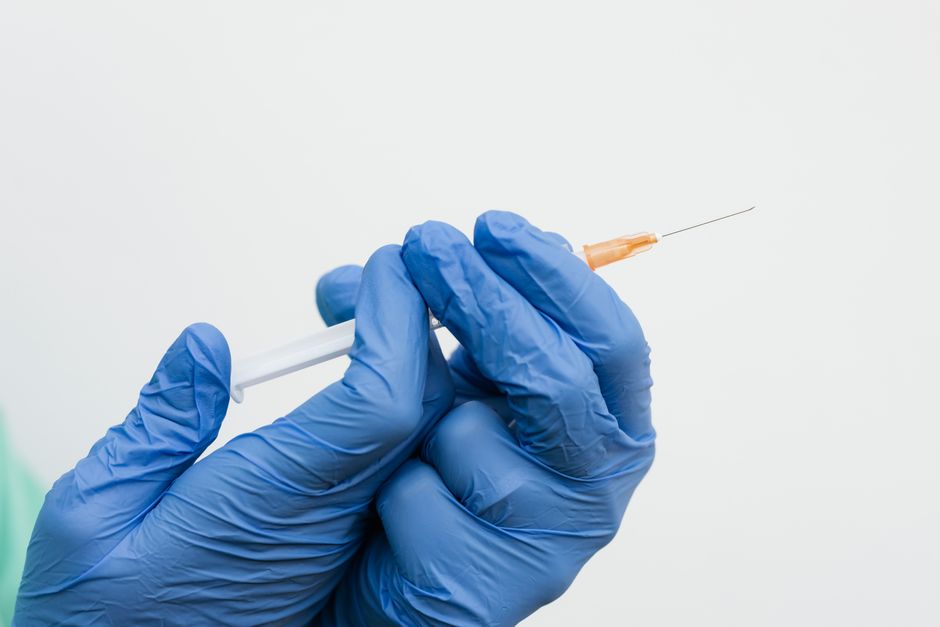
Sclerotherapy is a minimally invasive medical procedure used to treat varicose veins and spider veins. A doctor injects a liquid or foam solution directly into the affected vein, which irritates the vein lining and causes it to collapse and seal shut. Over time, the treated vein fades and blood reroutes to healthier veins nearby. The procedure has a low risk of serious complications and recovery is typically quick, though multiple sessions are often needed for best results.
What Is Sclerotherapy Procedure Risks Recovery?
Sclerotherapy is a targeted treatment for small to medium-sized varicose veins and spider veins, most often on the legs. The injected solution, called a sclerosant, damages the inner lining of the vein. The body then forms scar tissue inside the vein, closing it off. This stops blood from pooling in that vessel. The vein eventually shrinks and becomes less visible or disappears.
The procedure itself is straightforward. It is done in a doctor’s office without general anesthesia. Using a very fine needle, the doctor injects the sclerosant into the vein. Depending on how many veins are treated, the session lasts 15 to 45 minutes. You might feel a mild stinging or cramping sensation during the injections. Afterward, you are usually asked to wear compression stockings to help keep pressure on the treated veins and improve blood flow.
Recovery from sclerotherapy is generally simple. You are encouraged to walk right after the procedure to promote circulation. Heavy lifting, running, and other intense exercise should be avoided for a few days to a week or two depending on the extent of treatment. Most people return to normal activities the same day or the next day. Bruising, swelling, and red or brown lines along the treated vein are common and usually fade over a few weeks to months.
Multiple sessions are often required because each injection treats only a small section of vein. People with several problem veins typically need 2 to 6 sessions spaced several weeks apart. The treated veins usually do not come back, but new varicose or spider veins can form over time.
What Does the Sclerotherapy Procedure Involve?
Before the procedure, the doctor examines your legs and may use an ultrasound to map out the veins. This is especially important for larger or deeper veins. You undress from the waist down and lie on an exam table. The doctor cleans the skin over the veins and begins injecting.
The sclerosant comes in several types. Polidocanol and sodium tetradecyl sulfate are two common ones. The doctor may use liquid for small spider veins and foam for larger ones. Foam displaces blood better and contacts more vein wall, which can improve results for certain veins.
After each injection, the doctor may apply cotton balls and tape or a compression pad over the site. You then put on compression stockings. The doctor will tell you how long to wear them — typically a few days up to several weeks, depending on the size and location of the treated veins. Some doctors recommend keeping them on continuously for the first 48 hours, then during daytime for the next week or two.
What Are the Risks and Side Effects of Sclerotherapy?
Most side effects are mild and temporary. The most common ones include bruising, swelling, itching, and small red or brown spots along the treated vein. These usually fade on their own. Some people develop a firm, tender lump at the injection site, which may take several weeks to resolve.
More noticeable pigment changes can occur. Brown lines may appear over the treated vein and persist for several months, though they usually lighten. In rare cases, the skin above the vein may form a small ulcer or sore, which can take time to heal. This is more likely with larger veins or if the sclerosant leaks outside the vein.
Serious complications are uncommon but possible. A deep vein blood clot can form in a treated leg, especially if large veins were treated or if you have risk factors like a history of clots. The risk is estimated to be less than 1% in most studies. Allergic reactions to the sclerosant are rare but can include hives or, very rarely, anaphylaxis. A small number of people may experience headaches, vision changes, or chest tightness after foam injection — these usually resolve within minutes.
To lower risks, choose an experienced practitioner. Tell your doctor about any medications you take, especially blood thinners, and about any history of blood clots or allergies. The doctor will decide if sclerotherapy is appropriate for you based on your vein size and overall health.

Who Is a Good Candidate for Sclerotherapy?
Sclerotherapy works best for small to medium-sized varicose veins and spider veins. It is not the first choice for very large, bulging varicose veins or for veins that connect deep to surface veins. For those, other treatments such as endovenous laser ablation or surgical removal may be more effective.
You are generally a good candidate if you have visible, bothersome veins without serious underlying vein disease. Women who are pregnant or breastfeeding should usually wait until after delivery and weaning, as the safety of sclerosants in these situations is not well established. People with a known allergy to the sclerosant, active infections in the area, or a history of blood clots in the leg may not be candidates. The doctor will assess your specific situation before proceeding.
How Effective Is Sclerotherapy?
For spider veins and small varicose veins, sclerotherapy is very effective. Most people see significant fading after one to three sessions. Veins treated with sclerotherapy do not grow back, but new veins can appear over time. Maintenance treatments are sometimes needed every year or two to keep legs looking clear.
Larger veins respond less predictably. Foam sclerotherapy can treat larger veins, but the recurrence rate is higher than with laser or surgery. The evidence is clear that for large truncal varicose veins, endovenous techniques or surgery have better long-term success. Your doctor should discuss expectations based on your vein type.
What Are the Alternatives to Sclerotherapy?
Several other treatments exist for varicose veins and spider veins. The choice depends on vein size, location, and your health.
- Endovenous laser therapy (EVLT): A laser fiber is inserted into the vein and heats it from the inside, causing it to close. Used for large truncal veins. Recovery is similar to sclerotherapy.
- Endovenous radiofrequency ablation: Uses radiofrequency energy to heat and close the vein. Similar effectiveness to laser.
- Phlebectomy: Small incisions are made to physically remove the vein. This is for surface veins that are too large for sclerotherapy.
- Ligation and stripping: A surgical procedure where the vein is tied off and removed. Now less common because less invasive options work well.
- Topical laser: Laser applied to the skin surface for very small spider veins. Less effective than sclerotherapy for most people.
No single treatment works for everyone. Many people benefit from combining sclerotherapy with other methods for the best cosmetic and functional result.
How to Prepare for Sclerotherapy
Preparation is minimal. Do not apply lotion, sunscreen, or moisturizer to your legs on the day of the procedure. Avoid sun exposure on the treated area for two weeks before and after. Some doctors advise avoiding aspirin, ibuprofen, or other blood thinners for a few days beforehand — check with your doctor before stopping any medication.
Wear loose, comfortable clothing. You will need to bring compression stockings if the doctor prescribes them in advance. Eat a light meal before the procedure to avoid lightheadedness.
What to Expect During Recovery
You can go back to work or daily activities after sclerotherapy. Most doctors recommend daily walking. Avoid prolonged standing or sitting, heavy lifting, and high-impact exercise for the first few days. Also avoid hot baths, saunas, and direct sun on the treated area for several days, as heat can increase swelling.
Compression stockings are the most important part of recovery. They keep pressure on the veins, reduce bruising and swelling, and help the vein walls stay closed. Wear them exactly as directed. Some people find them uncomfortable, but they make a real difference in results.
Bruising is normal and fades over one to two weeks. The dark lines or spots that sometimes appear over treated veins may take months to disappear. If you develop severe leg pain, chest pain, sudden shortness of breath, or signs of infection (redness, heat, pus), call your doctor right away. These are rare but need prompt attention.
Frequently Asked Questions
How long does a sclerotherapy session take?
Each session lasts 15 to 45 minutes, depending on how many veins are treated.
Does sclerotherapy hurt?
You will feel a mild stinging or burning sensation during each injection that lasts a few seconds. Most people tolerate it well without pain medication.
What are the most common side effects of sclerotherapy?
Bruising, swelling, and temporary brownish lines along the treated vein are the most common. These usually fade within weeks to months.
How many sclerotherapy sessions will I need?
Most people need two to six sessions, spaced several weeks apart, to achieve the desired result.
